


"Совесть стран Южного Кавказа - гражданское общество".

"Гражданское общество это совесть стран Южного Кавказа и в течение последних двух десятилетий оно играло ключевую роль в политическом развитии Азербайджана, Армении и Грузии". Об этом заявил исполнительный директор LINKS (Диалог, анализ и исследования), Деннис Саммут, выступая на заключительном заседании 89-ого Семинара «Роуз-Рот», организованного в Ереване Парламентской Ассамблеей НАТО совместно с Национальным Собранием Армении. По словам Денниса Саммута, несмотря на общий фон у этих трех стран в настоящее время они идут по различным политическим траекториям. Тем не менее, за тем, что происходит в одной стране всегда внимательно наблюдают в других, и положительные тенденции в одной стране, могут также влиять на две другие.

Он отметил, что политические партий на Южном Кавказе остаются в большинстве случаев либо слабыми и нефункциональными, и, как правило, им не достает четкой политической платформы и они служат в качестве инструмента влияния в руках определенных индивидуумов. Во многих случаях во всех трех странах гражданское общество в решающие моменты заполнило вакуум, оставленный политиками. На политику в регионе также повлияли внешние события, в том числе различные международные соглашения, подписанные тремя странами, а также события в конфликтных регионах.

Говоря о текущей ситуации в Азербайджане, Деннис Саммут сказал, что подавление гражданского общества и независимых СМИ в Азербайджане вызывает очень серьезную озабоченность у тех, кто заботится о благополучии региона. Волна репрессий началась вскоре после визита президента Путина в Баку в сентябре 2013 года, и президентских выборов, состоявшихся через месяц после этого. Это было не случайно. С тех пор были арестованы либо изгнаны десятки активистов. Деннис Саммут обратился к правительству Азербайджана с просьбой изменить эту тенденцию и сказал, что, предстоящие парламентские выборы в Азербайджане, намеченные на осень, окончательно дадут понять о намерениях правительства.

В противопоставление этому, Деннис Саммут рассказал о мирной смене правительства через выборы, которая произошла в Грузии в октябре 2012 года, что является знаковым событием огромной важности для всего региона. Это было к чести всех грузинских политических сил, но больше всего к чести грузинскому гражданскому обществу, которое заложило четкие красные линии, которые грузинские политические силы не посмели переступить.

Деннис Саммут сказал, что тот факт, что в текущем парламенте Армении представлены все основные политические силы является положительным признаком. Гражданское общество Армении в настоящее время играет все большую роль в продвижении политического процесса в правильном направлении, несмотря на ограничения. У Армении также будет шанс доказать о своих намерениях на выборах в ближайшие годы.

Деннис Саммут призвал Европейский Союз действовать быстро для заключения своих договорных отношений с тремя странами Южного Кавказа. В случае с Грузией Соглашение об ассоциации было подписано в прошлом году, что дает отличную основу для дальнейшего сотрудничества. Он призвал шесть государств-членов ЕС, которые еще не ратифицировали Соглашение (Францию, Испанию, Грецию, Австрию, Бельгию и Нидерланды) сделать это быстрее, чтобы в силу могли вступить полностью все Положения Соглашения об ассоциации. Что касается Армении и Азербайджана, то с ними обсуждаются новые соглашения. Хоть они и не будут полноценными подобно Соглашению об ассоциации, они также не должны быть чисто техническими. Уважение прав человека и человеческого достоинства должны быть отражены в этих соглашениях, и да, это выбор, который Армения и Азербайджан должны сделать, независимо от того, называют они его цивилизационным выбором или нет.

Деннис Саммут обратился к европейским политикам с предложением больше взаимодействовать с политическими партиями в Армении, Азербайджане и Грузии путем наставничества и обмена опытом. Существует также необходимость переосмыслить взаимодействие с местным гражданским обществом для того, чтобы убедиться, что отношения основаны на текущих реалиях.

Он также призвал к большему участию ЕС в урегулировании конфликтов в регионе. Ссылаясь на карабахский конфликт, Деннис Саммут сообщил, что ЕС поддерживает работу Минской группы, и, что в самом деле Минская группа и ее сопредседатели делают очень важную работу. Но не следует рассматривать Минскую группу в качестве священной коровы. Её деятельность должна постоянно находится под тщательным изучением, они должны быть открыты для мнений и предложений, и, если необходимо толкать их локтем время от времени, чтобы удостовериться, что они надлежащим образом сконцентрированы.

В заключении Деннис Саммут сказал, что три южно-кавказские страны должны двигаться дальше по пути политических реформ для улучшения их политических систем, чтобы они стали более содержательными. На столе в Армении и Грузии конституционные изменения, и важно, чтобы по этим вопросам была возможность широкой общественной дискуссии. Аналогичное также актуально в Азербайджане. Эти инициативы должны произрастать внутри страны - внешние силы могут только оказать поддержку.

По словам Денниса Саммута, несмотря на все проблемы, стоящие перед регионом, он сохраняет оптимизм - растет новое поколение, у которого гораздо четкое видение будущего и готовы ставить под вопрос все факты прошлого. В их руках будущее региона.

Обсуждения проходили под председательством Тевана Погосяна, члена Парламента Армении. В ходе сессии также выступил Сергей Минасян, заместитель директора Института Кавказа. Вслед за выступлениями были заданы вопросы от членов текущего парламента.

источник: commonspace.eu

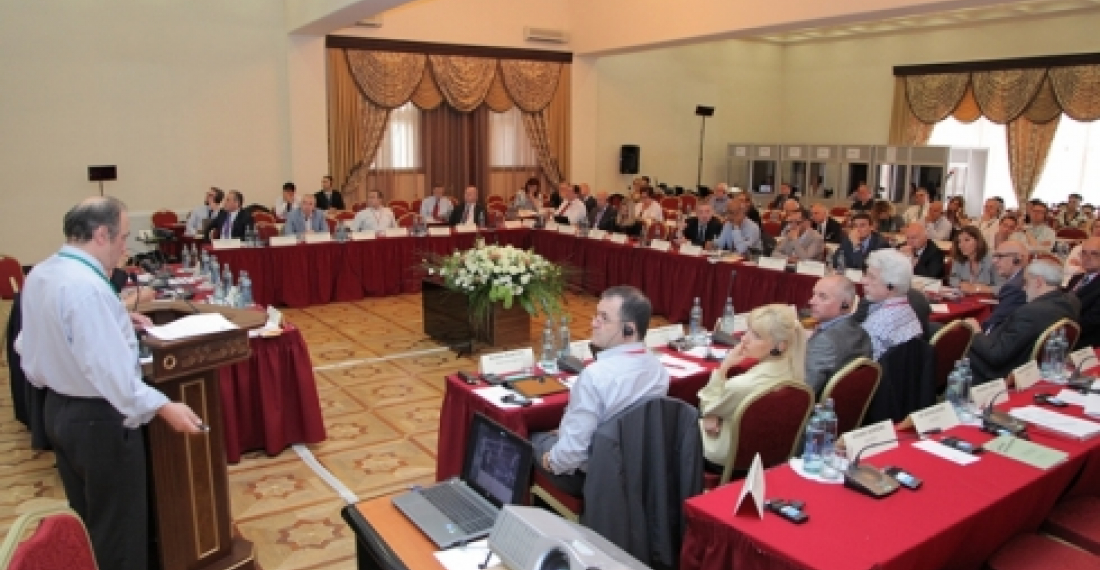
фото: Заключительный день ПА НАТО в Ереване, суббота, 20 июня 2015. Обсуждения политических событий и гражданского общества в регионе. (фото любезно предоставлено Национальным Собранием Армении)

Related articles

Editor's choice
News
COP 17 in Armenia

COP 17 in Armenia

Armenia is currently hosting the COP17 conference of the Convention on Biological Diversity, which began earlier this week (19 October) and will run until 30 October, bringing around 15,000 participants from 196 different countries to Yerevan. At a leaders' summit held as part of COP17, Prime Minister Nikol Pashinyan expressed realistic ambitions: “We are halfway towards achieving these goals (Kunming-Montreal Global Biodiversity Framework), and we must honestly acknowledge that we are not yet moving in the right direction. Our task now is not to make new promises, but to fulfil the commitments we have already made.” Pashinyan pointed towards Armenia's own records, noting that the whitefish stock in Lake Sevan has increased substantially in the last ten years. Iranian President Masoud Pezeshkian and Georgian Prime Minister Irakli Kobakhidze also addressed the summit, with Turkiye sending its agriculture minister. However, there were no reports of Azerbaijani representatives attending. The conference has given Yerevan a valuable international platform, yet the absence of Azerbaijan is likely to be read as a sign that the peace process in the South Caucasus has not yet been translated into wider regional cooperation. The leaders' summit was opened by Armenian Prime Minister Nikol Pashinyan, who stressed that hosting the conference was a great honour for Armenia. He expressed hope that it would 'be productive and contribute to protecting our planet's biodiversity'. 'We – the citizens of Armenia, the government, state authorities and local governments – owe a debt to our nature,' the prime minister said. He noted that the international community had already developed the concept of 'living in harmony with nature’ and adopted the Kunming-Montreal Global Biodiversity Framework in 2022, setting out goals and specific targets to be achieved by 2030. 'We are halfway towards achieving these goals, and we must honestly acknowledge that we are not yet moving in the right direction. Our task now is not to make new promises, but to fulfil the commitments we have already made,' Nikol Pashinyan said. The COP17 conference is expected to adopt a declaration at leaders' level. More than 30 documents are scheduled for discussion. If approved, the commitments set out in them will become legally binding on countries that are parties to the Convention on Biological Diversity.”
Editor's choice
News
Landmines present to the European Union both a contradiction and a dilemma

Landmines present to the European Union both a contradiction and a dilemma

Finland’s decision to buy one million landmines creates a serious contradiction in the policy of the European Union, and is symbolic of a bigger dilemma facing European countries as they get used to the need to acquire “hard” power to face an increasing threat from Russia. Finland is seeking to acquire one million anti-personnel mines at a cost of 100 million euros. Finland, together with Poland, Latvia, Lithuania and Estonia last year abandoned the Ottawa agreement, the international framework that bans the use of anti-personnel mines, which the EU had been instrumental in establishing and supporting. All five countries cite the threat from Moscow as the reason. Colonel Riku Mikkonen of the Army Command told Finland’s national news agency STT that officials are now gathering information from suppliers regarding the deal, the AFP news agency reports. Helsinki would like domestic manufacturers to supply the mines, with contracts signed by the end of 2027 and production up and running by 2028. “It would be useful in many ways if Finnish companies produced the anti-personnel mines in Finland,” Mikkonen said. About half a dozen Finnish firms qualify, he told STT. “However, at this stage, buying the mines from abroad is not totally ruled out,” he added. LANDMINES PROVIDE THE EU WITH BOTH A CONTRADICTION, AND A DILEMMA Eliminating landmine contamination worldwide is one of the EU’s main soft power postures, and it basks in its record as the biggest funder of anti-landmine action in the world. But the fact that 5 of its 27 member states  have now left the Ottawa Treaty dents the EU moral high ground. It is a contradiction that is too big and important to be ignored. It also presents the European Union with a deeper dilemma. The threat from Russia is changing what the EU has stood for decades, namely a force for good able to mobilise its considerable soft power for the greater good of humanity. How the Union will implement this change will define its future. In the meantime landmines have not become any less lethal, benign, or unimportant. They remain in many parts of the world a major threat to life, an impediment to prosperity, and a potential trigger to further conflict. The 22 EU members states that still adhere to the Ottawa treaty must regroup, and be more assertive in their quest against anti-personnel land mines. All the reasons why they supported the Ottawa treaty in the first place still exist. The message must be clear: NO TO LANDMINES!

Popular

Editor's choice
Interview
Thursday Interview: Murad Muradov

Thursday Interview: Murad Muradov

Today, commonspace.eu starts a new regular weekly series. THURSDAY INTERVIEW, conducted by Lauri Nikulainen, will host  persons who are thinkers, opinion shapers, and implementors in their countries and spheres. We start the series with an interview with Murad Muradov, a leading person in Azerbaijan's think tank community. He is also the first co-chair of the Action Committee for a new Armenian-Azerbaijani Dialogue. Last September he made history by being the first Azerbaijani civil society activist to visit Armenia after the 44 day war, and the start of the peace process. Speaking about this visit Murad Muradov said: "My experience was largely positive. My negative expectations luckily didn’t play out. The discussions were respectful, the panel format bringing together experts from Armenia, Azerbaijan, and Turkey was particularly valuable during the NATO Rose-Roth Seminar in Yerevan, and media coverage, while varied in tone, remained largely constructive. Some media outlets though attempted to represent me as more of a government mouthpiece than an independent expert, which was totally misleading.  Overall, I see these initiatives as important steps in rebuilding trust and normalising professional engagement. The fact that soon a larger Azerbaijani civil society visits to Armenia followed, reinforces the sense that this process is moving in the right direction." (click the image to read the interview in full)

