


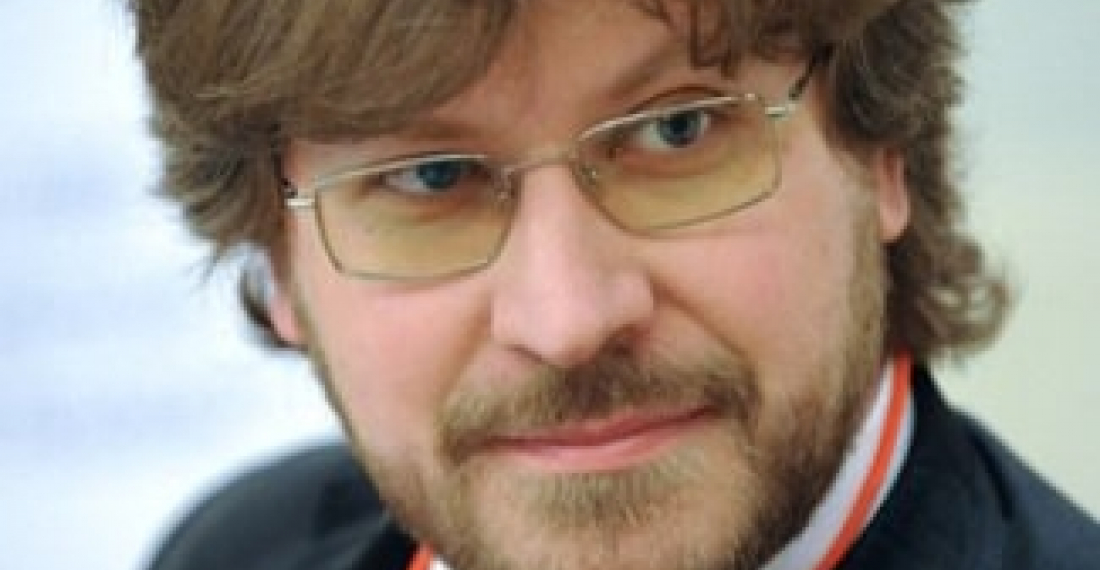
Российский политолог:

Предпринятая Россией попытка единоличного модераторства в карабахском урегулировании, несомненно, является способом повышения своего влияния в регионе. При этом, Россия сейчас действительно искренне стремится что-то сделать, чтобы хотя бы вывести карабахский процесс из тупика, куда его загнали сами стороны, причем не без поддержки извне. Подобное мнение выразил в интервью АрмИнфо главный редактор журнала "Россия в глобальной политике", известный политолог Федор Лукьянов.

"В случае отношений России с Арменией, все прозрачно, так как Россия имеет перед республикой институционально закрепленные обязательства по обеспечению ее безопасности. Эти обязательства Россия будет неуклонно выполнять, если, не дай Бог, что-нибудь случится и в этом назреет необходимость. Азербайджан в силу объективных складывающихся факторов, прежде всего, на энергетическом рынке, становится все более важной страной как в регионе, так и для России, от которой многое зависит", - заметил он.

Поэтому для Москвы, на взгляд политолога, реализация сценария военной эскалации карабахского конфликта воистину является ужасной перспективой. Политолог отметил, что может быть кто-то и имеет какие-то другие подсчеты, однако, исходя из вышеуказанного геополитического расклада, становится понятно, что в случае новой войны, положение России будет «хуже некуда».

"Россия имеет перед Арменией обязательства, которые нужно выполнять и при этом есть понимание важности второй стороны - Азербайджана. В общем, я не думаю, что существуют какие-то эксклюзивные возможности для того, чтобы радикально воздействовать на ситуацию вокруг карабахского урегулирования. Есть лишь возможность военного вмешательства России в конфликт, в случае повторения его военной фазы, что, думаю, понятно всем. Но других рычагов у России и, в первую очередь, дипломатических для того, чтобы быстро остановить разгорающийся конфликт, я пока не вижу", - подытожил политолог.


 

Related articles

Editor's choice
News
The British prime minister says Europe must "stand on its own two feet" when it comes to defence

The British prime minister says Europe must "stand on its own two feet" when it comes to defence

The UK will deploy a carrier strike group, led by the aircraft carrier HMS Prince of Wales to the Arctic and the High North as part of efforts to bolster security against Russian threats. British prime minister, Sir Keir Starmer announced the deployment in a speech on Saturday (14 February) at the Munich Security Conference. Europe must be ready to fight to protect its people, values, and way of life,  Sir Keir told the Conference. Starmer also called for deeper links and cooperation, including economic ties, between the UK and EU. The PM stressed the continent must "stand on its own two feet" when it comes to defence commitments. "We must build our hard power, because that is the currency of the age," he told the conference. (Click image to read the full story).

Popular

Editor's choice
Interview
Thursday Interview: Murad Muradov

Thursday Interview: Murad Muradov

Today, commonspace.eu starts a new regular weekly series. THURSDAY INTERVIEW, conducted by Lauri Nikulainen, will host  persons who are thinkers, opinion shapers, and implementors in their countries and spheres. We start the series with an interview with Murad Muradov, a leading person in Azerbaijan's think tank community. He is also the first co-chair of the Action Committee for a new Armenian-Azerbaijani Dialogue. Last September he made history by being the first Azerbaijani civil society activist to visit Armenia after the 44 day war, and the start of the peace process. Speaking about this visit Murad Muradov said: "My experience was largely positive. My negative expectations luckily didn’t play out. The discussions were respectful, the panel format bringing together experts from Armenia, Azerbaijan, and Turkey was particularly valuable during the NATO Rose-Roth Seminar in Yerevan, and media coverage, while varied in tone, remained largely constructive. Some media outlets though attempted to represent me as more of a government mouthpiece than an independent expert, which was totally misleading.  Overall, I see these initiatives as important steps in rebuilding trust and normalising professional engagement. The fact that soon a larger Azerbaijani civil society visits to Armenia followed, reinforces the sense that this process is moving in the right direction." (click the image to read the interview in full)

