Премьер-министр Турции уходит в отставку

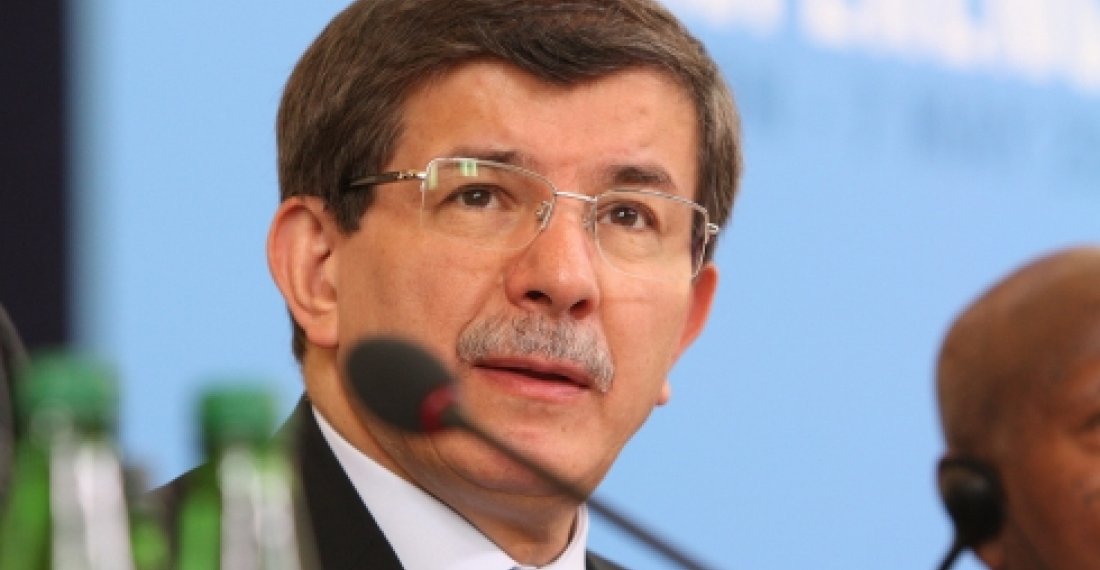
Премьер-министр Турции, Ахмет Давутоглу, в конце этого месяца уйдет в отставку. Об этом стало известно после сообщений о разногласиях с президентом Турции Реджепом Эрдоганом.

По словам Давутоглу, он решил не выдвигать свою кандидатуру на очередных выборах главы партии, которые пройдут на ее съезде 22 мая.

Он выразил свою неизменную поддержку президенту, но, по мнению многих аналитиков, отношения между ними за последние месяцы ухудшились, что и вынудило его пойти на этот шаг.

Эрдоган пытается централизовать власть в Турции, двигаясь в направлении наделения президента большими полномочиями, что подвергается критике со стороны западных правительств и правозащитных организаций. Давутоглу дал понять, что его беспокоит такое развитие.

Как сообщают СМИ, в среду между ними состоялась двухчасовая встреча, после чего последовало заявление Давутоглу.

После неубедительных выборов в июне прошлого года, в ноябре были проведены новые выборы по результатам которых ПСР одержала победу на удивление с большим отрывом. С тех пор Эрдоган стремился консолидировать и централизовать власть.

Турция в последнее время испытывает экономические трудности и изо всех сил пытается справиться с наплывом миллионов беженцев, спасающихся от войны в Сирии.

Все стабилизируется, "когда новый премьер-министр, больше разделяющий взгляды с президентом Эрдоганом, вступит в должность", заявил турецкому телевидению в четверг помощник президента Турции Джемил Эртем.

В своей речи Давутоглу заявил, что не испытывает никакой неприязни к Эрдогану. "Я никого не упрекаю, не испытываю гнева или обиду на кого-либо. Никто такого от меня никогда не слышал и не услышит, ни единого слова из моих уст, с моего языка против нашего президента".

источник: commonspace.eu по материалам агентств

фото: Ахмет Давутоглу
 

Related articles

Editor's choice
News
Indian Foreign Minister meets Aliyev in Baku

Indian Foreign Minister meets Aliyev in Baku

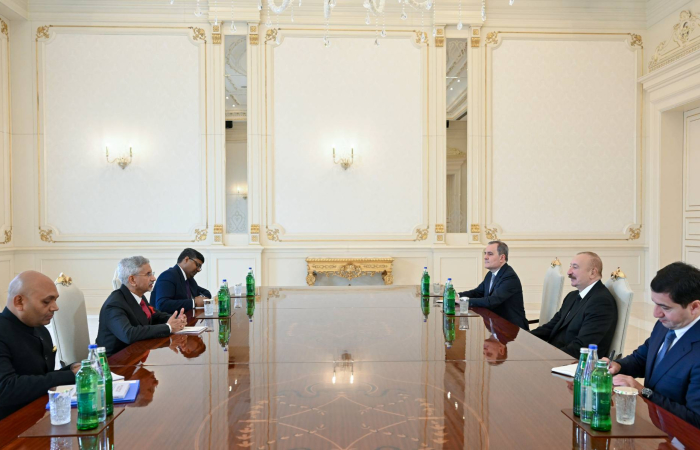
On October 23, the president of Azerbaijan Ilham Aliyev met in Baku with Subrahmanyam Jaishankar, Minister of External Affairs of India. This was the highest level visit by an Indian official to Azerbaijan in a long time. According to the website of the Azerbaijani president, Aliyev fondly recalled his meeting with Indian Prime Minister Narendra Modi in Bishkek and the exchange of views during that meeting. President Ilham Aliyev highly appreciated the visit of India’s Minister of External Affairs to Azerbaijan on the instructions of Prime Minister Narendra Modi, stressing its importance for discussing the current state and prospects of bilateral relations. During the meeting, the sides held an extensive exchange of views on the current state of relations between Azerbaijan and India, highlighting ample opportunities to develop cooperation in areas of mutual interest. The sides noted that Azerbaijan and India, as members of the Global South, share similar positions on a number of issues on the international agenda, including matters of concern to countries of the Global South. In this regard, they discussed prospects for bilateral cooperation in political, trade and economic, high-tech, cultural, humanitarian and other fields. The conversation also touched upon the importance of cooperation within international organizations. The sides emphasized the need to intensify political contacts and organize reciprocal visits at various levels, including exchanges involving economic and business delegations, to further advance bilateral relations.

Popular

Editor's choice
Interview
Thursday Interview: Murad Muradov

Thursday Interview: Murad Muradov

Today, commonspace.eu starts a new regular weekly series. THURSDAY INTERVIEW, conducted by Lauri Nikulainen, will host  persons who are thinkers, opinion shapers, and implementors in their countries and spheres. We start the series with an interview with Murad Muradov, a leading person in Azerbaijan's think tank community. He is also the first co-chair of the Action Committee for a new Armenian-Azerbaijani Dialogue. Last September he made history by being the first Azerbaijani civil society activist to visit Armenia after the 44 day war, and the start of the peace process. Speaking about this visit Murad Muradov said: "My experience was largely positive. My negative expectations luckily didn’t play out. The discussions were respectful, the panel format bringing together experts from Armenia, Azerbaijan, and Turkey was particularly valuable during the NATO Rose-Roth Seminar in Yerevan, and media coverage, while varied in tone, remained largely constructive. Some media outlets though attempted to represent me as more of a government mouthpiece than an independent expert, which was totally misleading.  Overall, I see these initiatives as important steps in rebuilding trust and normalising professional engagement. The fact that soon a larger Azerbaijani civil society visits to Armenia followed, reinforces the sense that this process is moving in the right direction." (click the image to read the interview in full)