


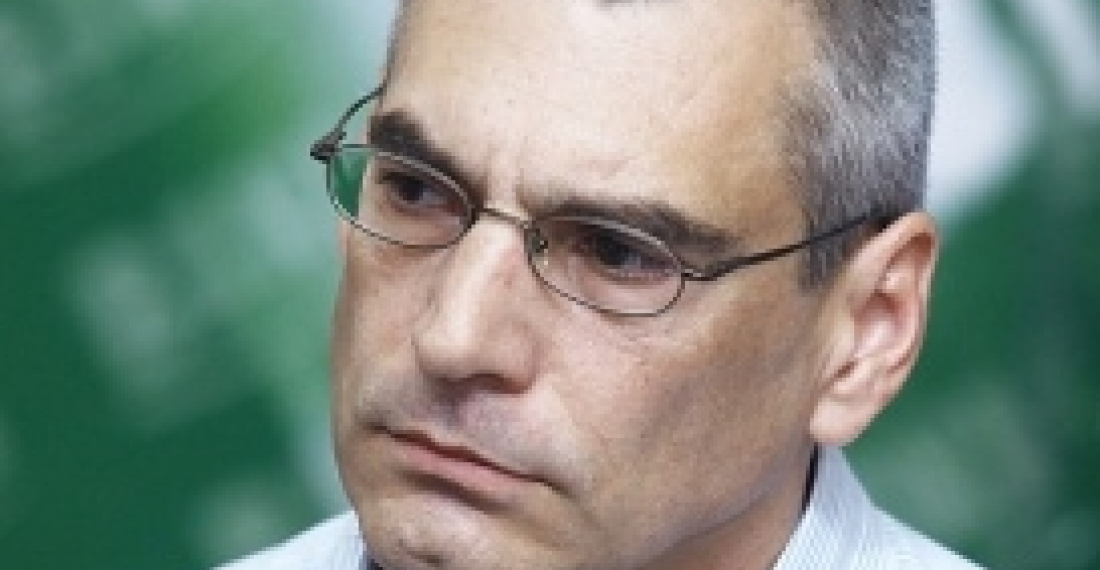
Политолог:

Власти Турции испытывают давление со стороны международного сообщества, которое оказывается на нее не только по вопросу признания Геноцида армян, но и открытия границы, налаживания дипломатических отношений с Арменией. Об этом сегодня в ходе пресс-конференции заявил руководитель Центра региональных исследований, политолог Ричард Гирагосян.

По его словам, в результате этого, Турция может вернуться к процессу нормализации отношений с Арменией еще раньше, чем ожидалось. Политолог отметил, что в качестве причин для нормализации отношений Турции с Арменией может выступать стремление Турции ослабить процесс принятие соответствующих резолюций по Геноциду армян в мире, а также тот факт, что турецкая внешнеполитическая повестка на данный момент перегружена. “У Анкары есть проблемы с Сирией, Ираном, Ливией, Израилем. Это долгосрочные проблемы, где Турция не видит возможности достижения успехов. Единственным местом, где Турция считает, что может с легкостью достичь успехов – это армяно-турецкий процесс, и Турция может отвернуться от Запада, обратиться на Восток для решения своих проблем”, - отметил Гирагосян.

Политолог также подчеркнул, что терпение Армении не безгранично. Кроме того, политика Армении «без предусловий» может измениться, и Ереван может стать более требовательным к Турции, ввиду того, что на данный момент все международное ожидания возложены на Анкару. «Тем не менее, если Турция вернется к армяно-турецкой дипломатии лишь для того, чтобы ослабить международное движение по признанию Геноцида армян - это нанесет ей больший вред. Это спровоцирует еще большую агрессию международного сообщества”, - отметил Гирагосян. Он добавил, что международные посреднические усилия в вопросе нормализации отношений могут быть возобновлены, но на этот раз Турция должна будет доказать свою искренность.

Кроме того эксперт отметил необходимость того, армянская сторона работала в направлении укрепления процесса признания Геноцида армян в самой Турции с тем, чтобы те круги, которые благосклонны в данном вопросе в Турции преисполнились большей смелостью для достижения этой цели.

 

Related articles

Editor's choice
News
The British prime minister says Europe must "stand on its own two feet" when it comes to defence

The British prime minister says Europe must "stand on its own two feet" when it comes to defence

The UK will deploy a carrier strike group, led by the aircraft carrier HMS Prince of Wales to the Arctic and the High North as part of efforts to bolster security against Russian threats. British prime minister, Sir Keir Starmer announced the deployment in a speech on Saturday (14 February) at the Munich Security Conference. Europe must be ready to fight to protect its people, values, and way of life,  Sir Keir told the Conference. Starmer also called for deeper links and cooperation, including economic ties, between the UK and EU. The PM stressed the continent must "stand on its own two feet" when it comes to defence commitments. "We must build our hard power, because that is the currency of the age," he told the conference. (Click image to read the full story).

Popular

Editor's choice
Interview
Thursday Interview: Murad Muradov

Thursday Interview: Murad Muradov

Today, commonspace.eu starts a new regular weekly series. THURSDAY INTERVIEW, conducted by Lauri Nikulainen, will host  persons who are thinkers, opinion shapers, and implementors in their countries and spheres. We start the series with an interview with Murad Muradov, a leading person in Azerbaijan's think tank community. He is also the first co-chair of the Action Committee for a new Armenian-Azerbaijani Dialogue. Last September he made history by being the first Azerbaijani civil society activist to visit Armenia after the 44 day war, and the start of the peace process. Speaking about this visit Murad Muradov said: "My experience was largely positive. My negative expectations luckily didn’t play out. The discussions were respectful, the panel format bringing together experts from Armenia, Azerbaijan, and Turkey was particularly valuable during the NATO Rose-Roth Seminar in Yerevan, and media coverage, while varied in tone, remained largely constructive. Some media outlets though attempted to represent me as more of a government mouthpiece than an independent expert, which was totally misleading.  Overall, I see these initiatives as important steps in rebuilding trust and normalising professional engagement. The fact that soon a larger Azerbaijani civil society visits to Armenia followed, reinforces the sense that this process is moving in the right direction." (click the image to read the interview in full)

