Очередные жертвы в зоне карабахского конфликта. Это когда-нибудь прекратится?
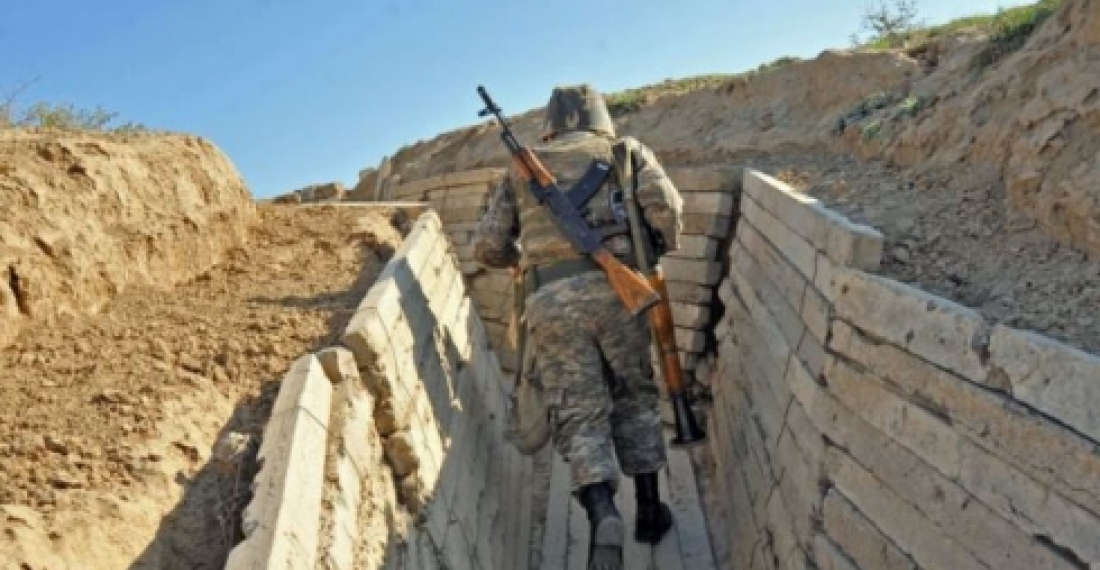
Очередные инциденты со смертельным исходом произошли на этой неделе на линии соприкосновения, разделяющей армянские и азербайджанские силы в зоне карабахского конфликта. В понедельник, старший лейтенант ВС Армении Арутюн Сафарян умер после подрыва на мине. Он стал  четвертой жертвой со стороны Армении за последние несколько дней. Три других солдата ВС Армении были убиты в последние дни марта в результате открытия огня с противоположной стороны.

Вчера Министерство обороны Азербайджана сообщило, что один из солдат ВС Азербайджана был убит огнем армянского снайпера на линии соприкосновения в Тертерском районе. Погибший, Акиф Айдын оглу Бахшиев, был призван на воинскую службу из Исмаиллинского района страны. Азербайджанские военные продолжали сообщать о нарушениях прекращения огня в течение ночи со вторника на среду (1-2 апреля).

Все больше беспокойства вызывает и в Армении и в Азербайджане гибель молодых людей, проходящих службу в вооруженных силах на линии соприкосновения в зоне Карабахского конфликта. Несмотря на то, что соглашение о прекращении огня номинально существует число жертв в последние годы растет. Оба правительства пытаются укрепить моральный дух в вооруженных силах, награждая посмертно медалями погибших солдат, организовывая похороны военных и предоставляя компенсацию семьям погибших. Но такое количество гибелей молодых людей является тревожным фактором и влияет на настроение общества, особенно в районах, близких к зоне конфликта. Большинство убитых являются призывниками из бедных семей, у которых нет возможностей высказать свое мнение. Но широкие слои общества в настоящее время начали интересоваться и задаваться вопросом: Это когда-нибудь прекратится?

источник: commonspace.eu по материалам агентств.

Related articles

Editor's choice
News
The British prime minister says Europe must "stand on its own two feet" when it comes to defence

The British prime minister says Europe must "stand on its own two feet" when it comes to defence

The UK will deploy a carrier strike group, led by the aircraft carrier HMS Prince of Wales to the Arctic and the High North as part of efforts to bolster security against Russian threats. British prime minister, Sir Keir Starmer announced the deployment in a speech on Saturday (14 February) at the Munich Security Conference. Europe must be ready to fight to protect its people, values, and way of life,  Sir Keir told the Conference. Starmer also called for deeper links and cooperation, including economic ties, between the UK and EU. The PM stressed the continent must "stand on its own two feet" when it comes to defence commitments. "We must build our hard power, because that is the currency of the age," he told the conference. (Click image to read the full story).

Popular

Editor's choice
Interview
Thursday Interview: Murad Muradov

Thursday Interview: Murad Muradov

Today, commonspace.eu starts a new regular weekly series. THURSDAY INTERVIEW, conducted by Lauri Nikulainen, will host  persons who are thinkers, opinion shapers, and implementors in their countries and spheres. We start the series with an interview with Murad Muradov, a leading person in Azerbaijan's think tank community. He is also the first co-chair of the Action Committee for a new Armenian-Azerbaijani Dialogue. Last September he made history by being the first Azerbaijani civil society activist to visit Armenia after the 44 day war, and the start of the peace process. Speaking about this visit Murad Muradov said: "My experience was largely positive. My negative expectations luckily didn’t play out. The discussions were respectful, the panel format bringing together experts from Armenia, Azerbaijan, and Turkey was particularly valuable during the NATO Rose-Roth Seminar in Yerevan, and media coverage, while varied in tone, remained largely constructive. Some media outlets though attempted to represent me as more of a government mouthpiece than an independent expert, which was totally misleading.  Overall, I see these initiatives as important steps in rebuilding trust and normalising professional engagement. The fact that soon a larger Azerbaijani civil society visits to Armenia followed, reinforces the sense that this process is moving in the right direction." (click the image to read the interview in full)