


Южная Осетия пытается присоединиться к конвенции Шанхайского договора

Южная Осетия объявила в четверг, что будет стремиться присоединиться к Конвенции Шанхайской организации сотрудничества по борьбе с экстремизмом. Де-факто президент Южной Осетии Анатолий Бибилов подписал соответствующие документы.

Ранее, 20 марта, парламент самопровозглашенной республики ратифицировал документ «О присоединении Республики Южная Осетия к Конвенции Шанхайской организации по борьбе с экстремизмом».

Конвенция Шанхайской организации сотрудничества по борьбе с экстремизмом была подписана в Астане 9 июня 2017 года. В соответствии со статьей 30 Конвенции ШОС о противодействии экстремизму к ней могут присоединиться государства, не являющиеся членами ШОС.

В Конвенции закреплены основополагающие положения об опасности экстремизма как питательной среды для терроризма, о ведущей роли государств и их компетентных органов в борьбе с экстремизмом и терроризмом, о необходимости соблюдения международного права и Устава ООН, прежде всего уважение принципа суверенитета и равенства государств, невмешательства в их внутренние дела, осуждение идеологии и практики экстремизма во всех его формах и проявлениях, недопустимость публичных призывов и подстрекательств к экстремистским действиям.

Политический редактор Commonspace.eu считаетчто «хотя присоединение к Конвенции может рассматриваться как безвредный, даже благожелательный шаг, международное сообщество будет рассматривать этот шаг как попытку Цхинвали расширить свое дипломатическое представительство, а для Тбилиси, где правительство Грузии пытается пересечь любое участие властей самопровозглашенной республики в международной дипломатической деятельности, такой шаг будет нежелательным.

Шанхайская организация сотрудничества включает восемь государств-членов, а именно: Китай, Казахстан, Кыргызстан, Россия, Таджикистан и Узбекистан, которые являются членами-основателями, а также Индию и Пакистан. Из них только Россия признала независимость Южной Осетии и поддерживает с ней дипломатические отношения. Кроме того, у многих других стран есть свои проблемы с сепаратистскими образованиями, и они вряд ли будут готовы открыть ящик Пандоры по этому вопросу. Несмотря на это, Цхинвал не пошел бы на это, если бы не получил какой-то зеленый свет от Москвы. Таким образом, возникает вопрос: что за московская игра в этом и почему сейчас? Этот шаг также идет вразрез с тем, что многие считают неприемлемым поведением де-факто властей во время продолжающейся пандемии коронавируса, включая продолжающийся процесс пограничных действий, а также распространение поддельных новостей и дезинформации в цхинвальских СМИ.

Большая часть мирового сообщества рассматривает Южную Осетию как часть Грузии, и правительство Грузии считает Южную Осетию оккупированной Россией территорией, а Россия, Сирия, Никарагу, Венесуэла и несколько других стран признали независимость Южной Осетии после войны между Россией и Грузией в 2008 году".

источник: commonspace.eu по материалам агентств

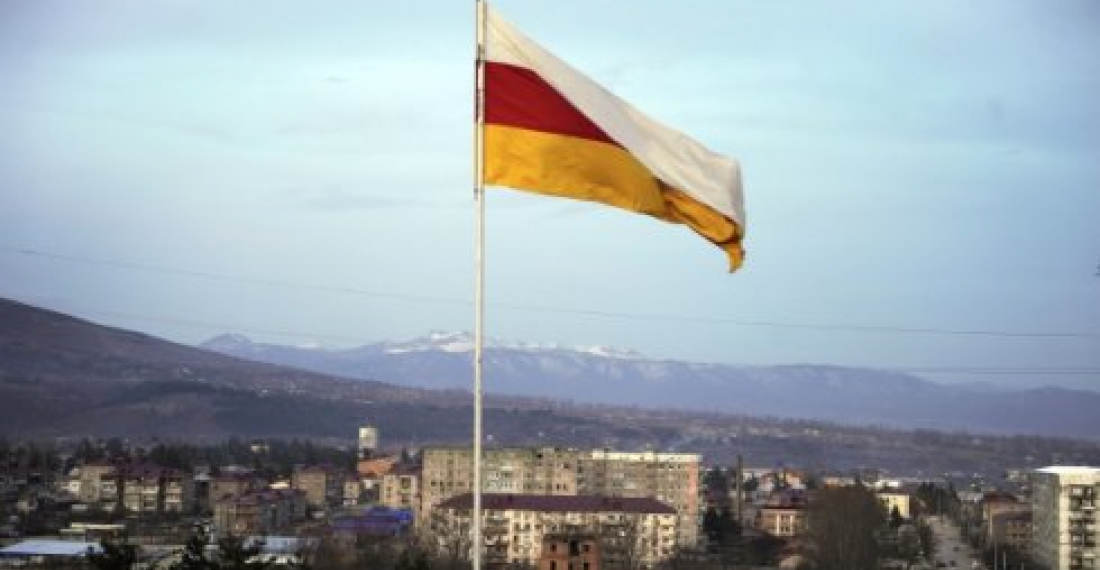
фото: Над Цхинвали развевается флаг Южной Осетии (фото из архива)

 

Related articles

Editor's choice
News
Key European countries back Denmark in the face of Trump's continuing insistence on taking over Greenland

Key European countries back Denmark in the face of Trump's continuing insistence on taking over Greenland

 Six major European countries have declared their support to Denmark following renewed insistence by the US that it must have control over Greenland. "Greenland belongs to its people, and only Denmark and Greenland can decide on matters concerning their relations," said the leaders of the UK, France, Germany, Italy, Poland, and Spain, in a joint statement, issued on Tuesday (6 January), together with Denmark. On Sunday, Donald Trump said the US "needed" Greenland - a semi-autonomous region of fellow Nato member Denmark - for security reasons. He has refused to rule out the use of force to take control of the territory, and Danish Prime Minister Mette Frederiksen warned on Monday that an attack by the US would spell the end of Nato. The issue of Greenland's future resurfaced in the wake of the US military intervention in Venezuela, during which elite troops went in to seize the country's President Nicolás Maduro and take him to face drugs and weapons charges in New York. Following the raid, Trump said the US would "run" Venezuela for an unspecified period of time. He also said the US was returning to an 1823 policy of US supremacy in its sphere of influence in the Western hemisphere - and he warned a number of countries the US could turn its attention to them. The US military raid in Venezuela has reignited fears that the US may consider using force to secure control of Greenland. A day after the raid, Katie Miller - the wife of one of Trump's senior aides - posted on social media a map of Greenland in the colours of the American flag, alongside the word "SOON". On Monday, her husband Stephen Miller said it was "the formal position of the US government that Greenland should be part of the US". In an interview with CNN, he also said the US "is the power of Nato. For the US to secure the Arctic region, to protect and defend Nato and Nato interests, obviously Greenland should be part of the US." Asked repeatedly whether the US would rule out using force to annex it, Miller responded: "Nobody's going to fight the US over the future of Greenland." Stressing they were as keen as the US in Arctic security, the seven European signatories of Tuesday's joint statement said this must be achieved by Nato allies, including the US "collectively" - whilst "upholding the principles of the UN Charter, including sovereignty, territorial integrity and the inviolability of borders". Greenland's Prime Minister Jens-Frederik Nielsen welcomed the statement and called for "respectful dialogue". "The dialogue must take place with respect for the fact that Greenland's status is rooted in international law and the principle of territorial integrity," Nielsen said. Trump has claimed that making Greenland part of the US would serve American security interests due to its strategic location and its abundance of minerals critical to high-tech sectors. Greenland, which has a population of 57,000 people, has had extensive self-government since 1979, though defence and foreign policy remain in Danish hands. While most Greenlanders favour eventual independence from Denmark, opinion polls show overwhelming opposition to becoming part of the US.

Popular


