В зоне карабахского конфликта продолжаются боевые действия

Тяжелые бои между армянскими и азербайджанскими войсками продолжались всю ночь и рано утром в среду (7 октября). Текущие боевые действия в зоне нагорно-карабахского конфликта и других районах вступили в свой одиннадцатый день.

Сильнейшие бои по-прежнему ведутся на южном участке линии соприкосновения в районе города Джебраил, который Азербайджан, по утверждениям Азербайджана, отбил у армянской стороны. Армянская сторона заявляет, что Азербайджан концентрирует войска на берегу реки Аракс, которая обеспечивает естественную границу с Ираном.

Между тем обе стороны обвиняют друг друга в использовании кассетных бомб в жилых районах. Использование кассетных бомб запрещено «Конвенцией по кассетным боеприпасам (CCM)», международным договором, который запрещает использование, передачу и накопление кассетных бомб, типа оружия взрывного действия, которое разбрасывает суббоеприпасы («бомбы») над площадью поражения. Конвенция была принята 30 мая 2008 г. в Дублине [6] и открыта для подписания 3 декабря 2008 г. в Осло. Она вступила в силу 1 августа 2010 года, через шесть месяцев после того, как ее ратифицировали 30 государств [2]. По состоянию на сентябрь 2020 года 109 государств подписали договор, а 110 ратифицировали его или присоединились к нему. Однако ни Армения, ни Азербайджан не являются участниками конвенции.

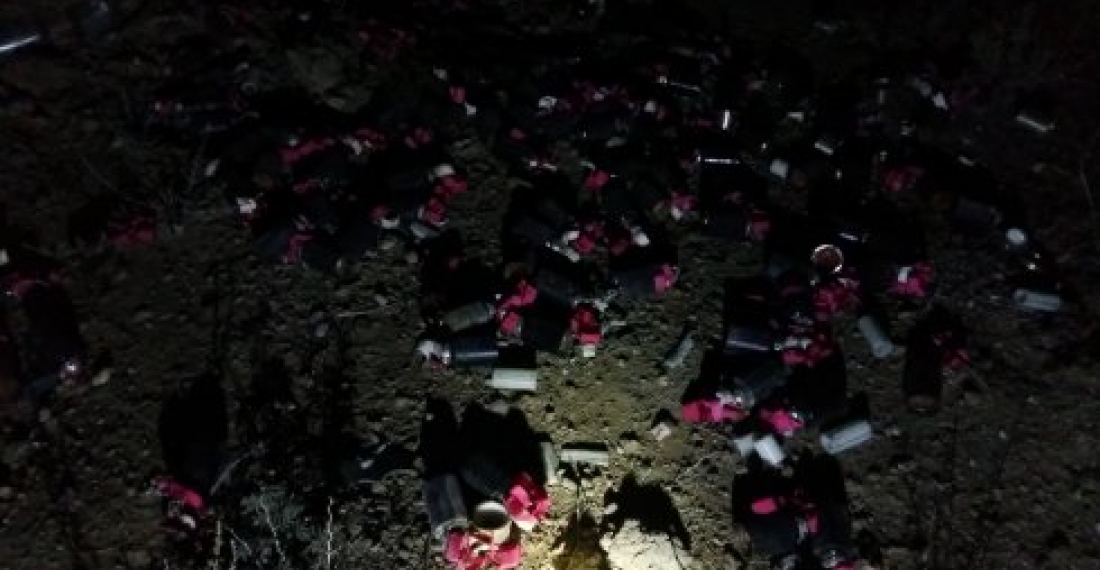
Азербайджан заявляет, что Армения выпустила кассетную бомбу в сторону трубопровода Баку-Тбилиси-Джейхан, согласно твиту помощника президента Хикмета Гаджиева, но это было опровергнуто Арменией, которая утверждает, что международные энергетические трубопроводы не являются ее целью.

Армения выпустила кассетную ракету по трубопроводу Баку-Тбилиси-Джейхан. Ракета упала в районе Евлахской обл. в 10 метрах от нефтепровода БТД. Вокруг разлетелось более 300 кассетных бомб. Трубопровод не поврежден. ANAMA работает. Отчаянные попытки Армении атаковать энергетическую инфраструктуру pic.twitter.com/E7vgDsEQws

- Хикмет Гаджиев (@HikmetHajiyev) 6 октября 2020 г.

источник: commonspace.eu
 

Related articles

Editor's choice
News
The British prime minister says Europe must "stand on its own two feet" when it comes to defence

The British prime minister says Europe must "stand on its own two feet" when it comes to defence

The UK will deploy a carrier strike group, led by the aircraft carrier HMS Prince of Wales to the Arctic and the High North as part of efforts to bolster security against Russian threats. British prime minister, Sir Keir Starmer announced the deployment in a speech on Saturday (14 February) at the Munich Security Conference. Europe must be ready to fight to protect its people, values, and way of life,  Sir Keir told the Conference. Starmer also called for deeper links and cooperation, including economic ties, between the UK and EU. The PM stressed the continent must "stand on its own two feet" when it comes to defence commitments. "We must build our hard power, because that is the currency of the age," he told the conference. (Click image to read the full story).

Popular

Editor's choice
Interview
Thursday Interview: Murad Muradov

Thursday Interview: Murad Muradov

Today, commonspace.eu starts a new regular weekly series. THURSDAY INTERVIEW, conducted by Lauri Nikulainen, will host  persons who are thinkers, opinion shapers, and implementors in their countries and spheres. We start the series with an interview with Murad Muradov, a leading person in Azerbaijan's think tank community. He is also the first co-chair of the Action Committee for a new Armenian-Azerbaijani Dialogue. Last September he made history by being the first Azerbaijani civil society activist to visit Armenia after the 44 day war, and the start of the peace process. Speaking about this visit Murad Muradov said: "My experience was largely positive. My negative expectations luckily didn’t play out. The discussions were respectful, the panel format bringing together experts from Armenia, Azerbaijan, and Turkey was particularly valuable during the NATO Rose-Roth Seminar in Yerevan, and media coverage, while varied in tone, remained largely constructive. Some media outlets though attempted to represent me as more of a government mouthpiece than an independent expert, which was totally misleading.  Overall, I see these initiatives as important steps in rebuilding trust and normalising professional engagement. The fact that soon a larger Azerbaijani civil society visits to Armenia followed, reinforces the sense that this process is moving in the right direction." (click the image to read the interview in full)