В среду в Европейском Парламенте будет обсуждаться Сарсангское водохранилище

В среду (31 мая), в Европейском Парламенте, в Брюсселе, состоятся обсуждения Сарсангского водохранилища, расположенное рядом с Нагорным Карабахом. Обсуждения инициированны депутатами Европарламента Иво Вайгль (Ivo Vajgl) из ALDE, Тамас Месзерикс (Tamás Meszerics) из Greens/EFA и Фабио Кастальдо (Fabio Castaldo) из EFDD.

В ходе встречи свои мнения представят четыри эксперта - д-р Трэйси Герман, из Департамента оборонных исследований в Kings' College, Лондон, Марина Нагай из International Alert, д-р Деннис Саммут из LINKS (DAR) и Торстен Ахерн из офиса Специального представителя ЕС на Южном Кавказе.

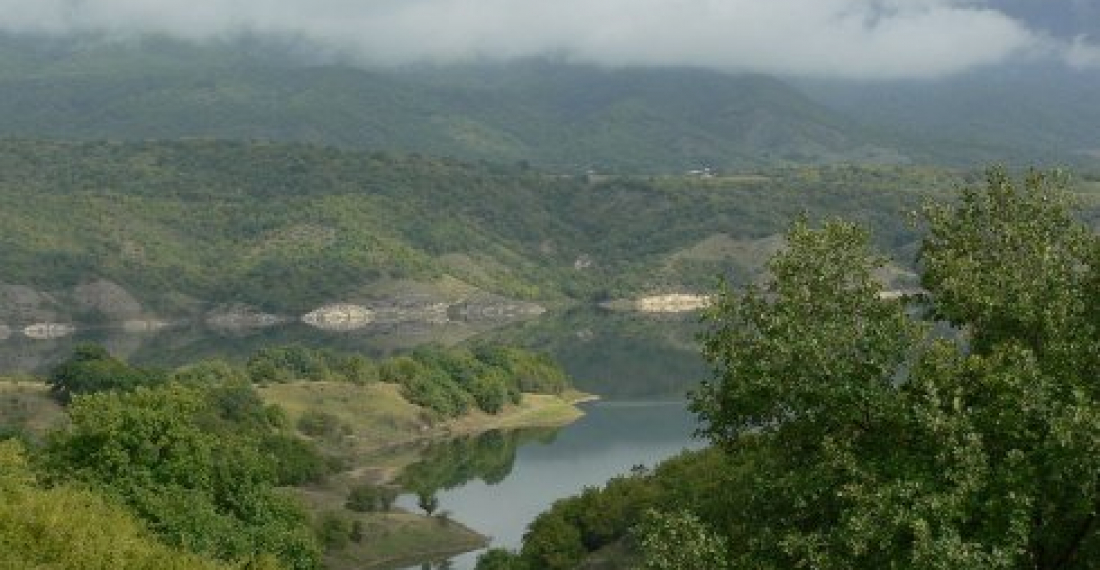
Сарсангское водохранилище было построено Азербайджаном на реке Тартар в 1976 г. Площадь водохранилища составляет 14,2 км2. Полный объём водохранилища составляет 560 млн м3. Высота плотины резервуара составляет 125 м. На резервуаре с момента его открытия действует ГЭС. Мощность Сарсангской ГЭС составляет 50 МВт.

В ноябре 1992 года, в разгар нагорно-карабахской войны, регион, где находится резервуар оказался под контролем армянских сил. Гидроэлектростанция, которой в настоящее время управляет ОАО "АрцахГЭК", является основным источником электроэнергии для самопровозглашенной Нагорно-Карабахской Республики (40-60%). Однако, с переходом под армянский контроль вопрос подачи воды стал под вопрос. Также есть и серьезная озабоченность в отношении содержания резервуара.

Эти вопросы были подняты в докладе Совета Европы, опубликованном в декабре 2015 года.

Вы можете ознакомиться с докладом докладчика ПАСЕ Милицы Марковича здесь

В этой связи Парламентская ассамблея Совета Европы также приняла резолюцию с призывом, в частности, "всем заинтересованным сторонам активизировать свои усилия по тесному сотрудничеству в совместном управлении ресурсами Сарсангского водохранилища, ибо такого рода сотрудничество может стать мерой по укреплению доверия, необходимой в решении любого конфликта".

Полная резолюция ПАСЕ доступна здесь

источник: commonspace.eu

Related articles

Editor's choice
News
The British prime minister says Europe must "stand on its own two feet" when it comes to defence

The British prime minister says Europe must "stand on its own two feet" when it comes to defence

The UK will deploy a carrier strike group, led by the aircraft carrier HMS Prince of Wales to the Arctic and the High North as part of efforts to bolster security against Russian threats. British prime minister, Sir Keir Starmer announced the deployment in a speech on Saturday (14 February) at the Munich Security Conference. Europe must be ready to fight to protect its people, values, and way of life,  Sir Keir told the Conference. Starmer also called for deeper links and cooperation, including economic ties, between the UK and EU. The PM stressed the continent must "stand on its own two feet" when it comes to defence commitments. "We must build our hard power, because that is the currency of the age," he told the conference. (Click image to read the full story).

Popular

Editor's choice
Interview
Thursday Interview: Murad Muradov

Thursday Interview: Murad Muradov

Today, commonspace.eu starts a new regular weekly series. THURSDAY INTERVIEW, conducted by Lauri Nikulainen, will host  persons who are thinkers, opinion shapers, and implementors in their countries and spheres. We start the series with an interview with Murad Muradov, a leading person in Azerbaijan's think tank community. He is also the first co-chair of the Action Committee for a new Armenian-Azerbaijani Dialogue. Last September he made history by being the first Azerbaijani civil society activist to visit Armenia after the 44 day war, and the start of the peace process. Speaking about this visit Murad Muradov said: "My experience was largely positive. My negative expectations luckily didn’t play out. The discussions were respectful, the panel format bringing together experts from Armenia, Azerbaijan, and Turkey was particularly valuable during the NATO Rose-Roth Seminar in Yerevan, and media coverage, while varied in tone, remained largely constructive. Some media outlets though attempted to represent me as more of a government mouthpiece than an independent expert, which was totally misleading.  Overall, I see these initiatives as important steps in rebuilding trust and normalising professional engagement. The fact that soon a larger Azerbaijani civil society visits to Armenia followed, reinforces the sense that this process is moving in the right direction." (click the image to read the interview in full)