


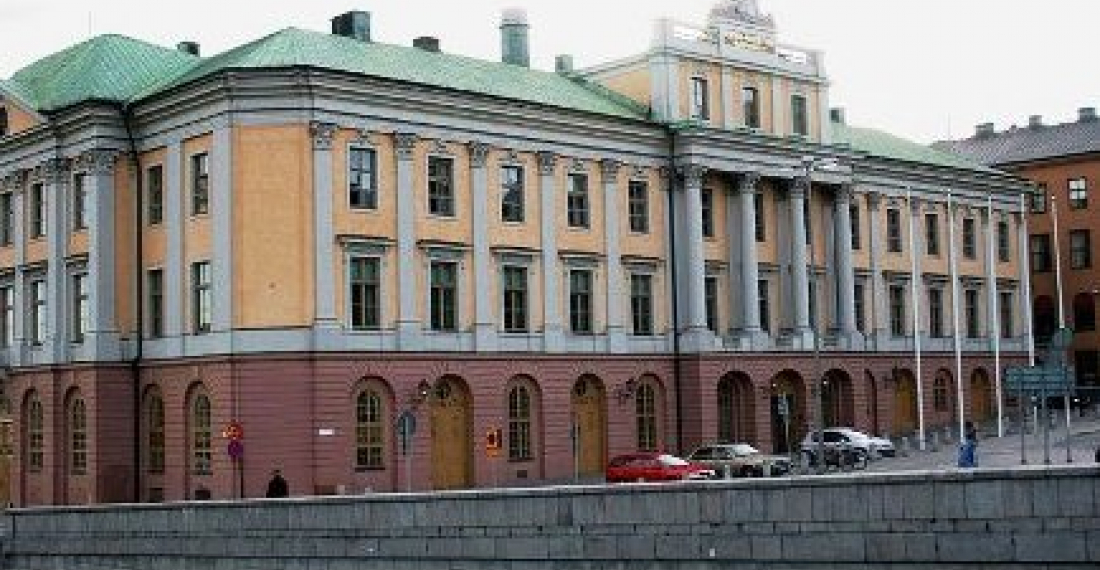
Швеция вернет внимание ОБСЕ к ее основам

Швеция определила свои приоритеты в рамках своего председательства в Организации по безопасности и сотрудничеству в Европе (ОБСЕ) в 2021 году.

Выступая по видеосвязи в Постоянном совете Организации в Вене с заместителем министра иностранных дел Швеции Робертом Ридбергом, он заявил, что содействие урегулированию конфликтов в регионе ОБСЕ будет занимать первое место в повестке дня его страны, поскольку она берет на себя руководство организацией. Заместитель министра процитировал конфликты в Украине, Приднестровье, Нагорном Карабахе и Грузии и сказал, что они представляют серьезную угрозу для общей безопасности в регионе ОБСЕ.

Обращение Ридберга к Постоянному совету произошло, когда организация столкнулась с одним из самых сложных моментов в своей 25-летней истории после неожиданного решения не продлевать мандат своего высшего руководства.

Не делая прямой ссылки на нынешний кризис, заместитель министра иностранных дел Швеции заявил:

"Организация испытывает серьезные проблемы. Нашей главной задачей должно стать возвращение к основам. Упор будет сделан на фундаментальные задачи ОБСЕ: защищать порядок европейской безопасности и отстаивать всеобъемлющую концепцию безопасности ОБСЕ.

Европейский порядок безопасности - территориальная целостность, воздерживаться от угрозы силой или ее применения и отстаивать право каждой страны выбирать свое собственное внешнее соглашение и меры безопасности - это основной интерес политики безопасности для моей собственной страны. Это отвечает интересам всего региона ОБСЕ. Наша общая приверженность этим принципам датируется Хельсинкским заключительным актом 1975 года и Парижской хартией 1990 года. Настало время, чтобы мы все выполнили эти обязательства. Нарушения международного права и отсутствие ответственности никогда не могут быть приняты".

В заключение шведский дипломат заявил, что ОБСЕ может изменить ситуацию путем диалога, интеграции и соблюдения согласованных принципов.

источник: commonspace.eu по материалам Министерства иностранных дел, Стокгольм

Related articles

Editor's choice
News
The British prime minister says Europe must "stand on its own two feet" when it comes to defence

The British prime minister says Europe must "stand on its own two feet" when it comes to defence

The UK will deploy a carrier strike group, led by the aircraft carrier HMS Prince of Wales to the Arctic and the High North as part of efforts to bolster security against Russian threats. British prime minister, Sir Keir Starmer announced the deployment in a speech on Saturday (14 February) at the Munich Security Conference. Europe must be ready to fight to protect its people, values, and way of life,  Sir Keir told the Conference. Starmer also called for deeper links and cooperation, including economic ties, between the UK and EU. The PM stressed the continent must "stand on its own two feet" when it comes to defence commitments. "We must build our hard power, because that is the currency of the age," he told the conference. (Click image to read the full story).

Popular

Editor's choice
Interview
Thursday Interview: Murad Muradov

Thursday Interview: Murad Muradov

Today, commonspace.eu starts a new regular weekly series. THURSDAY INTERVIEW, conducted by Lauri Nikulainen, will host  persons who are thinkers, opinion shapers, and implementors in their countries and spheres. We start the series with an interview with Murad Muradov, a leading person in Azerbaijan's think tank community. He is also the first co-chair of the Action Committee for a new Armenian-Azerbaijani Dialogue. Last September he made history by being the first Azerbaijani civil society activist to visit Armenia after the 44 day war, and the start of the peace process. Speaking about this visit Murad Muradov said: "My experience was largely positive. My negative expectations luckily didn’t play out. The discussions were respectful, the panel format bringing together experts from Armenia, Azerbaijan, and Turkey was particularly valuable during the NATO Rose-Roth Seminar in Yerevan, and media coverage, while varied in tone, remained largely constructive. Some media outlets though attempted to represent me as more of a government mouthpiece than an independent expert, which was totally misleading.  Overall, I see these initiatives as important steps in rebuilding trust and normalising professional engagement. The fact that soon a larger Azerbaijani civil society visits to Armenia followed, reinforces the sense that this process is moving in the right direction." (click the image to read the interview in full)


