Региональные лидеры в своих новогодних поздравлениях особенно отметили экономические вопросы

Лидеры Азербайджана, Армении и Грузии в ходе телевизионного обращения в последние минуты уходящего года поздравили своих граждан с Новым 2017 годом. Президент Армении Серж Саргсян, президент Азербайджана Ильхам Алиев и премьер-министр Грузии Георгий Квирикашили в ходе своих выступлений особо отметили экономические вопросы, что отражает сохраняющуюся озабоченность среди их граждан по этим вопросам.

Президент Армении Серж Саргсян сказал следующее:

"Мы вступаем в новый год увереными в своих силах. Предстоящие 25 лет будут периодом подъёма - строительства ещё более сильной и болеe благополучной Армении. Именно с этим духом мы каждый день будем идти вперёд по пути осуществления заметных для всех нас и ощутимых перемен. Мы вступаем в новый год с серьёзными и реалистреалистичными программами. Положительные результаты последовательных и широкомасштабных перемен, как в экономике, так и в других областях, в ближайшем будущем будут уже ощутимы для всех. Верю, что новому правительству это удастся, и это будет успехом всех нас."

Со своей стороны, президент Азербайджана Ильхам Алиев остановился довольно подробно на экономической ситуации в своем выступлении, сказав:

"2016 год был одним из самых тяжелых для экономики страны. Экономика Азербайджана является частью мировой экономики. А в мире в 2016 году продолжался экономический кризис. Кроме того, в результате падения в три-четыре раза цен на нефть на мировых рынках, наши доходы резко сократились. В такой ситуации мы могли найти путь выхода из нее лишь проводя серьезные реформы и добились этого.

Экономике Азербайджана удалось сохранить устойчивость, была обеспечена экономическая стабильность, проведенные в этом году серьезные и всесторонние экономические реформы открывают прекрасные горизонты, перспективы для нашего дальнейшего развития. Должен также отметить, что, несмотря на все трудности, ненефтяная промышленность нашей страны выросла в этом году на 5 процентов, а сельское хозяйство - более чем на 2 процента. В нынешнем году нам удалось сохранить валютные резервы. Это тоже очень важно, так как наш экономический потенциал, финансовые ресурсы определяют как нашу экономическую, так и политическую независимость.

В 2016 году были перевыполнены все социальные программы. Для улучшения условий жизни переселенцев были заложены новые поселки, городки. Денежные доходы населения - несмотря на то, что 2016 год был кризисным, - увеличились на 7 процентов, а средняя заработная плата - на 9 процентов.

Словом, несмотря на все трудности Азербайджан уверенно развивался и в 2016 году. Хочу еще раз отметить, что принятые в этом году решения, в частности, шаги, направленные на диверсификацию экономики страны, дадут результаты. Одновременно мы предприняли очень важные шаги по диверсификации экспорта, так как в результате сокращения нефтяных доходов наши валютные поступления уменьшились, и мы можем восполнить этот пробел развитием ненефтяного экспорта."

Премьер-министр Грузии Георгий Квирикашили в своей речи сказал, что в 2016 году было много достижений и проблем, но самым важным было то, что "был заложен фундамент для правильного развития нашей страны". Премьер-министр Грузии отметил, что 2017 год станет годом новых возможностей для каждого гражданина страны:

"Я обещаю, что 2017 год будет годом особенных возможностей. Я уверен, что наши люди смогут воспользоваться каждой из этих возможностей для того, чтобы превратить свои мечты и цели своими руками в реальность. Эти возможности помогут нам стать сильнее, на благо нашей страны, наших детей, наших родителей и пожилых людей, наших абхазских и осетинских соотечественников, наших эмигрантов и наших солдат.

Вместе мы сможем расширить нашу экономику, создать как можно больше рабочих мест, и иметь более сильные в экономическом плане семья."

Президенты Армении и Азербайджана также сослались в своих выступлениях на короткую войну между двумя странами в апреле. Президент Ильхам Алиев впервые заявил в своем выступлении, что во время конфликта в апреле Азербайджаном были отбиты тысячи гектаров земли:

"2016 год останется в истории как год нашей славной военной победы. Впервые с 1994 года Азербайджан освободил от захватчиков часть оккупированных земель Азербайджана. В апреле наша армия пресекла армянскую вооруженную провокацию, нанесла сокрушительные удары по врагу и освободила часть оккупированных земель. От оккупантов были освобождены тысячи гектаров земель в Агдеринском, Физулинском, Джебраильском районах. В настоящее время Азербайджанская армия полностью контролирует десятки тысяч гектаров земель.

У нас были и шехиды. Да упокоит Аллах души шехидов. Азербайджанский народ, азербайджанские солдаты и офицеры проявили подлинный героизм. Сегодня наш флаг развевается на освобожденных от оккупации землях Агдеринского, Физулинского, Джебраильского районов. Находясь на освобожденных землях, я еще раз сказал под флагом Азербайджана, что азербайджанский народ и Азербайджанское государство никогда не позволят создать на своей земле второе армянское государство. Апрельские бои - наша славная история. Апрельские бои - наша историческая победа. Эта победа приближает урегулирование конфликта."

В гораздо более короткой ссылке на эти события, президент Армении сказал следующее:

"На поле боя наш народ вновь доказал, что его коллективная сила нерушима, воля защищать страну непоколебима. Единство Армении, Арцаха и Диаспоры не отступит перед подлыми и вероломными нападениями. Из всех испытаний мы будем выходить ещё более сильными."

Президент Саргсян также сослался на парламентские выборы, которые запланированы на 2 апреля 2017 года "Наша обществeнность, объединившись, может организовать такой политический процесс, которому будет доверять каждый его представитель. Нам необходимы именно такие выборы, чтобы корабль нашего государства избежал известных из прошлого подводных камней", сказал он.

источник: commonspace.eu по материалам president.am, president.az, agenda.ge и civil.ge.

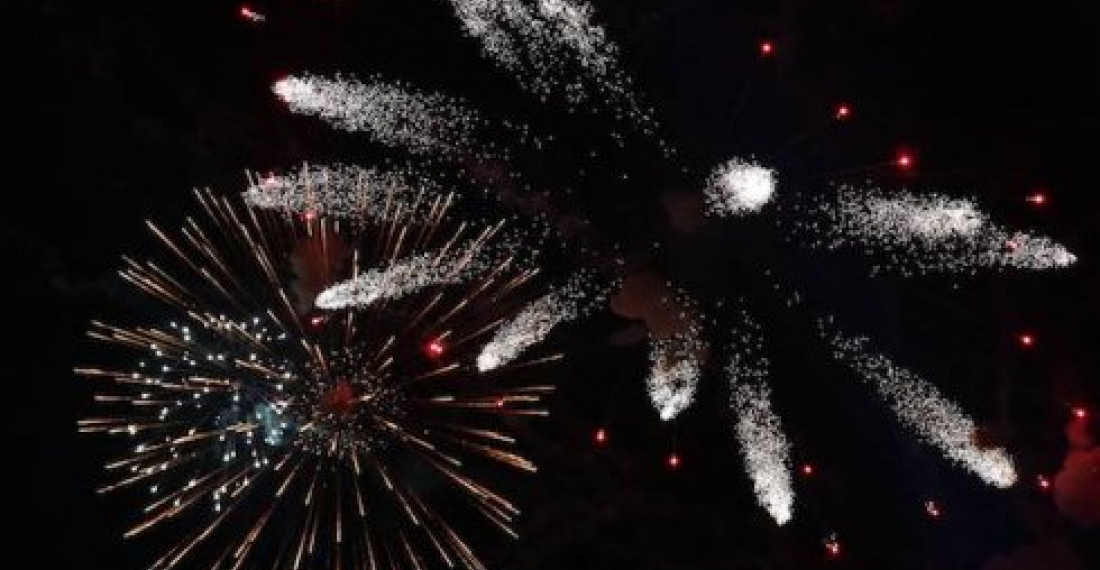
фото: Праздничный фейерверк в Тбилиси в 2017 году (фото любезно предоставлено Мэрией Тбилиси)
Related articles

Editor's choice
News
COP 17 in Armenia

COP 17 in Armenia

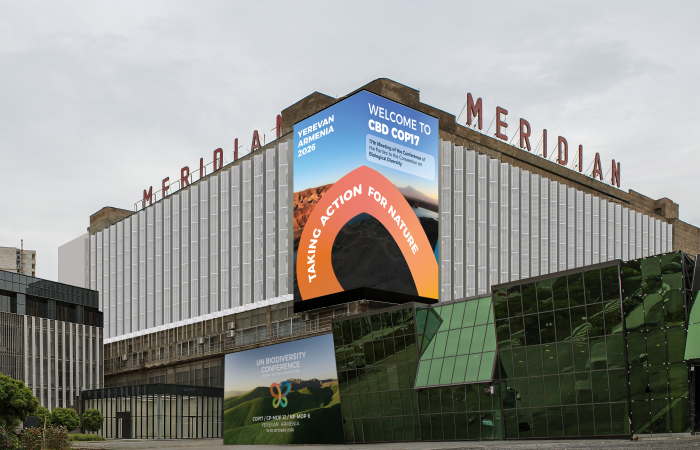
Armenia is currently hosting the COP17 conference of the Convention on Biological Diversity, which began earlier this week (19 October) and will run until 30 October, bringing around 15,000 participants from 196 different countries to Yerevan. At a leaders' summit held as part of COP17, Prime Minister Nikol Pashinyan expressed realistic ambitions: “We are halfway towards achieving these goals (Kunming-Montreal Global Biodiversity Framework), and we must honestly acknowledge that we are not yet moving in the right direction. Our task now is not to make new promises, but to fulfil the commitments we have already made.” Pashinyan pointed towards Armenia's own records, noting that the whitefish stock in Lake Sevan has increased substantially in the last ten years. Iranian President Masoud Pezeshkian and Georgian Prime Minister Irakli Kobakhidze also addressed the summit, with Turkiye sending its agriculture minister. However, there were no reports of Azerbaijani representatives attending. The conference has given Yerevan a valuable international platform, yet the absence of Azerbaijan is likely to be read as a sign that the peace process in the South Caucasus has not yet been translated into wider regional cooperation. The leaders' summit was opened by Armenian Prime Minister Nikol Pashinyan, who stressed that hosting the conference was a great honour for Armenia. He expressed hope that it would 'be productive and contribute to protecting our planet's biodiversity'. 'We – the citizens of Armenia, the government, state authorities and local governments – owe a debt to our nature,' the prime minister said. He noted that the international community had already developed the concept of 'living in harmony with nature’ and adopted the Kunming-Montreal Global Biodiversity Framework in 2022, setting out goals and specific targets to be achieved by 2030. 'We are halfway towards achieving these goals, and we must honestly acknowledge that we are not yet moving in the right direction. Our task now is not to make new promises, but to fulfil the commitments we have already made,' Nikol Pashinyan said. The COP17 conference is expected to adopt a declaration at leaders' level. More than 30 documents are scheduled for discussion. If approved, the commitments set out in them will become legally binding on countries that are parties to the Convention on Biological Diversity.”
Editor's choice
News
Landmines present to the European Union both a contradiction and a dilemma

Landmines present to the European Union both a contradiction and a dilemma

Finland’s decision to buy one million landmines creates a serious contradiction in the policy of the European Union, and is symbolic of a bigger dilemma facing European countries as they get used to the need to acquire “hard” power to face an increasing threat from Russia. Finland is seeking to acquire one million anti-personnel mines at a cost of 100 million euros. Finland, together with Poland, Latvia, Lithuania and Estonia last year abandoned the Ottawa agreement, the international framework that bans the use of anti-personnel mines, which the EU had been instrumental in establishing and supporting. All five countries cite the threat from Moscow as the reason. Colonel Riku Mikkonen of the Army Command told Finland’s national news agency STT that officials are now gathering information from suppliers regarding the deal, the AFP news agency reports. Helsinki would like domestic manufacturers to supply the mines, with contracts signed by the end of 2027 and production up and running by 2028. “It would be useful in many ways if Finnish companies produced the anti-personnel mines in Finland,” Mikkonen said. About half a dozen Finnish firms qualify, he told STT. “However, at this stage, buying the mines from abroad is not totally ruled out,” he added. LANDMINES PROVIDE THE EU WITH BOTH A CONTRADICTION, AND A DILEMMA Eliminating landmine contamination worldwide is one of the EU’s main soft power postures, and it basks in its record as the biggest funder of anti-landmine action in the world. But the fact that 5 of its 27 member states  have now left the Ottawa Treaty dents the EU moral high ground. It is a contradiction that is too big and important to be ignored. It also presents the European Union with a deeper dilemma. The threat from Russia is changing what the EU has stood for decades, namely a force for good able to mobilise its considerable soft power for the greater good of humanity. How the Union will implement this change will define its future. In the meantime landmines have not become any less lethal, benign, or unimportant. They remain in many parts of the world a major threat to life, an impediment to prosperity, and a potential trigger to further conflict. The 22 EU members states that still adhere to the Ottawa treaty must regroup, and be more assertive in their quest against anti-personnel land mines. All the reasons why they supported the Ottawa treaty in the first place still exist. The message must be clear: NO TO LANDMINES!

Popular

Editor's choice
Interview
Thursday Interview: Murad Muradov

Thursday Interview: Murad Muradov

Today, commonspace.eu starts a new regular weekly series. THURSDAY INTERVIEW, conducted by Lauri Nikulainen, will host  persons who are thinkers, opinion shapers, and implementors in their countries and spheres. We start the series with an interview with Murad Muradov, a leading person in Azerbaijan's think tank community. He is also the first co-chair of the Action Committee for a new Armenian-Azerbaijani Dialogue. Last September he made history by being the first Azerbaijani civil society activist to visit Armenia after the 44 day war, and the start of the peace process. Speaking about this visit Murad Muradov said: "My experience was largely positive. My negative expectations luckily didn’t play out. The discussions were respectful, the panel format bringing together experts from Armenia, Azerbaijan, and Turkey was particularly valuable during the NATO Rose-Roth Seminar in Yerevan, and media coverage, while varied in tone, remained largely constructive. Some media outlets though attempted to represent me as more of a government mouthpiece than an independent expert, which was totally misleading.  Overall, I see these initiatives as important steps in rebuilding trust and normalising professional engagement. The fact that soon a larger Azerbaijani civil society visits to Armenia followed, reinforces the sense that this process is moving in the right direction." (click the image to read the interview in full)