Путин и Эрдоган обсуждают совместный подход к урегулированию карабахского конфликта

В последние дни между Россией и Турцией установились интенсивные дипломатические контакты с целью остановить продолжающуюся войну между армянами и азербайджанцами и продвинуться к урегулированию Нагорно-Карабахского конфликта.

В субботу (7 ноябрь) Кремль сообщил, что президент России Владимир Путин в ходе телефонного звонка проинформировал президента Турции Реджепа Тайипа Эрдогана о телефонных переговорах, которые, как предполагается, состоялись 1 и 2 ноября, с лидерами Азербайджана и Армении с целью поиска решение Нагорно-Карабахского конфликта.

Как сообщает пресс-служба Кремля, оба президента подтвердили готовность добиваться мира в Нагорном-Карабахе. В заявлении на сайте Кремля говорится:

Оба президента подробно обсудили развитие ситуации в зоне Нагорно-Карабахского конфликта. Владимир Путин проинформировал своего турецкого коллегу о серии телефонных разговоров с руководителями Азербайджана и Армении. Эти контакты были направлены на поиск вариантов быстрого прекращения боевых действий и проложения пути к политическому и дипломатическому урегулированию. Владимир Путин и Реджеп Тайип Эрдоган подтвердили взаимную приверженность совместной работе для достижения мирного разрешения конфликта.

Также в субботу в администрации президента Турции заявили, что Эрдоган настаивал на том, чтобы убедить Ереван сесть за стол переговоров. Он указал, что окончательное решение этого конфликта является ключевым фактором стабильности в регионе, говорится в пресс-релизе.

В воскресенье министры иностранных дел и обороны Турции вылетели в Баку для встречи с президентом Азербайджана. Для министра иностранных дел Мевлута Чависоглу это второй визит в Баку за неделю.

В понедельник CNN Turk со ссылкой на источники, близкие к президентству Турции, сообщил, что Турция предлагает создать «рабочую группу» с Россией для урегулирования кризиса. Если это произойдет, это впервые за почти тридцать лет создаст механизм, альтернативный Минской группе ОБСЕ, сопредседателем которой является Россия вместе с Францией и США.

Политический редактор Commonspace.eu сказал в комментарии, что на этой неделе вероятно некоторое движение на дипломатическом фронте, в котором лидерами будут Россия и Турция. Для международного сообщества прекращение боевых действий остается приоритетом, но для России и Турции существует еще один приоритет, а именно, кто будет контролировать в будущем процесс возобновления переговоров в регионе. Понятно, что обе страны хотят быть в центре этого процесса, но похоже возможно, они также не хотят внедрять кого-либо еще.

источник: commonspace.eu с агентствами

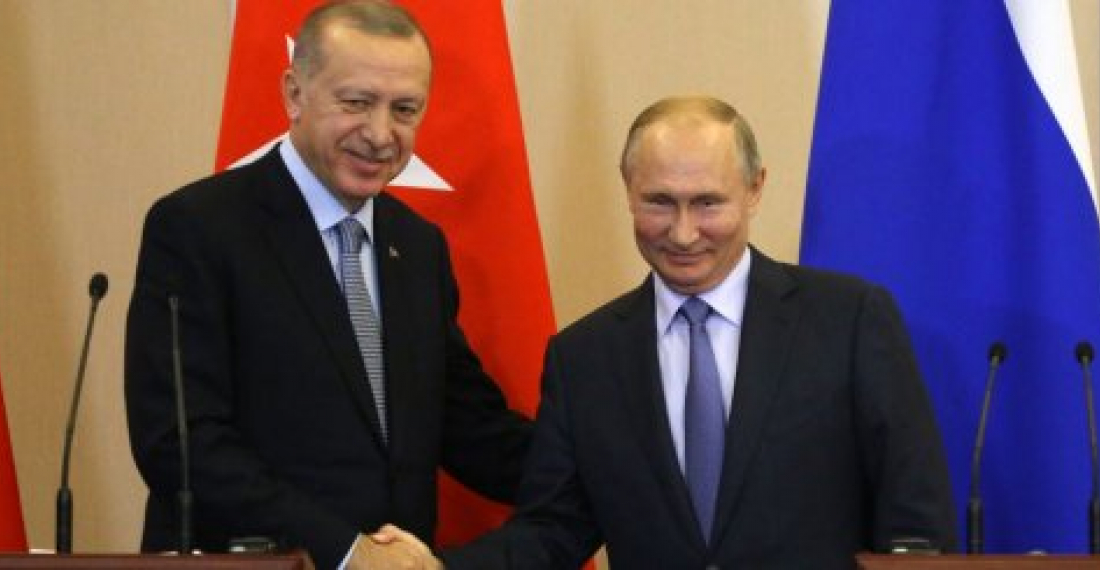
на фото: президент России Путин и президент Турции Эрдоган (архивный снимок)


Related articles

Editor's choice
News
Borrell tells the European Parliament that the situation in Afghanistan was critical, but the EU will remain engaged

Borrell tells the European Parliament that the situation in Afghanistan was critical, but the EU will remain engaged

Borrell underlined that the European Union will make every effort to support the peace process and to remain a committed partner to the Afghan people. "Of course, we will have to take into account the evolving situation, but disengagement is not an option.  We are clear on that: there is no alternative to a negotiated political settlement, through inclusive peace talks.
Editor's choice
News
NATO Chief says war is on Europe's doorstep, and warns against complacency

NATO Chief says war is on Europe's doorstep, and warns against complacency

Russia could attack a Nato country within the next five years, the Secretary General of NATO, Mark Rutte, said in a stark new warning. "Nato's own defences can hold for now," Rutte warned in Berlin, but conflict was "next door" to Europe and he feared "too many are quietly complacent, and too many don't feel the urgency, too many believe that time is on our side. "Russia is already escalating its covert campaign against our societies," Rutte said in a speech in Germany. "We must be prepared for the scale of war our grandparents or great-grandparents endured." Earlier this month, Russia's President Vladimir Putin said his country was not planning to go to war with Europe, but it was ready "right now" if Europe wanted to - or started a war. But similar reassurances were given by Moscow in 2022, just before 200,000 Russian troops crossed the border and invaded Ukraine. Putin has accused European countries of hindering US efforts to bring peace in Ukraine - a reference to the role Ukraine's European allies have recently played in trying to change a US peace plan to end the war, whose initial draft was seen as favouring Russia. But Putin was not sincere, Nato's secretary-general said in the German capital, Berlin. Supporting Ukraine, he added, was a guarantee for European security. "Just imagine if Putin got his way; Ukraine under the boot of Russian occupation, his forces pressing against a longer border with Nato, and the significantly increased risk of an armed attack against us." Russia's economy has been on a war footing for more than three years now - its factories churn out ever more supplies of drones, missiles and artillery shells. According to a recent report by the Kiel Institute for the World Economy, Russia has been producing each month around 150 tanks, 550 infantry fighting vehicles, 120 Lancet drones and more than 50 artillery pieces. The UK, and most of its Western allies, are simply not anywhere near this point. Analysts say it would take years for Western Europe's factories to come close to matching Russia's mass-production of weapons. "Allied defence spending and production must rise rapidly, our armed forces must have what they need to keep us safe," the Nato chief said.

Popular

Editor's choice
News
NATO Chief says war is on Europe's doorstep, and warns against complacency

NATO Chief says war is on Europe's doorstep, and warns against complacency

Russia could attack a Nato country within the next five years, the Secretary General of NATO, Mark Rutte, said in a stark new warning. "Nato's own defences can hold for now," Rutte warned in Berlin, but conflict was "next door" to Europe and he feared "too many are quietly complacent, and too many don't feel the urgency, too many believe that time is on our side. "Russia is already escalating its covert campaign against our societies," Rutte said in a speech in Germany. "We must be prepared for the scale of war our grandparents or great-grandparents endured." Earlier this month, Russia's President Vladimir Putin said his country was not planning to go to war with Europe, but it was ready "right now" if Europe wanted to - or started a war. But similar reassurances were given by Moscow in 2022, just before 200,000 Russian troops crossed the border and invaded Ukraine. Putin has accused European countries of hindering US efforts to bring peace in Ukraine - a reference to the role Ukraine's European allies have recently played in trying to change a US peace plan to end the war, whose initial draft was seen as favouring Russia. But Putin was not sincere, Nato's secretary-general said in the German capital, Berlin. Supporting Ukraine, he added, was a guarantee for European security. "Just imagine if Putin got his way; Ukraine under the boot of Russian occupation, his forces pressing against a longer border with Nato, and the significantly increased risk of an armed attack against us." Russia's economy has been on a war footing for more than three years now - its factories churn out ever more supplies of drones, missiles and artillery shells. According to a recent report by the Kiel Institute for the World Economy, Russia has been producing each month around 150 tanks, 550 infantry fighting vehicles, 120 Lancet drones and more than 50 artillery pieces. The UK, and most of its Western allies, are simply not anywhere near this point. Analysts say it would take years for Western Europe's factories to come close to matching Russia's mass-production of weapons. "Allied defence spending and production must rise rapidly, our armed forces must have what they need to keep us safe," the Nato chief said.