Поступают противоречивые сообщения о серьезном инциденте на армяно-азербайджанской границе (Обновлено 2)

Поступают противоречивые сообщения о серьезном инциденте на армяно-азербайджанской границе. В четверг (29 декабря), армянская сторона сообщила о том, что её силами были убиты семь азербайджанских солдат. Азербайджанская же сторона отвергла данные сообщения, заявив лишь об одном пропавшем солдате. Армения также сообщила о гибели троих своих солдат. Обе стороны обвиняют друг друга в провокации инцидента.

Обновлено в 15.00 GMT, 29 декабря 2016

По словам политического редактора Commonspace.eu, этот инцидент, если он подтвердится, представляет собой серьезную эскалацию ситуации. В этом случае он станет самым серьезным инцидентом с участием армянских и азербайджанских солдат после короткой «войны» в апреле этого года, в результате которой погибли сотни людей с обеих сторон. Однако, если подтвердится число жертв, то это будет также самый серьезный инцидент на международной границе и вне зоны конфликта, и это будет иметь серьезные последствия. Армения подписала ряд договоров в сфере обороны с Россией, в том числе членство в Организации Договора о коллективной безопасности (ОДКБ). ОДКБ всегда заявляло, что оно не может принимать участие в решении вопросов в зоне карабахского конфликта, но если будет нарушена армянская международная граница, то это будет другое дело.

Генеральный секретарь ОДКБ выступил с заявлением, которое приводят армянские СМИ:

"Рассматриваем эти действия на территории государства-члена ОДКБ как провокационные, особенно на фоне достаточно тяжелого инцидента в Нагорно-Карабахской Республике с применением тяжелого вооружения и бронетехники в апреле сего года."

"Казалось бы, с учетом усилий, которые были предприняты с обеих сторон, а также лидерами ряда государств, процесс урегулирования нагорно-карабахской проблемы наконец-то пойдет более активно. Однако, поступающие в последнее время из региона сообщения о регулярных нарушениях договоренностей о прекращении огня, а тем более очередной инцидент 29 декабря, приведший к гибели военнослужащих, вызывают серьезную озабоченность", - говорится в комментарии Николая Бордюжи.

Ссылка в заявлении ОДКБ на самопровозглашенную Нагорно-Карабахскую Республику является беспрецедентной и, вероятно, станет предметом многочисленных споров. Данное заявление уже осудили в МИД Азербайджана, который в предыдущем отдельном заявлении обвинил Армению в провокации инцидента.

Как сообщают СМИ в Армении, сопредседатели Минской группы ОБСЕ поддерживают контакт со сторонами.


--------------------------------------------------------------------


Армянские СМИ, со ссылкой на источники в Министерстве обороны Армении, сообщают, что "Вооруженные силы Азербайджана ранним утром 29 декабря предприняли попытку диверсионного проникновения на границе с Арменией. Попытка была предпринята к юго-востоку от села Чинари, в Тавушской области, на международной границе Армении и Азербайджана".

Пресс-секретарь Министерства обороны Армении, Арцрун Ованнисян, сообщил СМИ, что "армянские вооруженные силы вступили в бой с противником". "Вооруженные силы Армении полностью контролируют ситуацию, предотвратив вторжение противника."

Армения сообщает о том, что были убиты семь азербайджанских солдат и, также о гибели троих своих солдат. Это военнослужащие ВС Армении старший лейтенант Шаварш Меликян, рядовые Эдгар Нараян и Эрик Абовян.

Азербайджанская сторона дает другую версию произошедшего. В ней говорится, что информация о гибели семи азербайджанских солдат "ложь и не соответствует действительности".

Министерство обороны Азербайджана заявляет, что "утром 29 декабря разведгруппа ВС Армении попыталась нарушить государственную границу Азербайджана, но нарвалась на засаду наших подразделений. Во время столкновения враг вынужден был отступить, понеся многочисленные потери в живой силе. В результате столкновения солдат ВС Азербайджана Гурбанов Чингиз Салман оглу пропал без вести. Принимаются меры в связи с обнаружением его местонахождения."

В заявлении, опубликованном МИД Армении говорится:

"Строжайшим образом осуждаем попытку диверсионного проникновения, предпринятую Азербайджаном сегодня на границе с Арменией, что стало причиной человеческих жертв. Выражаем глубокие соболезнования родным и сослуживцам погибших."

Инцидент произошел вне зоны нагорно-карабахского конфликта, на международной границе между Арменией и Азербайджаном.

источник: commonspace.eu по материалам агентств

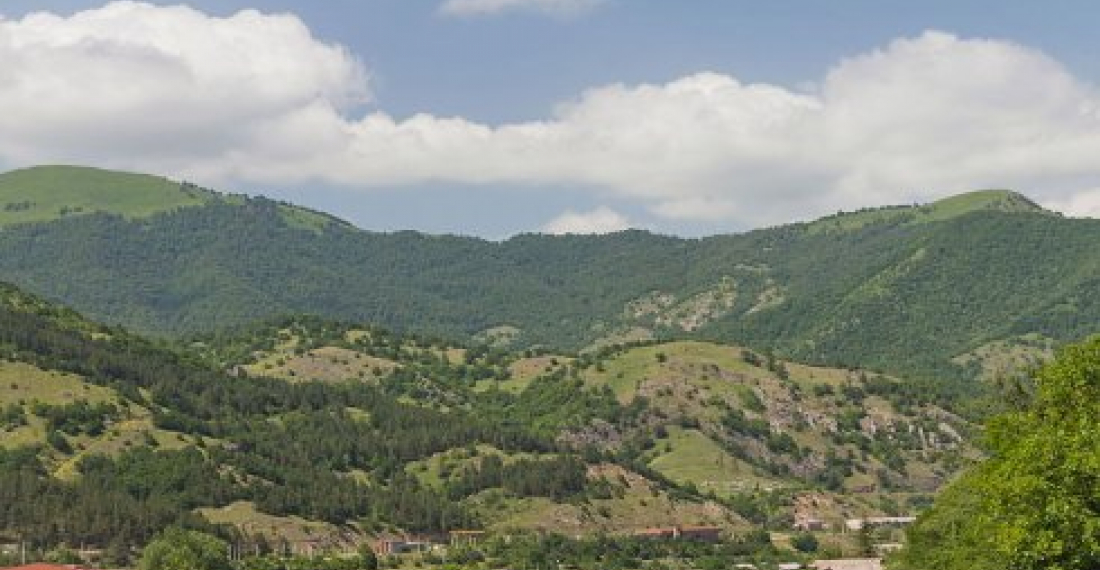
фото: Тавушская область (фото из архива)
 

Related articles

Editor's choice
News
Uzbekistan strengthens its relations with China and US

Uzbekistan strengthens its relations with China and US

In recent days, Uzbekistan welcomed the Chinese and American governments in quick succession. During Chinese Premier Li Qiang’s visit on 17-18 October, the Uzbek presidential administration said that joint projects backed by firm agreements had reached nearly $60 billion. US Secretary of State Marco Rubio then arrived in Samarkand for C5+1 talks, accompanied at the time by American business leaders seeking contracts, particularly in critical minerals. During the visit, Uzbekistan announced 54 agreements covering trade, investment, and technology. The agreements are said to be worth a total of $12 billion, according to Uzbekistan’s Ministry of Investment, Industry and Trade. However, China still accounts for 23% of Uzbekistan’s foreign trade in January-August 2026, while US goods trade with Uzbekistan totalled at $1.05 billion in 2025, which is less than a fifteenth of the value of its trade with China. Rubio said Washington was not asking Central Asian countries to stop cooperating with other partners, but would instead compete for investment. Tashkent is likely to welcome investment from both sides, but the trade gap shows how challenging it will be if it were to decrease its dependence on Beijing. “Chinese Premier Li Qiang visited Uzbekistan on October 17–18, just ahead of United States Secretary of State Marco Rubio, who arrived in Samarkand on October 18 with a delegation of American business leaders seeking new contracts. While China already has a substantial presence in Uzbek manufacturing and energy, Washington is seeking to expand American involvement in critical minerals and technology. The visits highlight the growing competition between the world’s two largest economies for influence in Central Asia. On October 17, President Shavkat Mirziyoyev received Li Qiang. According to the Uzbek presidential administration, the portfolio of joint projects backed by firm agreements has reached nearly $60 billion. More than 6,000 joint ventures with Chinese participation have been established in Uzbekistan. (...) Construction of the China–Kyrgyzstan–Uzbekistan railway was another topic of discussion. Work officially began in December 2024. The route will cross mountainous areas of Kyrgyzstan and connect the railway networks of China and Uzbekistan. The 304-kilometer section through Kyrgyzstan alone is estimated to cost $4.7 billion and will require 50 bridges and 29 tunnels. (...) On October 19, Rubio attended talks in Samarkand under the C5+1 format, bringing together the U.S. and Kazakhstan, Kyrgyzstan, Tajikistan, Turkmenistan, and Uzbekistan. Rubio said nearly 300 American businesses were represented in Samarkand. Companies were discussing agreements potentially worth billions of dollars, with concrete announcements expected following the meetings. Among Washington’s priorities are critical minerals used in advanced technologies, including electronics and batteries.”
Editor's choice
News
COP 17 in Armenia

COP 17 in Armenia

Armenia is currently hosting the COP17 conference of the Convention on Biological Diversity, which began earlier this week (19 October) and will run until 30 October, bringing around 15,000 participants from 196 different countries to Yerevan. At a leaders' summit held as part of COP17, Prime Minister Nikol Pashinyan expressed realistic ambitions: “We are halfway towards achieving these goals (Kunming-Montreal Global Biodiversity Framework), and we must honestly acknowledge that we are not yet moving in the right direction. Our task now is not to make new promises, but to fulfil the commitments we have already made.” Pashinyan pointed towards Armenia's own records, noting that the whitefish stock in Lake Sevan has increased substantially in the last ten years. Iranian President Masoud Pezeshkian and Georgian Prime Minister Irakli Kobakhidze also addressed the summit, with Turkiye sending its agriculture minister. However, there were no reports of Azerbaijani representatives attending. The conference has given Yerevan a valuable international platform, yet the absence of Azerbaijan is likely to be read as a sign that the peace process in the South Caucasus has not yet been translated into wider regional cooperation. The leaders' summit was opened by Armenian Prime Minister Nikol Pashinyan, who stressed that hosting the conference was a great honour for Armenia. He expressed hope that it would 'be productive and contribute to protecting our planet's biodiversity'. 'We – the citizens of Armenia, the government, state authorities and local governments – owe a debt to our nature,' the prime minister said. He noted that the international community had already developed the concept of 'living in harmony with nature’ and adopted the Kunming-Montreal Global Biodiversity Framework in 2022, setting out goals and specific targets to be achieved by 2030. 'We are halfway towards achieving these goals, and we must honestly acknowledge that we are not yet moving in the right direction. Our task now is not to make new promises, but to fulfil the commitments we have already made,' Nikol Pashinyan said. The COP17 conference is expected to adopt a declaration at leaders' level. More than 30 documents are scheduled for discussion. If approved, the commitments set out in them will become legally binding on countries that are parties to the Convention on Biological Diversity.”

Popular

Editor's choice
Interview
Thursday Interview: Murad Muradov

Thursday Interview: Murad Muradov

Today, commonspace.eu starts a new regular weekly series. THURSDAY INTERVIEW, conducted by Lauri Nikulainen, will host  persons who are thinkers, opinion shapers, and implementors in their countries and spheres. We start the series with an interview with Murad Muradov, a leading person in Azerbaijan's think tank community. He is also the first co-chair of the Action Committee for a new Armenian-Azerbaijani Dialogue. Last September he made history by being the first Azerbaijani civil society activist to visit Armenia after the 44 day war, and the start of the peace process. Speaking about this visit Murad Muradov said: "My experience was largely positive. My negative expectations luckily didn’t play out. The discussions were respectful, the panel format bringing together experts from Armenia, Azerbaijan, and Turkey was particularly valuable during the NATO Rose-Roth Seminar in Yerevan, and media coverage, while varied in tone, remained largely constructive. Some media outlets though attempted to represent me as more of a government mouthpiece than an independent expert, which was totally misleading.  Overall, I see these initiatives as important steps in rebuilding trust and normalising professional engagement. The fact that soon a larger Azerbaijani civil society visits to Armenia followed, reinforces the sense that this process is moving in the right direction." (click the image to read the interview in full)