Посланник Московского Патриархата посетил Ватикан на фоне происходящего раскола в Православии

Посланник Русской Православной Церкви в пятницу встретился в Ватикане с Папой Фрэнсисом на фоне опасения по поводу нового раскола в Православии.

Председатель Отдела внешних церковных связей Московского Патриархата, митрополит Волоколамский Иларион, имел частную аудиторию с Папой Фрэнсисом в пятницу. Митрополит Иларион ранее сказал ТАСС, что встреча была запланирована.

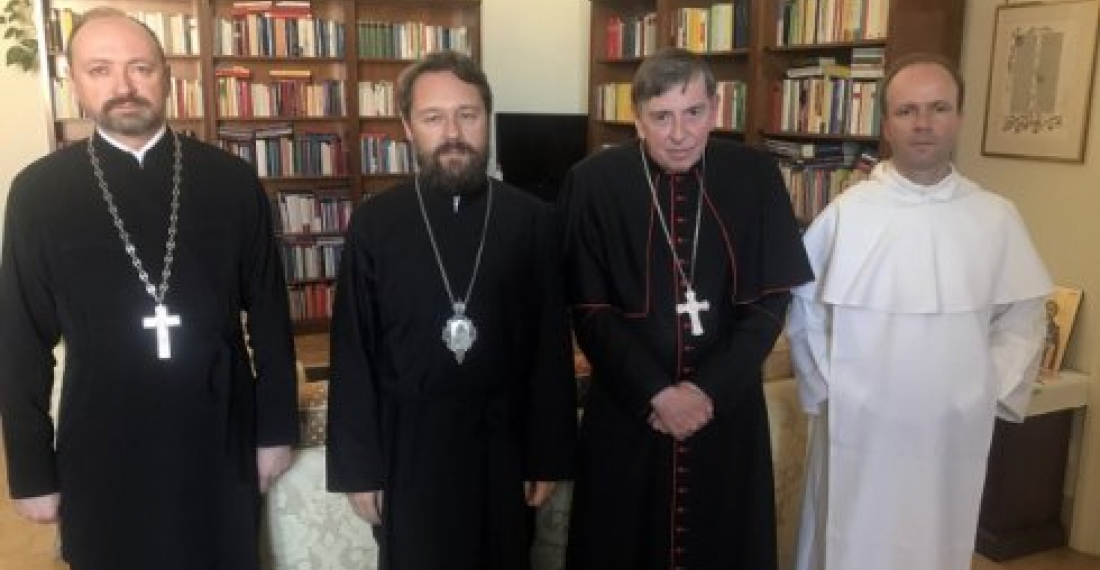
Ватикан не представил никаких подробностей о встрече. Накануне митрополит Волоколамский Иларион встретился с президентом Папского совета по содействию христианскому объединению, с кардиналом Курту Коху, в рамках Генеральной ассамблеи Архиерейского Синода Католической Церкви.

На сайте Московского Патриархата говорится, что "Митрополит Иларион ознакомил кардинала К. Коха с решениями Священного Синода Русской Православной Церкви, принятыми на заседании в Минске 15 октября в связи с неканоническими действиями Константинопольского Патриархата на Украине. Владыка подробно изложил позицию Московского Патриархата по данному вопросу и передал кардиналу текст заявления Священного Синода".

Константинопольский Патриархат, «первый среди равных» в православном мире, постановил, что Украинская Православная Церковь, Киевский Патриархат и Украинская Автокефальная Православная Церковь являются каноническими или законными. Этот шаг является шагом на пути к предоставлению автокефалии или независимости украинским православным христианам. Русская Православная Церковь, Московский Патриархат, отреклись от церковных связей с Константинополем, обвиняя его в «расколе».

Подробнее: Синод Константинопольского Патриархата признает независимость Украинской Православной Церкви

источник: commonspace.eu

фото: Митрополит Волоколамский Иларион встретился с президентом Священного Престола Папского совета по содействию христианскому единству, кардиналом Куртом Кохом, 18 октября 2018 года (фото предоставлено пресс-службой Патриархата Русской Православной Церкви)
Related articles

Editor's choice
News
Donald Tusk: "One for all, and all for one! Otherwise we are finished."

Donald Tusk: "One for all, and all for one! Otherwise we are finished."

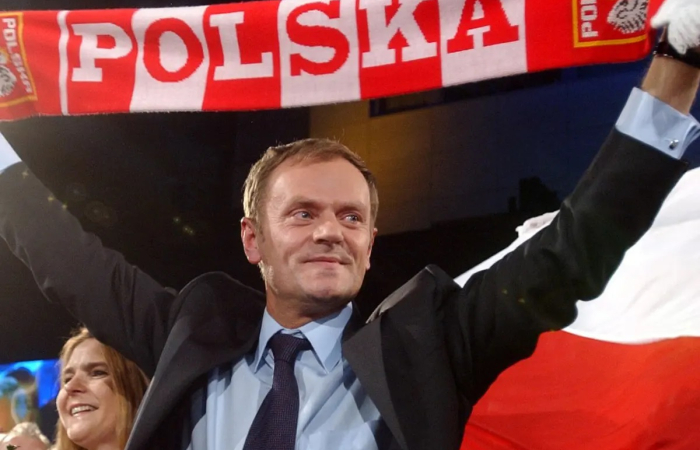
Europe is rattled by events in Venezuela, and there are serious concerns that US disregard for international law may have consequences close to home.  The BBC diplomatic correspondent, James Landale, said, the question is how Europe may respond in the longer term to America's military operation in Venezuela. Will it provide a catalyst for the continent to take greater responsibility for its own security in the face of so much instability from what many see as an unreliable ally? Polish prime minister, Donald Tusk, appears to have answered the question, saying on social media: "No-one will take seriously a weak and divided Europe: neither enemy nor ally. It is already clear now. "We must finally believe in our own strength, we must continue to arm ourselves, we must stay united like never before. One for all, and all for one. Otherwise, we are finished." The US seizing of Venezuela's leader has faced strong criticism from both America's friends and foes at an emergency meeting of the United Nations Security Council, held on Monday, 5 January. Many member states agreed with the US that Nicolás Maduro had been an illegitimate and repressive leader. But many also condemned the US military action as a breach of international law and the UN Charter, and they demanded a democratic transition that reflected the will of the Venezuelan people. (click the image to read the full article).

Popular

Editor's choice
News
Donald Tusk: "One for all, and all for one! Otherwise we are finished."

Donald Tusk: "One for all, and all for one! Otherwise we are finished."

Europe is rattled by events in Venezuela, and there are serious concerns that US disregard for international law may have consequences close to home.  The BBC diplomatic correspondent, James Landale, said, the question is how Europe may respond in the longer term to America's military operation in Venezuela. Will it provide a catalyst for the continent to take greater responsibility for its own security in the face of so much instability from what many see as an unreliable ally? Polish prime minister, Donald Tusk, appears to have answered the question, saying on social media: "No-one will take seriously a weak and divided Europe: neither enemy nor ally. It is already clear now. "We must finally believe in our own strength, we must continue to arm ourselves, we must stay united like never before. One for all, and all for one. Otherwise, we are finished." The US seizing of Venezuela's leader has faced strong criticism from both America's friends and foes at an emergency meeting of the United Nations Security Council, held on Monday, 5 January. Many member states agreed with the US that Nicolás Maduro had been an illegitimate and repressive leader. But many also condemned the US military action as a breach of international law and the UN Charter, and they demanded a democratic transition that reflected the will of the Venezuelan people. (click the image to read the full article).