


ОБСЕ вмешалось в разрешение вопроса с мертвыми телами в зоне карабахского конфликта

Прямое вмешательство Специального представителя председателя ОБСЕ и большинства его сотрудников стало необходимо в последние дни, чтобы способствовать своевременную репатриацию тел погибших азербайджанских солдат в зоне карабахского конфликта. Солдаты, по-видимому были убиты в ходе инцидентов, произошедших в минувшие выходные при обстоятельствах, версию которых стороны в карабахском конфликте трактуют по-разному.

В среду на сайте ОБСЕ было опубликовано краткое заявление посла Анджейя Каспршика, личного представителя действующего председателя ОБСЕ, "о конфликте, решением которого занимается Минская конференция ОБСЕ" - термин иногда используемый в документах ОБСЕ для описания карабахского конфликта. В заявлении говорится:

"По просьбе сторон, в понедельник, 27 февраля, при полной мобилизации моих сотрудников была проведена гуманитарная операция по извлечению останков азербайджанских военнослужащих с сильно заминированной ничейной земли. Целью нашего присутствия было обеспечение строгого соблюдения режима прекращения огня сторонами путем гарантий безопасности, а также гарантировать, что операция будет проведена по согласованию между сторонами. Я хотел бы подчеркнуть, что мой персонал последовательно получал поддержку со стороны командиров на местах, а также представителей военных. При их поддержке, а также с Международным комитетом Красного Креста, операция была успешно завершена во второй половине дня".

Вмешательство привело к прекращению спекуляции по поводу мертвых тел на ничейной земле между Арменией и Азербайджаном, что в последнее время не редкость в контексте карабахского конфликта.

источник: commonspace.eu по материалам osce.org

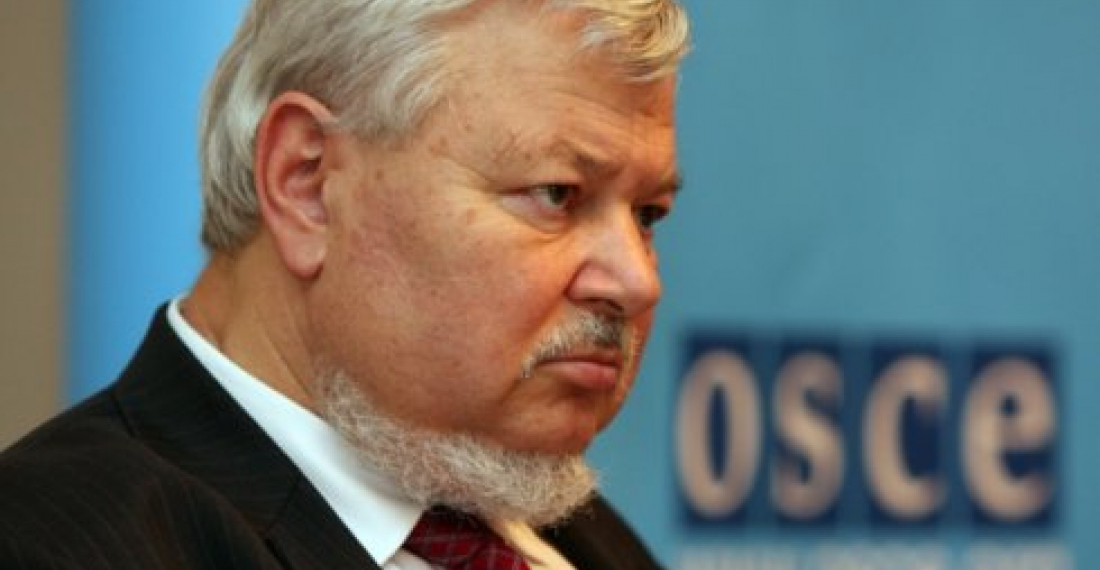
фото: Посол Анджей Каспршик, личный представитель действующего председателя ОБСЕ (фото из архива)


Related articles

Editor's choice
News
The British prime minister says Europe must "stand on its own two feet" when it comes to defence

The British prime minister says Europe must "stand on its own two feet" when it comes to defence

The UK will deploy a carrier strike group, led by the aircraft carrier HMS Prince of Wales to the Arctic and the High North as part of efforts to bolster security against Russian threats. British prime minister, Sir Keir Starmer announced the deployment in a speech on Saturday (14 February) at the Munich Security Conference. Europe must be ready to fight to protect its people, values, and way of life,  Sir Keir told the Conference. Starmer also called for deeper links and cooperation, including economic ties, between the UK and EU. The PM stressed the continent must "stand on its own two feet" when it comes to defence commitments. "We must build our hard power, because that is the currency of the age," he told the conference. (Click image to read the full story).

Popular

Editor's choice
Interview
Thursday Interview: Murad Muradov

Thursday Interview: Murad Muradov

Today, commonspace.eu starts a new regular weekly series. THURSDAY INTERVIEW, conducted by Lauri Nikulainen, will host  persons who are thinkers, opinion shapers, and implementors in their countries and spheres. We start the series with an interview with Murad Muradov, a leading person in Azerbaijan's think tank community. He is also the first co-chair of the Action Committee for a new Armenian-Azerbaijani Dialogue. Last September he made history by being the first Azerbaijani civil society activist to visit Armenia after the 44 day war, and the start of the peace process. Speaking about this visit Murad Muradov said: "My experience was largely positive. My negative expectations luckily didn’t play out. The discussions were respectful, the panel format bringing together experts from Armenia, Azerbaijan, and Turkey was particularly valuable during the NATO Rose-Roth Seminar in Yerevan, and media coverage, while varied in tone, remained largely constructive. Some media outlets though attempted to represent me as more of a government mouthpiece than an independent expert, which was totally misleading.  Overall, I see these initiatives as important steps in rebuilding trust and normalising professional engagement. The fact that soon a larger Azerbaijani civil society visits to Armenia followed, reinforces the sense that this process is moving in the right direction." (click the image to read the interview in full)

