


Монастырь, который стал горячей точкой

Комментарий

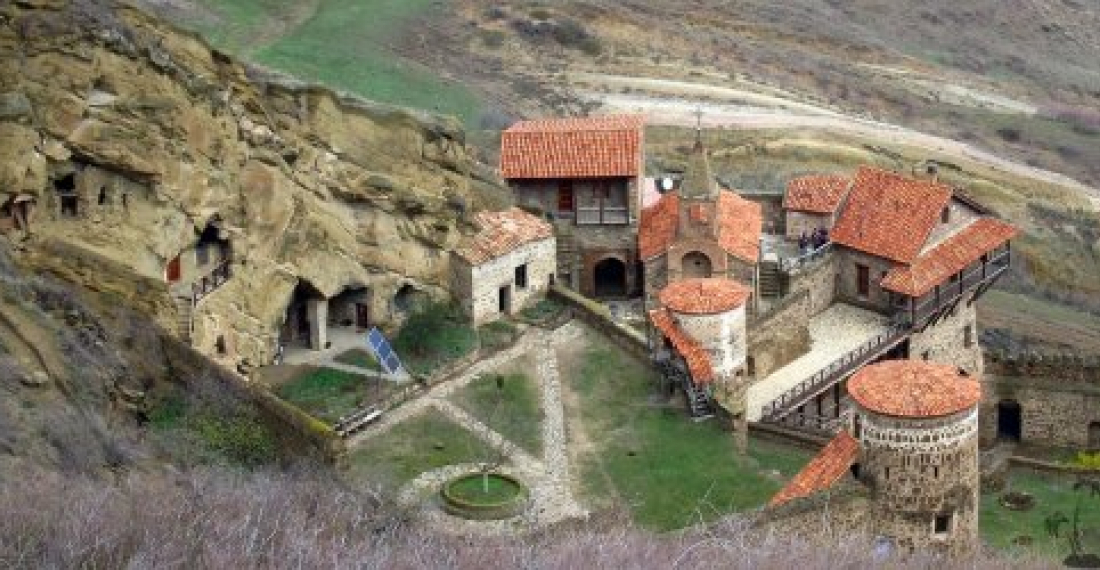
В понедельник, 15 июля, в непосредственной близости от монастыря Давид Гареджи, который находится на спорном участке грузино-азербайджанской границы, произошел еще один инцидент. Монастырь превратился из места поклонения в горячую точку, где грузинские религиозные фанатики пытались заявить о своей претензии на эту землю, а азербайджанские пограничники их остановили.

Эта история продолжается с момента распада СССР в 1991 году, когда несколько неопределенное разграничение границ между различными советскими республиками стало давать о себе знать. С тех пор Грузия и Азербайджан работали над этим вопросом, и большая часть границы между двумя странами теперь определена и согласована. Некоторые места, такие как территория вокруг монастыря, остаются спорными.

Грузино-азербайджанские отношения традиционно были теплыми, иногда даже образцовыми. Но в этом пограничном споре есть все, что может испортить отношения. И кажется, что есть те, кто хочет это сделать.

После вчерашнего инцидента и Грузия, и Азербайджан выступили с заявлениями, в которых подчеркивалось грузино-азербайджанское стратегическое партнерство и отношения. Оба правительства хотят решить вопрос путем переговоров. Тем не менее, МИД Азербайджана счел, что ему необходимо еще больше драматизировать манеры, формально вызвав посла Грузии. Заявление грузинского министерства выглядит более примирительным, с призывом к сдержанности.

Весьма вероятно, что радикалы в Грузии пытаются превратить проблему Давида Гареджи в кризис. Если это так, их нужно осудить. Однако также возможно, что некоторые официальные лица в Азербайджане могут слишком остро реагировать. Их также нужно сдерживать. И Азербайджан, и Грузия должны уважать границы, которые они уже согласовали, и действовать быстро, но решительно, чтобы решить то, что не удалось пока еще. На Южном Кавказе уже слишком много споров и проблем. Спор между Азербайджаном и Грузией не является ни необходимостью, ни неизбежностью, и он не входит в чьи-либо интересы.

источник: commonspace.eu

фото: Комплекс монастыря Давид Гареджи на спорном участке азербайджано-грузинской границы

Related articles

Editor's choice
News
Borrell tells the European Parliament that the situation in Afghanistan was critical, but the EU will remain engaged

Borrell tells the European Parliament that the situation in Afghanistan was critical, but the EU will remain engaged

Borrell underlined that the European Union will make every effort to support the peace process and to remain a committed partner to the Afghan people. "Of course, we will have to take into account the evolving situation, but disengagement is not an option.  We are clear on that: there is no alternative to a negotiated political settlement, through inclusive peace talks.
Editor's choice
News
Germany accuses Russia of cyberattacks and disinformation campaign

Germany accuses Russia of cyberattacks and disinformation campaign

The German government holds Russia responsible for a cyberattack on German air traffic control, and for targeted disinformation campaigns before the last federal election. According to the German Foreign Office in Berlin, the incidents could be clearly attributed to the Russian military intelligence service, the GRU. In response, the Russian ambassador to Berlin was summoned to the Foreign Ministry. "We have been observing a massive increase in threatening hybrid activities by Russia for some time now," a spokesperson for the Foreign Ministry stated. These range from disinformation campaigns and espionage to cyberattacks and sabotage attempts. The aim is to divide society, sow distrust, and undermine confidence in democratic institutions. The spokesperson added that with these actions, Russia is "very concretely threatening our security, not only through its war of aggression against Ukraine, but also here in Germany."  The Foreign Ministry spokesperson explained that the cyberattack on air traffic control in August 2024 was clearly attributed to the hacker collective "APT28," known as "Fancy Bear," and to the responsibility of the Russian military intelligence service, the GRU. Furthermore, it could now be "conclusively stated" that Russia had attempted "to influence and destabilize both the last Federal election and the ongoing internal affairs of the Federal Republic of Germany." There was "absolutely irrefutable evidence" for this". The so-called "Storm 1516" campaign, which has been running since 2024, is allegedly backed by "reliable information" that the Moscow-based think tank "Center for Geopolitical Expertise" is behind it. The Center is also said to be supported by Russian military intelligence. Its primary aim is to influence democratic elections in the West. (Click the image to read more).

Popular

Editor's choice
News
Germany accuses Russia of cyberattacks and disinformation campaign

Germany accuses Russia of cyberattacks and disinformation campaign

The German government holds Russia responsible for a cyberattack on German air traffic control, and for targeted disinformation campaigns before the last federal election. According to the German Foreign Office in Berlin, the incidents could be clearly attributed to the Russian military intelligence service, the GRU. In response, the Russian ambassador to Berlin was summoned to the Foreign Ministry. "We have been observing a massive increase in threatening hybrid activities by Russia for some time now," a spokesperson for the Foreign Ministry stated. These range from disinformation campaigns and espionage to cyberattacks and sabotage attempts. The aim is to divide society, sow distrust, and undermine confidence in democratic institutions. The spokesperson added that with these actions, Russia is "very concretely threatening our security, not only through its war of aggression against Ukraine, but also here in Germany."  The Foreign Ministry spokesperson explained that the cyberattack on air traffic control in August 2024 was clearly attributed to the hacker collective "APT28," known as "Fancy Bear," and to the responsibility of the Russian military intelligence service, the GRU. Furthermore, it could now be "conclusively stated" that Russia had attempted "to influence and destabilize both the last Federal election and the ongoing internal affairs of the Federal Republic of Germany." There was "absolutely irrefutable evidence" for this". The so-called "Storm 1516" campaign, which has been running since 2024, is allegedly backed by "reliable information" that the Moscow-based think tank "Center for Geopolitical Expertise" is behind it. The Center is also said to be supported by Russian military intelligence. Its primary aim is to influence democratic elections in the West. (Click the image to read more).


