


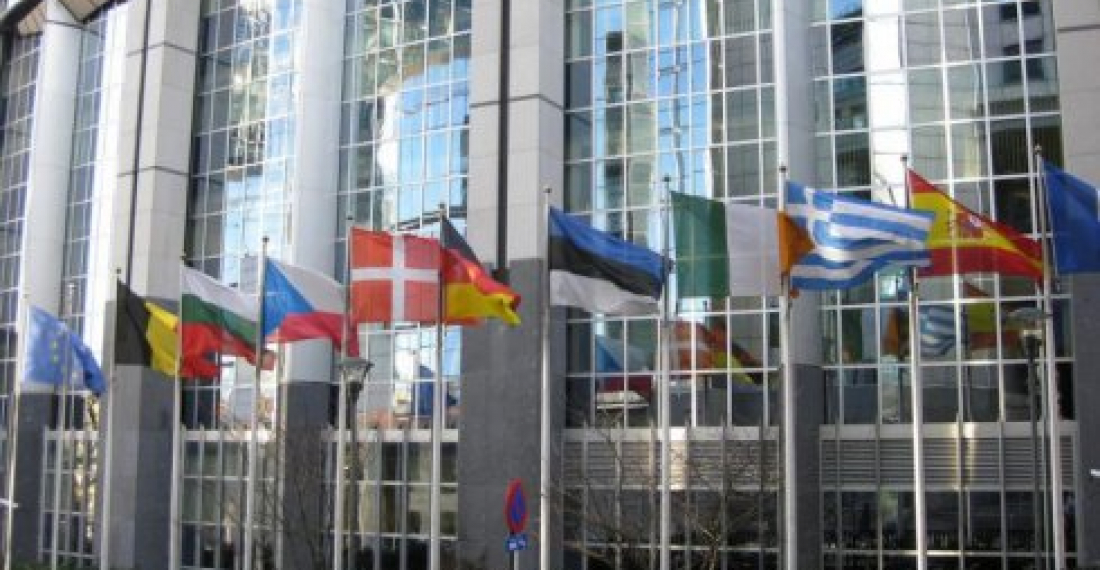
Европейский Парламент обсуждает пути усиления поддержки стран Восточного партнерства

Члены Европарламента предлагают создать целевые фонды для Украины, Грузии и Молдовы в преддверии 5-го саммита Восточного партнерства, который состоится в Брюсселе 24 ноября 2017 года.

По мнению депутатов Европарламента, целевые фонды для ведущих стран Восточного партнерства могут быть сосредоточенны на частных и государственных инвестициях для поддержки социальной и экономической инфраструктуры. Эта мера была одним из ряда предложений, принятых на заседании Комитета по иностранным делам Европарламента во вторник (10 октября). Резолюция по рекомендациям для Восточного партнерства была принята 40 голосами против 6, при 1 воздержавшемся. Ожидается, что по проекту текста проголосуют в ходе пленарного заседания парламента на его ноябрьской сессии в Страсбурге.

Депутаты Европарламента также предлагают расширенный формат дальнейшего сотрудничества "EaP+" - модель, которая предусматривает участие восточных партнеров в таможенном, энергетическом и цифровом союзе и даже в Шенгенской зоне, а также отмену тарифов на мобильный роуминг.

По мнению Комитета по иностранным делам, укрепление экономических реформ поможет ликвидировать монополии, ограничивая роль олигархов и поможет в борьбе с отмыванием денег и уклонением от уплаты налогов.

"Саммит Восточного партнерства должен придать новую динамику, сформулировать четкое политическое видение и оставаться актуальным для всех шести восточных партнеров, которые имеют разные устремления. Мы предлагаем привлекательную долгосрочную модель "EaP+" для ассоциированных стран, которые добились существенного прогресса в осуществлении реформ," - сообщила содокладчик Лайма Андрикене из Европейской народной партии.

"Восточное партнерство - это нечто большее, чем подписание соглашений на двухгодичных саммитах, а именно поддержка восточноевропейских партнеров ЕС в осуществлении важных реформ в области демократии, верховенства закона и основных свобод. Мы хотим добиться большего прогресса в проведении реформ и улучшения реализация ранее согласованных инициатив," - добавил Кнут Флекенштейн, докладчик от группы "Социалисты и демократы".

 

Related articles

Editor's choice
News
Key European countries back Denmark in the face of Trump's continuing insistence on taking over Greenland

Key European countries back Denmark in the face of Trump's continuing insistence on taking over Greenland

 Six major European countries have declared their support to Denmark following renewed insistence by the US that it must have control over Greenland. "Greenland belongs to its people, and only Denmark and Greenland can decide on matters concerning their relations," said the leaders of the UK, France, Germany, Italy, Poland, and Spain, in a joint statement, issued on Tuesday (6 January), together with Denmark. On Sunday, Donald Trump said the US "needed" Greenland - a semi-autonomous region of fellow Nato member Denmark - for security reasons. He has refused to rule out the use of force to take control of the territory, and Danish Prime Minister Mette Frederiksen warned on Monday that an attack by the US would spell the end of Nato. The issue of Greenland's future resurfaced in the wake of the US military intervention in Venezuela, during which elite troops went in to seize the country's President Nicolás Maduro and take him to face drugs and weapons charges in New York. Following the raid, Trump said the US would "run" Venezuela for an unspecified period of time. He also said the US was returning to an 1823 policy of US supremacy in its sphere of influence in the Western hemisphere - and he warned a number of countries the US could turn its attention to them. The US military raid in Venezuela has reignited fears that the US may consider using force to secure control of Greenland. A day after the raid, Katie Miller - the wife of one of Trump's senior aides - posted on social media a map of Greenland in the colours of the American flag, alongside the word "SOON". On Monday, her husband Stephen Miller said it was "the formal position of the US government that Greenland should be part of the US". In an interview with CNN, he also said the US "is the power of Nato. For the US to secure the Arctic region, to protect and defend Nato and Nato interests, obviously Greenland should be part of the US." Asked repeatedly whether the US would rule out using force to annex it, Miller responded: "Nobody's going to fight the US over the future of Greenland." Stressing they were as keen as the US in Arctic security, the seven European signatories of Tuesday's joint statement said this must be achieved by Nato allies, including the US "collectively" - whilst "upholding the principles of the UN Charter, including sovereignty, territorial integrity and the inviolability of borders". Greenland's Prime Minister Jens-Frederik Nielsen welcomed the statement and called for "respectful dialogue". "The dialogue must take place with respect for the fact that Greenland's status is rooted in international law and the principle of territorial integrity," Nielsen said. Trump has claimed that making Greenland part of the US would serve American security interests due to its strategic location and its abundance of minerals critical to high-tech sectors. Greenland, which has a population of 57,000 people, has had extensive self-government since 1979, though defence and foreign policy remain in Danish hands. While most Greenlanders favour eventual independence from Denmark, opinion polls show overwhelming opposition to becoming part of the US.

Popular

