


ЕС призывает Армению и Азербайджан прекратить их вооруженное противостояние

Верховный представитель ЕС Джозеп Боррелл в понедельник (13 июля) говорил с министрами иностранных дел двух стран, обосновав необходимость разрядки напряженности и прекращения огня.

Европейский Союз выразил обеспокоенность в связи с инцидентами на международной границе между Арменией и Азербайджаном, с применением тяжелых вооружений, что, к сожалению, привело к гибели людей.

В своем заявлении ЕС призвал обе стороны прекратить вооруженную конфронтацию, воздерживаться от действий и риторики, которые провоцируют напряженность, и принять немедленные меры для предотвращения дальнейшей эскалации. Он добавил, что в этом контексте обе стороны должны использовать свой механизм прямого общения, установленный формат во главе с сопредседателями Минской группы ОБСЕ, а также личным представителем действующего председателя ОБСЕ. Это серьезное нарушение прекращения огня подчеркивает настоятельную необходимость возобновления мониторинга ОБСЕ на местах, как только позволят условия, говорится в заявлении.

ЕС призвал стороны неукоснительно соблюдать соглашение о прекращении огня, направлять энергию и ресурсы на борьбу с пандемией коронавируса, активно участвовать в предметных переговорах под эгидой сопредседателей Минской группы ОБСЕ и готовить свое население к миру.

Тем временем в понедельник верховный представитель ЕС по иностранным делам и политике безопасности Джозеп Боррелл поговорил с министрами иностранных дел Армении и Азербайджана о необходимости разрядить напряженность и прекратить огонь. Позже он написал в Твиттере:

Разговаривал этим вечером @ZMnatsakanyan @MFAofArmenia & Elmar Mammadyarov @AzerbaijanMFA. Подчеркнута необходимость разрядить напряженность и прекратить огонь.

Непосредственное общение между двумя сторонами имеет важное значение, и возобновление участия в предметных переговорах под сопредседателями Минской группы @OSCE https://t.co/eVVPzeRE7S

- Джозеп Боррелл Фонтеллес (@JosepBorrellF) 13 июля 2020 г.

источник: commonspace.eu по материалам пресс-службы Европейской службы внешних действий

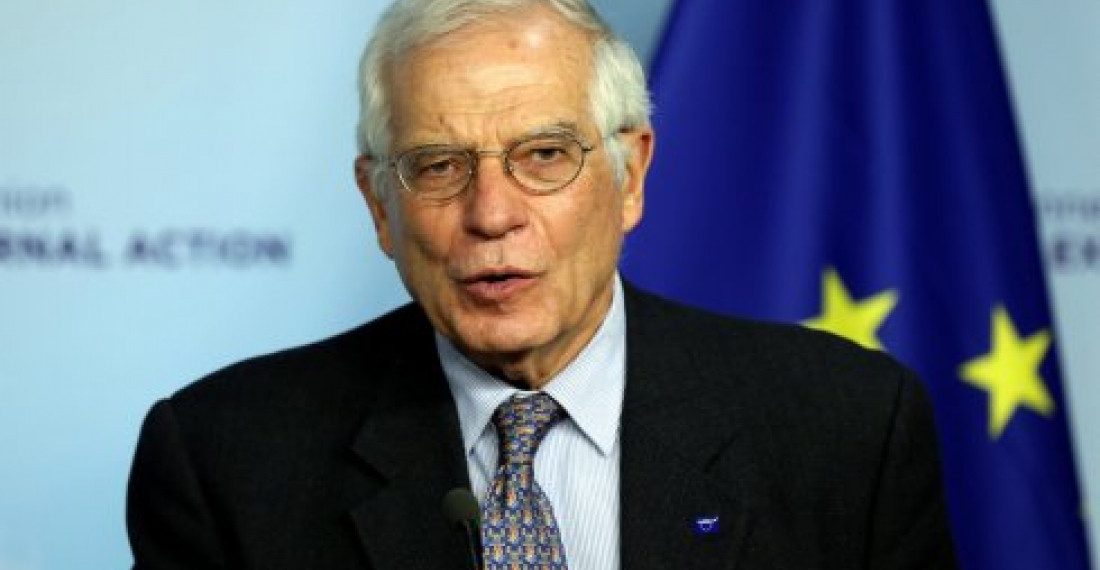
фото: Джозеп Боррелл (фото из архива)

 

Related articles

Editor's choice
News
Aden under curfew, as problem in Yemen's south deepens

Aden under curfew, as problem in Yemen's south deepens

The port city of Aden, in Yemen's south, has been put under curfew, as the rift in the country between  the Saudi led coalition which  backs Yemen's presidential governing council, and the southern forces led by the Southern Transitional Council (STC), deepens. Abdul Rahman al-Mahrami, a member of the Yemeni Presidential Governing Council and commander of the al-Amalik brigades, has ordered a curfew in the temporary capital, Aden, "to maintain security". "A curfew has been imposed throughout Aden Governorate from 9:00 p.m. to 6:00 a.m., in accordance with the instructions of Commander Abdul Rahman al-Mahrami, a member of the Presidential Management Council," the statement said. It states that only security and military personnel, as well as medical and technical teams with approved permits, will be allowed to move in the area during these hours. Yemen's presidential council, which is backed by Saudi Arabia and which already is in a struggle with the Houthi Movement in the north of the country who also occupy the capital Sanaa, two days ago issued an order for the arrest of the head of the Southern Transitional Council (STC),, Aidarous al Zubaidi. The STC have wide support among people in the South, and advocate that South Yemen restores its independence. The coalition warned of further escalation in Aden, long regarded as an STC stronghold, as the Presidential Leadership Council (PLC) chief accused STC leader Aidarous Al Zubaidi of “high treason” and announced the revocation of his membership in the governing body. The moves mark a sharp escalation in tensions within the anti-Houthi camp, despite National Shield Forces, rivals of the STC and former allies, having recently retaken control of Hadhramaut and Mahra from southern fighters. The STC’s takeover of the two regions last month angered Saudi Arabia and contributed to igniting the current internal conflict. (click the picture to read more)

Popular

Editor's choice
Analysis
Analysis: Why what happens in Greenland matters

Analysis: Why what happens in Greenland matters

The snap elections for the parliament of Greenland last Tuesday (6 April 2021) attracted unusual interest from major powers who have been watching the political and economic impact of the election results on their interests in the Arctic region. Among them, the Chinese, who have invested in the Kvanefjeld mine on the island. Maximiliaan van Lange analyses the background to the recent Greenlandic general elections, and the Island's geostrategic position in the Arctic in this article for commonspace.eu.


