Дагестану грозит пандемический кризис

Республика Дагестан на российском Северном Кавказе стала эпицентром пандемии коронавируса на фоне сообщений о росте смертности, в том числе среди врачей и медицинского персонала, и о том, что система здравоохранения сильно перегружена. Министр здравоохранения Дагестана Джамалудин Гаджиибрагимов заявил, что в республике от пневмонии умерли 657 человек, в том числе 40 медиков.

Согласно региональной статистике, всего к понедельнику было зарегистрировано 29 погибших от Covid-19 в регионе с населением 2,9 миллиона человек.

Критики обвиняют российские власти в приуменьшении кризиса и манипулировании цифрами, приписывая смерти от коронавируса так называемой внебольничной пневмонии и другим заболеваниям.

Медицинский персонал жаловался на нехватку средств защиты и тестов. По словам Абдулаева, много зараженных людей умирают дома и похоронены на традиционных массовых похоронах.

"Они похоронены по традиции, и их никто не считает", - сказал Абдулаев.

Главный священник Дагестана Муфтий Ахмад Абдулаев назвал ситуацию серьезной и попросил Кремль о помощи.

В понедельник президент Владимир Путин был вынужден лично вмешаться в масштабную эпидемию Российский северокавказский регион Дагестан, по словам местных властей, назвал ситуацию с коронавирусами «катастрофой».

"Ситуация в Республике Дагестан сложная и, конечно, требует дополнительных - и срочных - мер", - сказал Путин во время видеоконференции в понедельник (18 мая).

Путин пообещал направить помощь в Дагестан и попросил жителей не собираться на празднование Ид в ознаменование окончания Рамадана в эти выходные.

Губернатор Дагестана Владимир Васильев в понедельник защитил официальную статистику по коронавирусам региона, но пообещал «уточнить» количество смертей среди врачей в регионе.

Государственный канал «Россия 24» сообщил в понедельник, что статистика Дагестана может быть искажена, поскольку «только 3% семей согласны на вскрытие».

На сегодняшний день в России зарегистрировано 290 678 случаев заражения covid-19. и 2,722 погибших.

В понедельник президент Путин также говорил по телефону с президентом Азербайджана Ильхамом Алиевым, в ходе которого он поднял вопрос о большом количестве азербайджанцев, застрявших на российско-азербайджанской границе в Дагестане. На сайте президента России говорится, что президенты двух стран "обсудили сложную ситуацию, сложившуюся в приграничных районах Дагестана, где скопилось большое количество граждан Азербайджана, стремящихся вернуться домой. Было решено дать указания соответствующим министерствам и ведомствам двух стран, чтобы быстро решить, в сотрудничестве с региональными властями, все вопросы, связанные с этим". Сайт президента Азербайджана сообщил о телефонном разговоре, но не сделал никаких ссылок на ситуацию на границе.

источник: commonspace.eu по материалам ТАСС, Moscow Times, Кремль.ру, President.az и других агентств

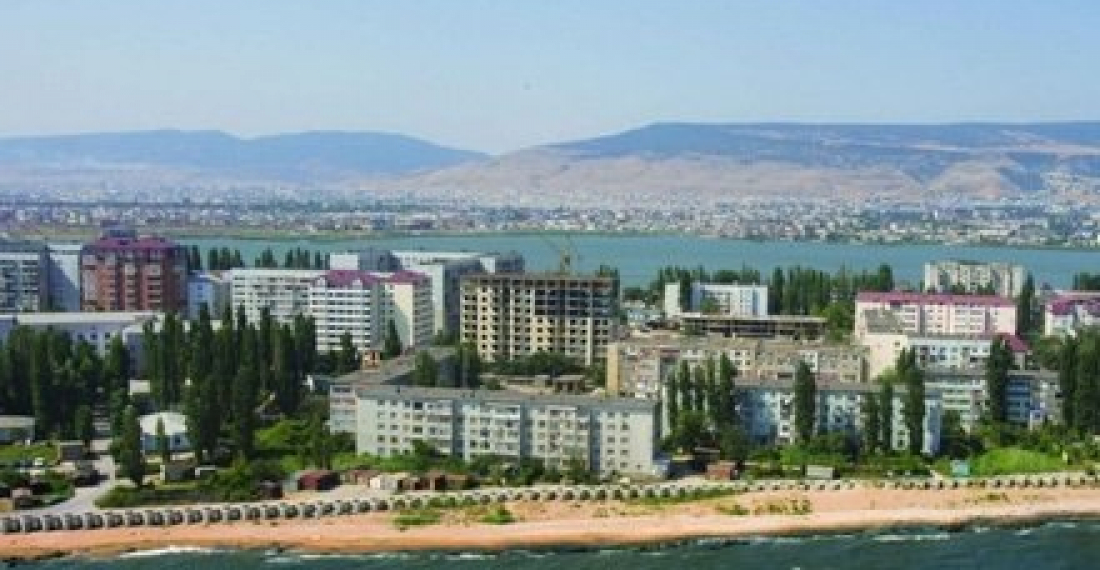
фото: столица Дагестана, Махачкала (фото из архива).

Related articles

Editor's choice
News
Borrell tells the European Parliament that the situation in Afghanistan was critical, but the EU will remain engaged

Borrell tells the European Parliament that the situation in Afghanistan was critical, but the EU will remain engaged

Borrell underlined that the European Union will make every effort to support the peace process and to remain a committed partner to the Afghan people. "Of course, we will have to take into account the evolving situation, but disengagement is not an option.  We are clear on that: there is no alternative to a negotiated political settlement, through inclusive peace talks.
Editor's choice
News
Germany accuses Russia of cyberattacks and disinformation campaign

Germany accuses Russia of cyberattacks and disinformation campaign

The German government holds Russia responsible for a cyberattack on German air traffic control, and for targeted disinformation campaigns before the last federal election. According to the German Foreign Office in Berlin, the incidents could be clearly attributed to the Russian military intelligence service, the GRU. In response, the Russian ambassador to Berlin was summoned to the Foreign Ministry. "We have been observing a massive increase in threatening hybrid activities by Russia for some time now," a spokesperson for the Foreign Ministry stated. These range from disinformation campaigns and espionage to cyberattacks and sabotage attempts. The aim is to divide society, sow distrust, and undermine confidence in democratic institutions. The spokesperson added that with these actions, Russia is "very concretely threatening our security, not only through its war of aggression against Ukraine, but also here in Germany."  The Foreign Ministry spokesperson explained that the cyberattack on air traffic control in August 2024 was clearly attributed to the hacker collective "APT28," known as "Fancy Bear," and to the responsibility of the Russian military intelligence service, the GRU. Furthermore, it could now be "conclusively stated" that Russia had attempted "to influence and destabilize both the last Federal election and the ongoing internal affairs of the Federal Republic of Germany." There was "absolutely irrefutable evidence" for this". The so-called "Storm 1516" campaign, which has been running since 2024, is allegedly backed by "reliable information" that the Moscow-based think tank "Center for Geopolitical Expertise" is behind it. The Center is also said to be supported by Russian military intelligence. Its primary aim is to influence democratic elections in the West. (Click the image to read more).

Popular

Editor's choice
News
Germany accuses Russia of cyberattacks and disinformation campaign

Germany accuses Russia of cyberattacks and disinformation campaign

The German government holds Russia responsible for a cyberattack on German air traffic control, and for targeted disinformation campaigns before the last federal election. According to the German Foreign Office in Berlin, the incidents could be clearly attributed to the Russian military intelligence service, the GRU. In response, the Russian ambassador to Berlin was summoned to the Foreign Ministry. "We have been observing a massive increase in threatening hybrid activities by Russia for some time now," a spokesperson for the Foreign Ministry stated. These range from disinformation campaigns and espionage to cyberattacks and sabotage attempts. The aim is to divide society, sow distrust, and undermine confidence in democratic institutions. The spokesperson added that with these actions, Russia is "very concretely threatening our security, not only through its war of aggression against Ukraine, but also here in Germany."  The Foreign Ministry spokesperson explained that the cyberattack on air traffic control in August 2024 was clearly attributed to the hacker collective "APT28," known as "Fancy Bear," and to the responsibility of the Russian military intelligence service, the GRU. Furthermore, it could now be "conclusively stated" that Russia had attempted "to influence and destabilize both the last Federal election and the ongoing internal affairs of the Federal Republic of Germany." There was "absolutely irrefutable evidence" for this". The so-called "Storm 1516" campaign, which has been running since 2024, is allegedly backed by "reliable information" that the Moscow-based think tank "Center for Geopolitical Expertise" is behind it. The Center is also said to be supported by Russian military intelligence. Its primary aim is to influence democratic elections in the West. (Click the image to read more).