


Баку реагирует на речь Пашиняна в Нагорном Карабахе

МИД Азербайджана вчера (6 августа) опубликовал заявление в ответ на выступление премьер-министра Армении Никол Пашиняна в понедельник (5 августа) в Степанакерте. Заявление МИД обвиняет «агрессивные заявления» премьер-министра в «явном [противоречии] духу и сути переговоров по урегулированию армяно-азербайджанского нагорно-карабахского конфликта, которые велись в течение многих лет, в том числе недавних обсуждений встреч между Арменией и Азербайджаном».

В заявлении говорится, что речь является «серьезным ударом по переговорному процессу при посредничестве сопредседателей Минской группы ОБСЕ» и что слова премьер-министра не соответствуют призыву Армении к «исключительному мирному урегулированию конфликта».

Заявление МИД также каснулось целей развития Армении до 2050 года, о которых Пашинян заявил во время выступления в понедельник, заявив, что страна не сможет «достичь своих амбиций в течение следующих 30 лет, скрываясь за своей агрессивной политикой». Он обвинил армянское руководство в использовании этих целей для обмана армянского народа, при этом выступив за то, чтобы Армения «[оценила] текущую ситуацию и [нормализовала] свои отношения с соседними странами».

МИД Армении отреагировал на заявление МИД Азербайджана, раскритиковав его как «яркую демонстрацию несоблюдения основных правил вежливости и порядочности, неспособности поддерживать цивилизованные нормы поведения между народами, особенно между сторонами вовлеченными на высшем уровне в очень сложный и деликатный процесс разрешения конфликта». В ответном заявлении МИД Азербайджана обвинилb в "нападках личного характера" и "в поощряемой властями Азербайджана нетерпимости и ненависти".

МИД Армении также обвинил азербайджанцев в том, что они «не понимают контекста и содержания» речи, отстаивая риторику Пашиняна как «общеармянскую повестку дня по продвижению единства, солидарности, развития и процветания для Армении, Арцаха и диаспоры». «Армения является единственным гарантом народа Арцаха в деле обеспечения его прав» - сказано в заявлении. Оно подтверждает неизменную приверженность Армении «строго мирному урегулированию конфликта», но любое решение «должно быть приемлемым для народов Арцаха, Армении и Азербайджана».

Вчера начальник управления по внешней политике Администрации президента Азербайджана Хикмет Гаджиев сказал: «Делая это деструктивное и провокационное заявление, армянская сторона вновь ставит регион лицом к лицу с угрозами и рисками и намеренно обостряет ситуация, чтобы отвлечь внимание общественности от своих внутренних проблем». Гаджиев обвинил Пашиняна в противоречии с его «недавними заявлениями о том, что он «не может говорить от имени Нагорного Карабаха» и в введении в заблуждение международного сообщества на переговорах.

Наблюдатели обеспокоены тем, что такое развитие может подорвать возможность того, что новое правительство Пашиняна сможет продвинуться вперед в нагорно-карабахском мирном процессе, и что это может повысить вероятность «случайной войны», поскольку Азербайджан отказывается от веры в мирное урегулирование конфликта.

источники: commonspace.eu и другие агентства

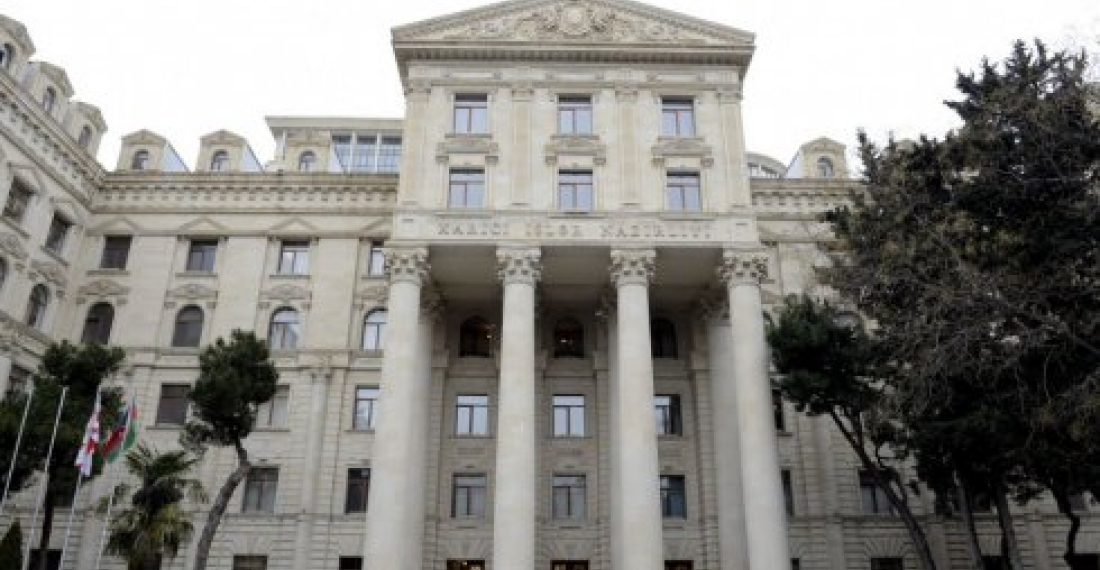
фото: МИД Азербайджана (фото любезно предоставлено сайтом Азертаг)

Related articles

Editor's choice
News
Key European countries back Denmark in the face of Trump's continuing insistence on taking over Greenland

Key European countries back Denmark in the face of Trump's continuing insistence on taking over Greenland

 Six major European countries have declared their support to Denmark following renewed insistence by the US that it must have control over Greenland. "Greenland belongs to its people, and only Denmark and Greenland can decide on matters concerning their relations," said the leaders of the UK, France, Germany, Italy, Poland, and Spain, in a joint statement, issued on Tuesday (6 January), together with Denmark. On Sunday, Donald Trump said the US "needed" Greenland - a semi-autonomous region of fellow Nato member Denmark - for security reasons. He has refused to rule out the use of force to take control of the territory, and Danish Prime Minister Mette Frederiksen warned on Monday that an attack by the US would spell the end of Nato. The issue of Greenland's future resurfaced in the wake of the US military intervention in Venezuela, during which elite troops went in to seize the country's President Nicolás Maduro and take him to face drugs and weapons charges in New York. Following the raid, Trump said the US would "run" Venezuela for an unspecified period of time. He also said the US was returning to an 1823 policy of US supremacy in its sphere of influence in the Western hemisphere - and he warned a number of countries the US could turn its attention to them. The US military raid in Venezuela has reignited fears that the US may consider using force to secure control of Greenland. A day after the raid, Katie Miller - the wife of one of Trump's senior aides - posted on social media a map of Greenland in the colours of the American flag, alongside the word "SOON". On Monday, her husband Stephen Miller said it was "the formal position of the US government that Greenland should be part of the US". In an interview with CNN, he also said the US "is the power of Nato. For the US to secure the Arctic region, to protect and defend Nato and Nato interests, obviously Greenland should be part of the US." Asked repeatedly whether the US would rule out using force to annex it, Miller responded: "Nobody's going to fight the US over the future of Greenland." Stressing they were as keen as the US in Arctic security, the seven European signatories of Tuesday's joint statement said this must be achieved by Nato allies, including the US "collectively" - whilst "upholding the principles of the UN Charter, including sovereignty, territorial integrity and the inviolability of borders". Greenland's Prime Minister Jens-Frederik Nielsen welcomed the statement and called for "respectful dialogue". "The dialogue must take place with respect for the fact that Greenland's status is rooted in international law and the principle of territorial integrity," Nielsen said. Trump has claimed that making Greenland part of the US would serve American security interests due to its strategic location and its abundance of minerals critical to high-tech sectors. Greenland, which has a population of 57,000 people, has had extensive self-government since 1979, though defence and foreign policy remain in Danish hands. While most Greenlanders favour eventual independence from Denmark, opinion polls show overwhelming opposition to becoming part of the US.

Popular


