Азербайджан предупреждает о надвигающейся провокации на границе с Грузией

В весьма необычном заявлении Государственная пограничная служба Азербайджана выступила с предупреждением о надвигающемся нарушении границы гражданами Грузии.

"4 июня была получена информация о том, что группа граждан Грузии совершит провокационные действия, нарушающие государственную границу на территории государственного историко-культурного заповедника «Кешикчидаг» на азербайджано-грузинской государственной границе. Пограничной службе Грузии официально сообщили о полученной информации", сообщили азербайджанским СМИ в пресс-центре Государственной пограничной службы. Государственная пограничная служба официально заявляет, что любая провокация на государственной границе будет решительно предотвращена, и организаторы провокации будут нести ответственность за возможные последствия".

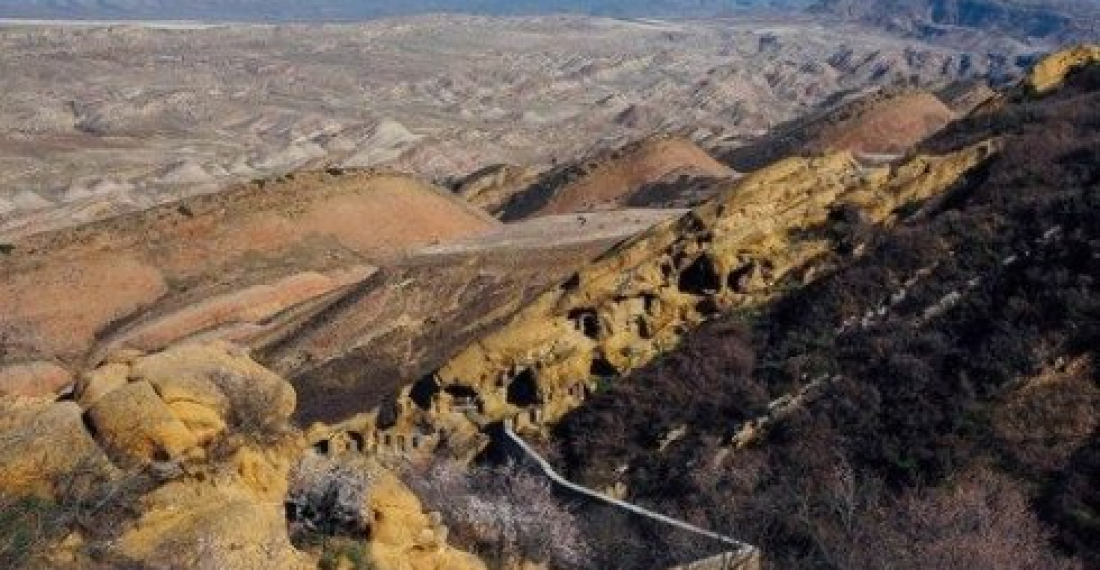
В прошлом имели место инциденты возле монастырского комплекса Давида Гареджи, который расположен на границе и который является священным местом для Грузинской православной церкви. Он расположен на плато Иори недалеко от границы Грузии и Азербайджана. Он включает в себя комплекс из 19 средневековых монастырей с примерно 5000 кельями для монахов.

Некоторые участки грузино-азербайджанской границы остаются спорными, и дискуссии между правительствами двух стран о разграничении границы, по-видимому, в последние годы не достигли значительного прогресса.

Грузия и Азербайджан в целом имели хорошие отношения с момента восстановления своей независимости в 1991 году, но пограничные проблемы входят в число вопросов, вызывающих напряженность, и есть опасения, что некоторые элементы могут попытаться спровоцировать инциденты.

источник: commonspace.eu по материалам агентств

фото: Монастырский комплекс Давида Гареджи (фотография из архива)
 

Related articles

Editor's choice
News
The British prime minister says Europe must "stand on its own two feet" when it comes to defence

The British prime minister says Europe must "stand on its own two feet" when it comes to defence

The UK will deploy a carrier strike group, led by the aircraft carrier HMS Prince of Wales to the Arctic and the High North as part of efforts to bolster security against Russian threats. British prime minister, Sir Keir Starmer announced the deployment in a speech on Saturday (14 February) at the Munich Security Conference. Europe must be ready to fight to protect its people, values, and way of life,  Sir Keir told the Conference. Starmer also called for deeper links and cooperation, including economic ties, between the UK and EU. The PM stressed the continent must "stand on its own two feet" when it comes to defence commitments. "We must build our hard power, because that is the currency of the age," he told the conference. (Click image to read the full story).

Popular

Editor's choice
Interview
Thursday Interview: Murad Muradov

Thursday Interview: Murad Muradov

Today, commonspace.eu starts a new regular weekly series. THURSDAY INTERVIEW, conducted by Lauri Nikulainen, will host  persons who are thinkers, opinion shapers, and implementors in their countries and spheres. We start the series with an interview with Murad Muradov, a leading person in Azerbaijan's think tank community. He is also the first co-chair of the Action Committee for a new Armenian-Azerbaijani Dialogue. Last September he made history by being the first Azerbaijani civil society activist to visit Armenia after the 44 day war, and the start of the peace process. Speaking about this visit Murad Muradov said: "My experience was largely positive. My negative expectations luckily didn’t play out. The discussions were respectful, the panel format bringing together experts from Armenia, Azerbaijan, and Turkey was particularly valuable during the NATO Rose-Roth Seminar in Yerevan, and media coverage, while varied in tone, remained largely constructive. Some media outlets though attempted to represent me as more of a government mouthpiece than an independent expert, which was totally misleading.  Overall, I see these initiatives as important steps in rebuilding trust and normalising professional engagement. The fact that soon a larger Azerbaijani civil society visits to Armenia followed, reinforces the sense that this process is moving in the right direction." (click the image to read the interview in full)