Азербайджан предпринял решительные меры против джихадистов

Служба государственной безопасности Азербайджана сообщила, что она расправилась с террористической группировкой, в которую входили люди, прошедшие подготовку в Афганистане, Пакистане и Сирии. В заявлении, сделанном в пятницу (11 октября), служба сообщила, что продолжает борьбу с вовлечением граждан Азербайджана под влиянием радикальных религиозных идей в террористические организации и вооруженные конфликты. Служба государственной безопасности еще раз предупредила, что лица, привлекающие граждан Азербайджана, любая форма незаконных вооруженных групп будет выявлена и привлечена к ответственности. Она призвала граждан, попавших под влияние радикальной религиозной идеологии, не вступать в такие незаконные вооруженные формирования. Служба государственной безопасности заявила, что четыре человека предстали перед судом по обвинению в различных нарушениях и находятся под превентивным арестом.

В своем заявлении служба сослалась на случай Бахрама Тагибея, гражданина Азербайджана, родившегося в 1971 году, который получил религиозное прозвище «Абу Ибрагим Дагистани» и который был взрывным специалистом, присоединившимся к джихадистским группировкам в Афганистане. В нем говорится, что в рамках международной розыскной деятельности он был задержан в Пакистане и экстрадирован в Азербайджан в октябре 2019 года.

Другой случай произошел с Бахрамом Гулалиевым, который поставлял международным террористическим организациям взрывные устройства, которые он изготовил с использованием химикатов, а также проводил обучение по изготовлению взрывных устройств в иностранных незаконных вооруженных формированиях. Он также завербовал граждан Азербайджана для участия в вооруженных конфликтах. Двое других задержанных Эльчин Гасымов и Раси Аббасов, по данным Службы государственной безопасности, воевали с джихадистскими группировками в Сирии.

источник: commonspace.eu по материалам агентств

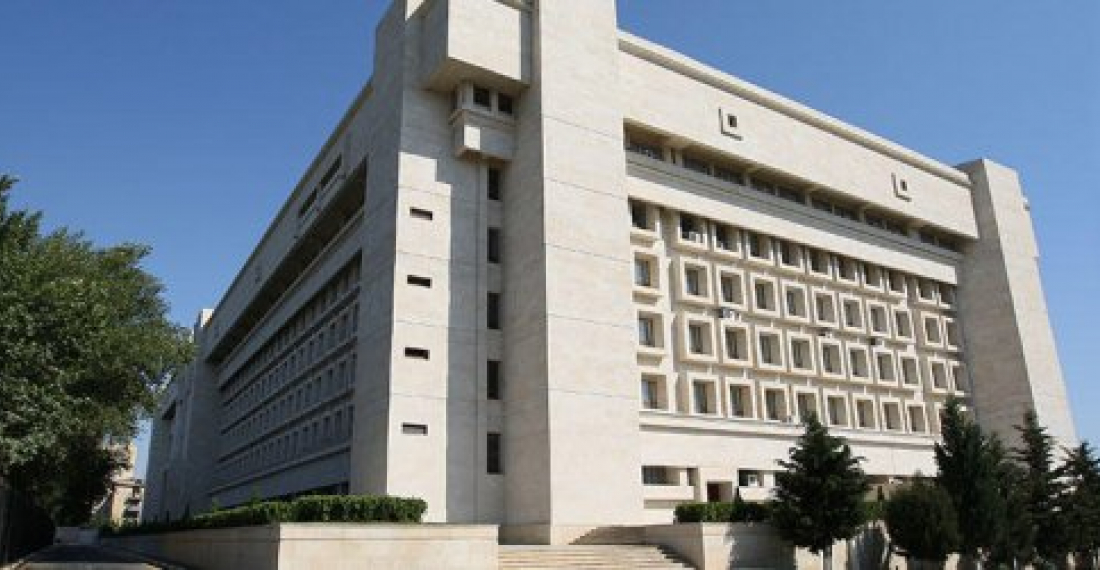
фото: Здание Службы государственной безопасности Азербайджана
 

Related articles

Editor's choice
News
The British prime minister says Europe must "stand on its own two feet" when it comes to defence

The British prime minister says Europe must "stand on its own two feet" when it comes to defence

The UK will deploy a carrier strike group, led by the aircraft carrier HMS Prince of Wales to the Arctic and the High North as part of efforts to bolster security against Russian threats. British prime minister, Sir Keir Starmer announced the deployment in a speech on Saturday (14 February) at the Munich Security Conference. Europe must be ready to fight to protect its people, values, and way of life,  Sir Keir told the Conference. Starmer also called for deeper links and cooperation, including economic ties, between the UK and EU. The PM stressed the continent must "stand on its own two feet" when it comes to defence commitments. "We must build our hard power, because that is the currency of the age," he told the conference. (Click image to read the full story).

Popular

Editor's choice
Interview
Thursday Interview: Murad Muradov

Thursday Interview: Murad Muradov

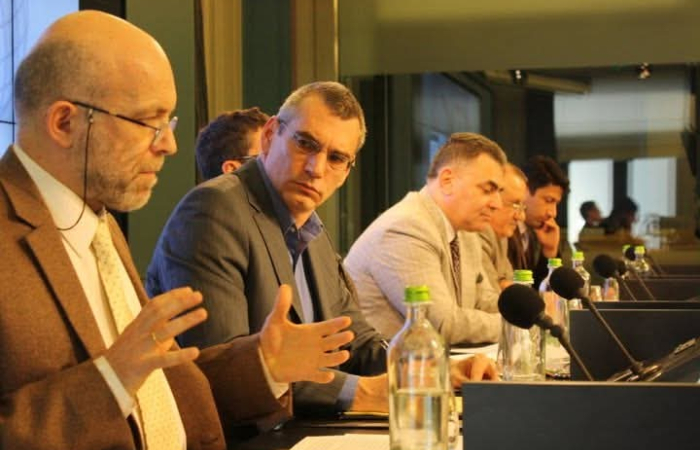
Today, commonspace.eu starts a new regular weekly series. THURSDAY INTERVIEW, conducted by Lauri Nikulainen, will host  persons who are thinkers, opinion shapers, and implementors in their countries and spheres. We start the series with an interview with Murad Muradov, a leading person in Azerbaijan's think tank community. He is also the first co-chair of the Action Committee for a new Armenian-Azerbaijani Dialogue. Last September he made history by being the first Azerbaijani civil society activist to visit Armenia after the 44 day war, and the start of the peace process. Speaking about this visit Murad Muradov said: "My experience was largely positive. My negative expectations luckily didn’t play out. The discussions were respectful, the panel format bringing together experts from Armenia, Azerbaijan, and Turkey was particularly valuable during the NATO Rose-Roth Seminar in Yerevan, and media coverage, while varied in tone, remained largely constructive. Some media outlets though attempted to represent me as more of a government mouthpiece than an independent expert, which was totally misleading.  Overall, I see these initiatives as important steps in rebuilding trust and normalising professional engagement. The fact that soon a larger Azerbaijani civil society visits to Armenia followed, reinforces the sense that this process is moving in the right direction." (click the image to read the interview in full)