


Армянские политические элиты согласовывают позиции в преддверии переговоров по Карабаху

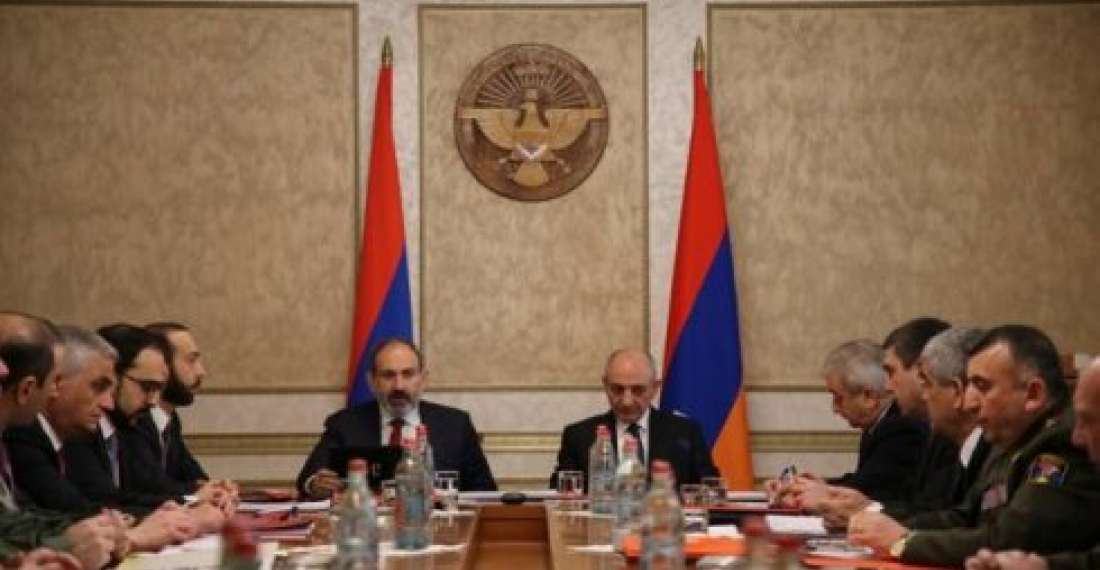
Премьер-министр Армении Никол Пашинян продвигает свое видение решения нагорно-карабахского конфликта, созвав во вторник (11 марта) в Степанакерте совместное заседание Совета национальной безопасности Армении и Совета безопасности самопровозглашенного Нагорно-Карабахской Республики. Встреча предоставила беспрецедентную возможность армянской политической элите и силовикам сравить позиции и предстать единым фронтом после нескольких недель внутренних спекуляций и путаниц в международном сообществе относительно того, каковы непосредственные цели Армении.

Встреча началась с выступления премьер-министра Пашиняна и президента НКР Бако Саакяна. Полуофициальное информационное агентство «Арменпресс» опубликовало следующий текст выступления Пашиняна:

"Позвольте мне приветствовать совместное заседание Советов безопасности Республики Армения и Республики Арцах, которое является беспрецедентным событием за все время существования наших республик. Это событие имеет очень символическое и, с другой стороны, очень конкретное значение. Оно означает, что отношения между Республикой Армения и Республикой Арцах вступают в качественно новый этап. Вопрос о том, какие другие проявления может иметь этот этап в ближайшем будущем, пожалуй, является одним из самых важных тем наших сегодняшних обсуждений.

Уважаемые коллеги,

Это мой первый после состоявшихся 9 декабря 2018 года парламентских выборов в Армении визит в Республику Арцах, и я хочу подчеркнуть, что блок "Мой шаг" на парламентских выборах получил сильный мандат от армянского народа, чтобы поднять уровень субъектности Республики Арцах и принять шаги по вовлечению Арцаха в переговорный процесс в качестве основной стороны конфликта. Это положения, которые имеют ключевое значение в предвыборной программе блока "Мой шаг".

Правительство Республики Армения и я, как получивший вотум доверия премьер-министр, предпримем последовательные шаги в этом направлении, и этот вопрос будет и впредь оставаться одним из важнейших пунктов наших переговоров с президентом Азербайджана Ильхамом Алиевым и сопредседателями Минской группы ОБСЕ. Я считаю необходимым подчеркнуть, что участие Арцаха в переговорном процессе не является для нас прихотью или, тем более, предусловием, а является просто констатацией того факта, что вовлеченность Арцаха в процесс урегулирования нагорно-карабахского конфликта имеет ключевое значение.

Эта позиция выражает наше уважение не только к народу Арцаха и его правам, но и к участвующим в переговорном процессе всем нашим партнерам, потому что мы действительно заинтересованы и хотим достичь исключительно мирного урегулирования вопроса и верим в переговорный процесс, эффективность которого для нас является приоритетом, а с точки зрения эффективности переговорного процесса этот вопрос, как я уже отметил, имеет ключевое значение.

До сих под рамки переговоров, по сути, включали в себя все заинтересованные стороны, кроме одной. В переговорах вовлечен Азербайджан в лице президента Алиева. Последний, кстати, как он сам заявляет, также представляет азербайджанскую общину Нагорного Карабаха, потому что представители этой общины, будучи гражданами Азербайджана, участвовали в президентских выборах в Азербайджане и, соответственно, дали президенту Азербайджана полномочия представлять их, следовательно, присутствие президента Азербайджана за столом переговоров также обеспечивает присутствие азербайджанцев, проживавших когда-то в Карабахе.

Республика Армения представлена на этих переговорах в лице премьер-министра, который в данном случае выступает в качестве представителя, который избран народом Республики Армения. Следовательно, народ Армении также представлен в переговорном процессе.

Международное сообщество представлено в переговорном процессе в лице сопредседателей Минской группы ОБСЕ. Все это, конечно, хорошо и чрезвычайно важно, и мы высоко ценим вклад стран-сопредседателей Минской группы ОБСЕ в процесс урегулирования. Но главный вопрос заключается в следующем: кто представляет арцахцев или, как говорят в некоторых случаях, армян Карабаха в переговорном процессе? Проблема в том, что сегодня за переговорным столом нет полномочного и легитимного представителя народа Арцаха или, как предпочитают говорить некоторые из наших коллег, нет субъекта, который имеет вотум доверия, полномочия представлять армян Карабаха.

Я неоднократно говорил, что премьер-министр Армении не может иметь таких полномочий по той простой причине, что народ Арцаха не участвует в выборах в Армении, и, следовательно, премьер-министр Армении не входит в круг лиц, уполномоченных представлять народ Арцаха. И дело тут не в прихотях и предусловиях, вопрос в простой легитимности, а легитимность является ключевым фактором современных отношений не только во внутриполитических, но и в межгосударственных и международных отношениях.

Кстати, абсурдны все комментарии о том, что Республика Армения или премьер-министр такой позицией снимают с себя ответственность и возлагают ее на власти или народ Арцаха. Чтобы избежать каких-либо спекуляций, я считаю необходимым подчеркнуть, что Республика Армения была, будет и останется гарантом номер один безопасности Арцаха и продолжит свое участие в мирном процессе.

Следующий важнейший вопрос, на который необходимо ответить, заключается в следующем: принимает ли правительство Армении предложенные Минской группой ОБСЕ три принципа и шесть элементов в качестве основы для переговорного процесса. Это действительно очень важный вопрос, но для того, чтобы ответить на этот вопрос, нам нужны важные разъяснения. А что могут означать эти принципы на практике, и кто имеет право их интерпретировать? Это важно, потому что для нас неприемлемо то, как эти принципы интерпретирует Азербайджан. Мы, конечно, можем выступить с собственной интерпретацией этих принципов, но это бессмысленно, потому что наша цель - не словесная перепалка, а эффективный переговорный процесс. И, следовательно, основой для переговорного процесса должны стать положения, не оставляющие возможностей для разночтений. Однако предложенные сопредседателями принципы и элементы за последние 10 лет стали поводом для самых разных толкований, и поэтому важнейшей целью предстоящего переговорного процесса должно быть прояснение так называемых основных трех принципов и шести элементов, и мы готовы к такому разговору.

Следующим важнейшим вопросом является подготовка народов к миру. Считаю необходимым подчеркнуть, что подготовка народов к миру не может быть задачей участвующего в переговорах одного отдельно взятого правительства, это совместная работа. Я имею в виду, например, что подготовка азербайджанского общества к миру должна происходить с участием властей не только Азербайджана, но и Армении. Именно такой подход лежал в основе сделанного осенью 2018 года в Национальном Собрании Армении моего беспрецедентного заявления о том, что любое решение карабахской проблемы должно быть приемлемым для народа Армении, народа Арцаха и народа Азербайджана. Это был мой вклад в подготовку к миру не только народа Армении и народа Арцаха, но и народа Азербайджана. К сожалению, со стороны президента Азербайджана мы не видим эквивалентных заявлений или шагов. Несмотря на это, я готов продолжить диалог не только с президентом Азербайджана, но и с народом Азербайджана, так как я убежден, что народ Азербайджана так же миролюбив, как народ Армении и народ Арцаха."

По мнению политического редактора Commonspace.eu, Никол Пашинян готовится к предстоящему саммиту с президентом Азербайджана, который, скорее всего, состоится уже скоро. Интересно, что в своем выступлении он подчеркнул важность своего мандата в результате своей подавляющей парламентской победы в декабре. Это было послание его многим критикам, которые продолжают изображать Пашиняна как своего рода узурпатора.

В течение всего прошлого года Пашинян выдвигал два параллельных аргумента: первый, руководство карабахских армян должно участвовать в переговорах и иметь решающее слово в любой игре; во-вторых, он хотел принять новый подход к этому вопросу, включая прямые переговоры со своим азербайджанским коллегой, и объяснил, что для того, чтобы какая-либо сделка была успешной, она должна быть одобрена тремя заинтересованными сторонами: армяне, азербайджанцы и карабахские армяне. В Баку не совсем определились, является ли Пашинян государственным деятелем или шарлатаном. Они будут очень внимательно читать речь, сделанную им в Степанакерте. Не удивительно, что будут разные интерпретации. В конце концов, президенту Алиеву придется решить, может ли он вести дела с Пашиняном или же отмахнуться от всего этого как от шарады.

источник: commonspace.eu

фото: Советы безопасности Армении и НКР провели необычное совместное заседание в Степанакерте, 12 марта 2019 года (фото любезно предоставлено информационным агентством Арменпресс, Ереван)

Latest

Editor's choice
Monday Commentary
Monday Commentary: PEACE IN OUR TIME?

Monday Commentary: PEACE IN OUR TIME?

Making peace between Armenia and Azerbaijan was never going to be simple, nor easy, nor quick. It is taking time, writes Dennis Sammut in this Monday Commentary. “There is a sense of realism coming from the leaders of the two countries – President Ilham Aliyev of Azerbaijan and prime minister Nikol Pashinyan of Armenia, that frankly, is necessary and welcome”, he writes. At a time when conflicts are raging all over the world – from Ukraine to the Gulf, from Africa to South Asia, the prospect that Armenia and Azerbaijan had finally, after decades of conflict that left thousands of dead and many more displaced, decided on embarking on a journey of peace was welcomed. Peace between Armenia and Azerbaijan can be top-down up to a point. Both leaders have spent political capital preparing for a peace deal. But both are aware that their people are not ready for peace yet. In fact, in Armenia, most of the elite are negative toward a peace deal with Azerbaijan. Pashinyan needs time to persuade his countryfolk. That is why 2031 is realistic. Ilham Aliyev runs a tighter shop, but he is also not immune to public opinion. Every time someone hits a landmine in Karabakh, which unfortunately happens often, peace comes into question. Which is why Aliyev chooses to sound hardline, more often than not. In pursuing the peace agenda, both Aliyev and Pashinyan need to proceed cautiously. But they are right in making peace the central issue in their agenda. It is the main issue, and the one that will define them in history. So forward, cautiously but resolutely! In pursuing the peace agenda, Aliyev and Pashinyan need to be supported clearly and unambiguously. There are too many people in Baku and Yerevan who are sitting on the sides, waiting. The international community is not doing enough. It is time to be counted. Otherwise, the spoilers will win, and the region will go back to its bad habits. (Click the image to read the full commentary).
Editor's choice
News
Ukraine Peace Talks Set to Expand as Russia and Europe Clash Over Post-war Security

Ukraine Peace Talks Set to Expand as Russia and Europe Clash Over Post-war Security

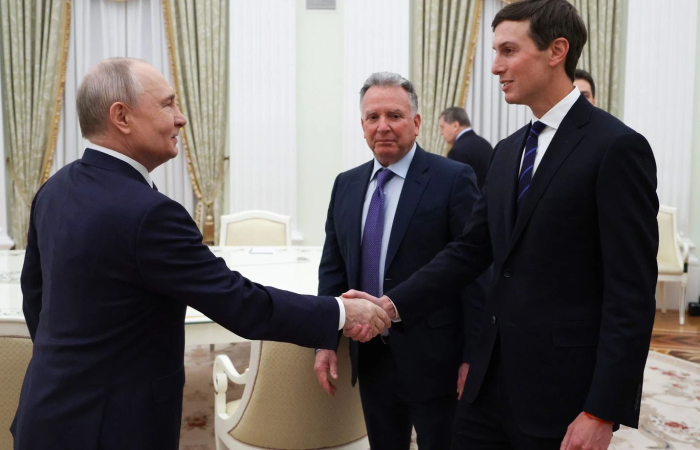
Ukraine and Russia could see European countries join the next round of peace negotiations, following talks between US special envoys Steve Witkoff and Jared Kushner and Russian President Vladimir Putin in Moscow on Thursday (November 12). However, conflicting positions over European military involvement, Ukraine’s territorial future and the continent’s security arrangements highlight the difficulties facing the diplomatic process. Speaking after the meeting, Witkoff said European participation would be an important development, describing the countries concerned as key partners. Kushner also indicated that Washington had noticed a shift in European attitudes and believed their involvement would not obstruct progress. In a statement published on X, he said the expanded discussions would address broader European security arrangements alongside territorial disputes between Russia and Ukraine. The US envoys subsequently travelled to Dublin, where they met Ukrainian President Volodymyr Zelenskyy during a European summit. Zelenskyy welcomed the possibility of European participation and expressed hope that the negotiations would include measures to reduce tensions and establish ceasefires. He also reiterated the importance of European representation in decisions concerning the continent’s security. Moscow, however, has offered a more cautious interpretation of the proposed expansion. Putin's aide, Yuri Ushakov, suggested that European countries should first reconsider their military assistance to Kyiv, arguing that their current actions demonstrated an unwillingness to pursue peace. Putin similarly called on Washington to work with its European allies to establish whether they genuinely wanted peace or continued confrontation with Russia. The Russian president also rejected the prospect of European peacekeeping troops being deployed to Ukraine following a potential agreement, describing such a presence as a continuation of the war. His position reflects wider disagreements over the future European security architecture, with Moscow seeking discussions on the continent's broader security arrangements, while European leaders insist that such negotiations cannot replace a settlement of the war. Simultaneously, Zelenskyy raised concerns about disruptions to Starshield, the US-made satellite communications service used by Ukrainian forces. He described Washington’s discussions with Moscow about Europe's future security as unusual and warned against decisions that could undermine Ukraine's sovereignty. Despite the diplomatic activity, fighting continued. Russian drone attacks killed two people in Ukraine's Sumy region and injured five in Rivne, while a separate attack in Russia's Belgorod region killed one person and injured four. Ukrainian agricultural company Kernel Holding also suspended operations at all its oilseed extraction facilities following repeated Russian attacks.

Popular

Editor's choice
Monday Commentary
Monday Commentary: European-Azerbaijan relations need an intensive and multifaceted dialogue that is frank and honest

Monday Commentary: European-Azerbaijan relations need an intensive and multifaceted dialogue that is frank and honest

Last week I visited Baku, Azerbaijan. My visit was relatively short, but very intensive, and had many meetings with stakeholders and colleagues. When I arrived in Baku first time in 1996,  Azerbaijan was a different country: weak, poor, and shaken by defeat in war. For thirty year the Karabakh issue dominated the agenda: the political agenda but also the popular mindset. Now, thirty years later, Azerbaijan has returned to Karabakh, and peace with Armenia is on the horizon. It is a new era for Armenia-Azerbaijan relations, for the South Caucasus, but also for Europe.  But we cannot be complacent: the Peace agreement has been initialed but not signed; borders remain closed; TRIPP is ambitious but remains an idea; and there are spoilers who want to turn the clock back. We must not allow them, and in this Europe and Azerbaijan must work together. Europe’ vanguard organization is the European Union – it is a free union of 27 member states; it is a strong global economic force, and increasingly a diplomatic and military force too. But it remains “work in progress” and can often appear dysfunctional. It often lacks collective and institutional memory. In its dealings with Azerbaijan the EU has made many mistakes – not least opening the delegation here late – in 2008. It sometimes appears condescending. Some utterances from the European Parliament and from some quarters in some member states are not understandable even for me. They irritate the Azerbaijanis, but serve no other purpose But Azerbaijan has also not handled relations with the EU well. It has failed to respond when the hand of friendship reached out; and it confused irritating actions, sometimes by well-meaning people; sometimes by outright spoilers, with strategic action. In short, EU-Azerbaijan relations have suffered from a lack of proper dialogue. This dialogue must be frank, honest and multi-faceted involving different segments of society on both sides.   Is Azerbaijan Europe? When Azerbaijan applied to join the Council of Europe in the 1990s, there were some who opposed, saying this was not Europe. I was one of the people who argued that Armenia and Azerbaijan may be on the periphery of the continent geographically, but were European in essence. Certainly their elites. During the discussion on 4 September in Baku, my friend Farhad Mammedov, mentioned that Azerbaijan is not interested in joining the EU, and was now close to the Central Asian countries in the 5 plus 1 format. Neither things mean that Azerbaijan is not Europe. There are several European countries that are not in the EU, and do not want to be, for example Norway and Switzerland. Iceland has recently voted to stay out of the EU. The UK was a member and left. Europe is bigger than the EU, and the holding of the European Political Community summit in Baku in 2027 proves that. Despite all the rhetoric, I never heard the president of Azerbaijan  saying that Azerbaijan is not Europe, nor have I heard any European president say it either. Not wanting to join the EU and forging close relations with neighbouring regions does not make Azerbaijan any less European. It is only logical that when Europeans talk to Azerbaijan they talk like family. The conversation is often frank. It must also be honest, and Europeans need always to remember this too. A frank, honest and multi-faceted dialogue A frank, honest and multifaceted dialogue will contribute to relations between Azerbaijan and the rest of Europe: it will avoid misperception, which unfortunately is very common on both sides; it will provide a forum where problems can be discussed and resolved, and it will increase mutual trust, so that together common problems can be addressed. (click image to read the full Monday Commentary)
Editor's choice
Monday Commentary
Monday Commentary: “The barren rocks of Aden” and “These lands of Yemen are so ruthless”

Monday Commentary: “The barren rocks of Aden” and “These lands of Yemen are so ruthless”

There are two early 20th-century tunes that mark foreign attempts to occupy and “pacify” Yemen. The Scottish tune “The barren rocks of Aden” marks the mobilisation of Highland soldiers, enlisted to be deployed to the Yemeni port of Aden, that in 1837 became the last colony to be incorporated into the British Empire. The tune talks of the harshness of the terrain, but is celebratory, It was even played as a farewell tune to Sir William Luce at the parade in Sharjah celebrating his end as “British Viceroy” in the Middle East in 1966. The second tune is an Anatolian lament. As Ilker Sezer reminded us this weekend, in his weekly feature on “Turkiye Today”, it “mourns the tragic fate of Ottoman soldiers dispatched to the harsh, remote deserts of Yemen during the fall of the empire, young men who marched away from their villages and never returned home. Most of their names, and numbers, were never recorded. Yet, their fate left a mark on the Turkish psyche.” Subsequent invaders have discovered that Yemen is a grave that cannot be overcome by the strength of modern technology, and that whilst Yemeni society is splintered and divided, building a reliable alliance with Yemeni factions is difficult. These are the harsh lessons facing Saudi Arabia, as the Kingdom faces its biggest challenge in its modern history. The leadership of the Kingdom now has to respond decisively. At stake is their very credibility. This is likely to be a long and messy conflict. Saudi military objectives need to be focused: to box in the Houthis rather than destroy them. This is likely to include: (a) regaining territory lost on the Red Sea coast; (b) control over Bab el Mandeb Strait; (c) some kind of cordon sanitaire on the Saudi-Yemeni border; and if things go well (d) the capture of Sanaa. All this would not eliminate the Houthi problem, but it will contain it. In the end the Saudis will have to continue managing Yemen with a mixture of carrot and stick. For the moment, the stick is likely, but the carrot cannot be forgotten either. (click the image to read the Monday Commentary in full)

