


Апатия самое большое препятствие для предстоящего референдума в Азербайджане

Апатия, оказывается, является самым большим препятствием перед предстоящим конституционным референдумом, который пройдет в Азербайджане 26 сентября. За две недели до дня голосования по нему, кажется, многие азербайджанцы, вероятно, вообще не примут в нем участия.

Референдум был назначен этим летом после того, как президент Ильхам Алиев неожиданно для всех направил пакет конституционных поправок на рассмотрение конституционному суду, с тем чтобы поправки могли быть представлены на референдум. Суд одобрил выдвинутые предложения и затем начался процесс подготовки к проведению референдума. Было много разных предположений относительно того, почему президент инициировал конституционные изменения. Правительство и так жестко контролирует все рычаги управления властью, независимо от конституционных тонкостей. Некоторые считают, что эти предложения являются частью усилий правительства по укреплению контроля, другие же видят в них предвестника новых политических возможностей.

Правительство Азербайджана отказалось передать выдвинутые конституционные поправки на рассмотрение в Венецианскую комиссию. Комиссия является механизмом Совета Европы, которая оказывает помощь государствам-членам в пересмотре важных законов и конституционных изменений для того, чтобы гарантировать соблюдение принципов и соглашений Совета Европы. Тем не менее, на прошлой неделе Парламентская ассамблея Совета Европы попросила Венецианскую комиссию дать оценку предстоящему референдуму в Азербайджане. Предварительное мнение будет опубликовано на следующей неделе, хотя окончательная позиция комиссии будет подтверждена только в октябре.

В то же время, неожиданно для всех, из-под стражи был освобожден лидер одной из оппозиционных сил, исполнительный секретарь "Реального движения" Натиг Джафарли. Его арестовали 12 августа по обвинению в уклонении от уплаты налогов. Несмотря на его освобождение дело против него продолжается. Арест Джафарли в августе вызвал возмущение в международном сообществе. Вчера же его освобождение приветствовали в Государственном департаменте США и в других западных странах. Ожидалось, что "Реальное движение" будет активно участвовать в агитационной кампании к референдуму, но арест еще одного из ее лидеров серьезно затруднил её деятельность.

Многие азербайджанцы остаются в стороне от политики, и мало заинтересованы в конституционном референдуме, и также испытывают мало доверия к избирательному процессу. Поэтому апатия может стать самым большим фактором на предстоящем референдуме.

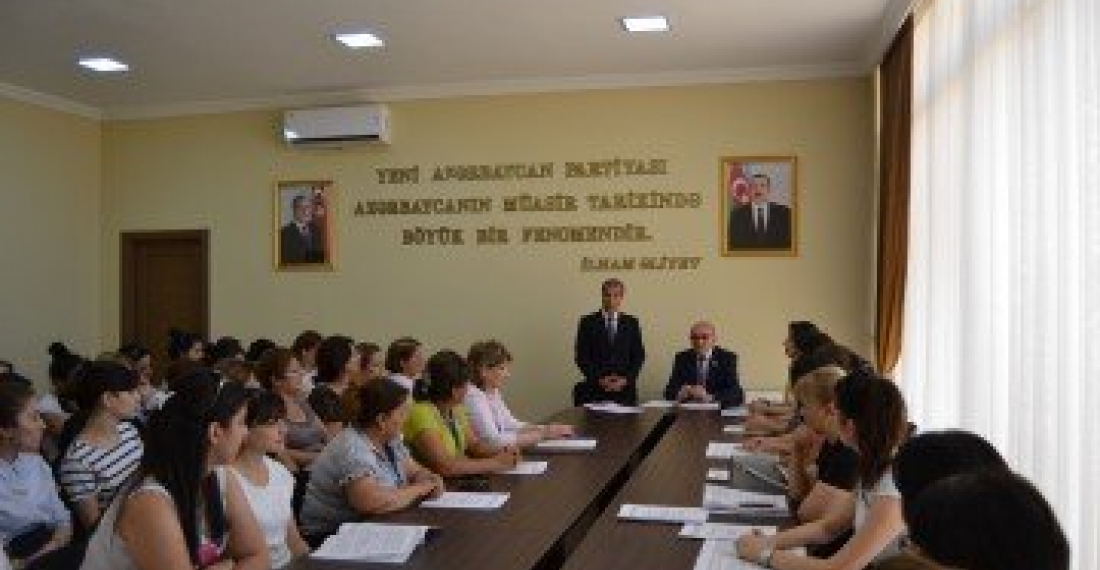
Правящая партия президента Ильхама Алиева, партия "Ени Азербайджан"(ПЕА), в ответ начала кампанию в регионах страны в целях мобилизации общественной поддержки. Политические наблюдатели следящие за процессом агитационной кампании, находят его искусственным. Участники встреч, в основном, преподаватели и государственные служащие "специально приглашенные" на эти встречи. Но с другой стороны, мало признаков активности оппозиций с целью мобилизации поддержки своей позиции. Ход вещей может измениться в конце этой недели, после окончания праздника Курбан-байрам. Но маловероятно, что этого будет достаточно для вселения энтузиазма общественности в этом процессе. Азербайджан имеет очень плохую историю проведения избирательных процессов и доверия к процессу внутри и за пределами страны очень низкое. В ходе последних парламентских выборов ведущая международная организация по наблюдению за выборами, БДИПЧ, отказался провожить мониторинг выборов, после того как ей было отказано в развертывании достаточного количества мониторов для наблюдения за процессом должным образом. На этот раз их не пригласили.

Поэтому, вероятно, референдум станет очередным разочарование для тех, кто хотел видеть серьезных политических реформ в Азербайджане, и кто терпеливо ждал сигнала о начале этого процесса в течение многих лет.

источник: commonspace.eu

фото: Члены "Новой азербайджанской партии" в Сиязянской области в ходе подготовки к Конституционному референдуму, намеченного на 26 сентября (фото любезно предоставлено www.yap.az)
 

Related articles

Editor's choice
News
Pope Leo XIV, has called on world leaders to lay down their weapons and choose “encounter” over domination

Pope Leo XIV, has called on world leaders to lay down their weapons and choose “encounter” over domination

The leader of the Catholic Church, Pope Leo XIV, has called on world leaders to lay down their weapons and choose “encounter” over domination. “Let those who have weapons lay them down!”, the Pope urged on Easter Sunday in his traditional Urbi et Orbi message. Speaking to the tens of thousands of pilgrims gathered in St Peter's Square, Pope Leo urged "those who have the power to unleash wars" to chose peace.  This should not be a peace “imposed by force”, he stressed, but one achieved through dialogue – “not with the desire to dominate others, but to encounter them”. Pope Leo warned that the world is “growing accustomed to violence”. We are “becoming indifferent”, he said, not only to the deaths of thousands of people, but to the “hatred and division” war causes, as well as its “economic and social consequences”. Borrowing a phrase from the late Pope Francis, Pope Leo warned of the “ever-increasing ‘globalisation of indifference’”. “We cannot continue to be indifferent!”, he urged. “We cannot resign ourselves to evil!”. For this reason, he said, he would be leading a prayer vigil for peace next Saturday, April 11th, in St Peter’s Basilica.
Editor's choice
News
Israel destroys 17 UNIFIL Cameras

Israel destroys 17 UNIFIL Cameras

Israeli forces destroyed 17 surveillance cameras linked to the United Nations peacekeepers’ main headquarters in southern Lebanon in 24 hours, a UN security official told AFP on Saturday. Since the start of the Israel-Hezbollah war on March 2, the UN Interim Force in Lebanon (UNIFIL) has been caught in the crossfire in the country’s south, with Hezbollah launching attacks on Israel and its troops, and Israeli forces pushing into border towns. The official, who requested anonymity, said “17 of the headquarters’ cameras have been destroyed by the Israeli army” in the coastal town of Naqura. UNIFIL spokeswoman Kandice Ardiel told AFP on Saturday that “the cameras appear to have been destroyed by some kind of laser.” She added that “(Israeli) soldiers are present in Naqura and have been undertaking massive demolitions of buildings in the village this week.” Earlier this week, Ardiel told AFP that “not only have these demolitions destroyed civilian homes and businesses, but the strength of the blasts have caused damage to UNIFIL’s headquarters.” Three Indonesian peacekeepers from the UN force have been killed in two separate incidents over the past week. UNIFIL also reported Friday an “explosion” in one of its bases near Odaisseh in south Lebanon that wounded three personnel, adding that they “do not yet know the origin of the explosion.” The Israeli army accused Hezbollah of firing “a rocket that landed in a UNIFIL outpost.” The UN office in Jakarta said on Saturday the wounded were Indonesian. Indonesia condemned the incident as “unacceptable,” saying “these events underscore the urgent need to strengthen protection for UN peacekeeping forces amid an increasingly dangerous conflict situation.” According to the UN, 97 force members have been killed in violence since its establishment in 1978 to monitor the withdrawal of Israeli forces after they invaded Lebanon.

Popular

Editor's choice
Interview
Thursday Interview: Murad Muradov

Thursday Interview: Murad Muradov

Today, commonspace.eu starts a new regular weekly series. THURSDAY INTERVIEW, conducted by Lauri Nikulainen, will host  persons who are thinkers, opinion shapers, and implementors in their countries and spheres. We start the series with an interview with Murad Muradov, a leading person in Azerbaijan's think tank community. He is also the first co-chair of the Action Committee for a new Armenian-Azerbaijani Dialogue. Last September he made history by being the first Azerbaijani civil society activist to visit Armenia after the 44 day war, and the start of the peace process. Speaking about this visit Murad Muradov said: "My experience was largely positive. My negative expectations luckily didn’t play out. The discussions were respectful, the panel format bringing together experts from Armenia, Azerbaijan, and Turkey was particularly valuable during the NATO Rose-Roth Seminar in Yerevan, and media coverage, while varied in tone, remained largely constructive. Some media outlets though attempted to represent me as more of a government mouthpiece than an independent expert, which was totally misleading.  Overall, I see these initiatives as important steps in rebuilding trust and normalising professional engagement. The fact that soon a larger Azerbaijani civil society visits to Armenia followed, reinforces the sense that this process is moving in the right direction." (click the image to read the interview in full)

