


Неделя в политике длится очень долго - в Армении же прошлая неделя по ощущениям длилась десятилетие

Серж Саргсян ушел в отставку с поста премьер-министра Армении, завершив этим самым более десяти лет жесткого политического контроля над страной и ее институтами. Немногие, всего неделю назад, могли предвидеть, что сегодня Серж Саргсян не будет больше во главе Армении, пишет Деннис Саммут в этом обзоре, который публикуется еженедельно по понедельникам. Неделя в политике длится очень долго - в Армении же прошлая неделя по ощущениям длилась десятилетие.

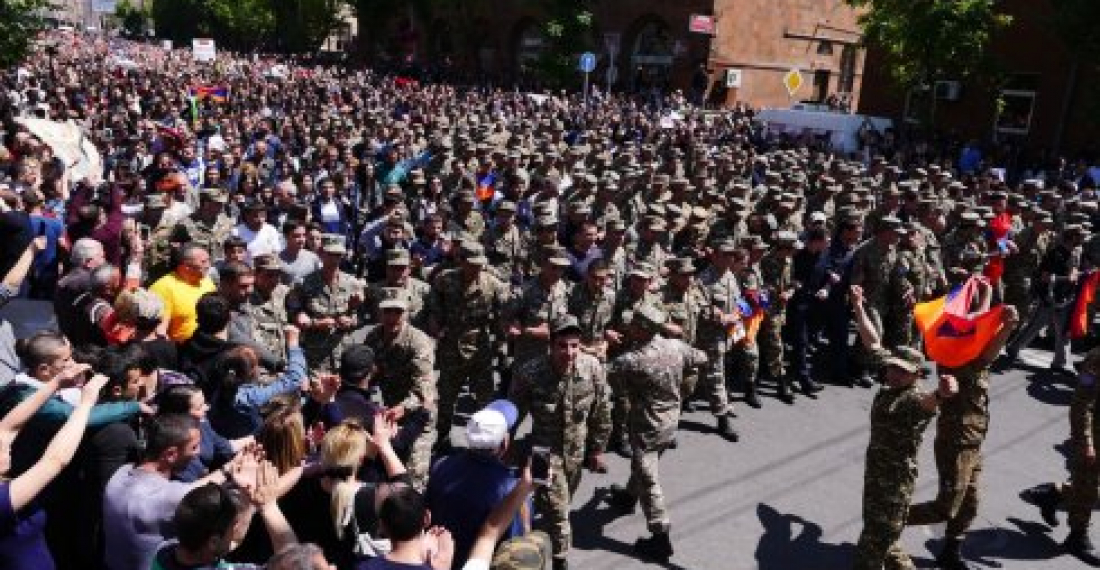
Последние дни и часы до отставки Сержа Саргсяна не могли быть более драматичными и оживленными. Уличные протесты, начавшиеся десять дней назад, были важны не только из-за того, как они набирали силу по дням и часам - толпы из нескольких сотен, а уже к вечеру воскресенья массы до 100,000 людей, что для Армении было необычным - но также и то, как сильно они отличались возрастом демонстрантов, энергией и дисциплиной протестующих, которые не прибегали к насилию, шли по улицам Еревана, призывая присоединиться к ним.

Движение выглядело спонтанным и слегка хаотичным, но одним из его лидеров стал депутат от оппозиции Никол Пашинян, который удивил всех своей энергией и последовательностью. К выходным стало ясно, что это движение отличается от предыдущих попыток протеста в Армении и не собирается сходить на нет. Правительство начало беспокоиться.

В воскресенье утром (23 апреля), Саргсян отправился на встречу с лидером народного движения, который призывал к его отставке. Встреча, продлившаяся всего несколько минут, и в присутствии средств массовой информации показала, что двое мужчин говорили о разных вещах. Саргсян попытался вывести разговор в такую плоскость, где он предстает в качестве сильного лидера Армении, как в последнее десятилетие или более - покровительственного, жесткого, но готового идти на компромисс в деталях или двух. У Пашиняна этого ничего не было. Я здесь, чтобы принять вашу отставку, сказал он Саргсяну. Саргсян сердито выбежал. Через час полиция налетела и арестовала Пашиняна и несколько других лидеров движения. Многие думали, что без лидера движения улицы опустеют. Этого не произошло - все больше и больше людей стали выходить на улицы, появились новые лидеры, одинаково решительные. Полиция разговорила жестко, иногда действовала жестко, но в основном колебалась и была сдержанной. За кулисами правящая элита Армении анализировала свою позицию. Тот факт, что какая-то группа военных решила присоединиться к протестам, все посчитали очень плохим предзнаменованием. Никто в правительстве, похоже, не хотел устраивать кровавую баню.

В понедельник днем Пашинян был освобожден, а Саргсян подал в отставку.

Потребуется время на то, чтобы проанализировать все последствия этих событий для Армении, на перспективу мира в Карабахе и в целом на регион. Многое будет зависеть от того, что произойдет после Саргсяна. Нынешняя правящая элита Армении может очень хорошо перестроиться и сплотиться вокруг другой личности. У заместителя премьер-министра Карена Карапетяна гораздо лучший образ, особенно среди ереванской общественности, чем когда-либо было у Саргсяна. Но у Никола Пашиняна могут быть свои взгляды.

Но есть одно но. Ни один армянский политик не сможет больше воспринимать армянский народ как само собой разумеющееся, данное. На парламентских выборах 2017 года десятки тысяч обедневших армян буквально продали свои голоса правительству за несколько долларов. Многие считали, что нация, которая стала настолько политически истощенной, не могла преподнести какие-либо политические сюрпризы. Они упускали из виду решимость молодых армян, которые на прошлой неделе стали героями пьесы. Они не были активны в политических проделках вокруг выборов, но они не были бескорыстными. Никол Пашанян нашел правильную формулу, чтобы вдохновить и мобилизовать их. Результатом было то, что люди победили вопреки всему.

Для многих армян, особенно в Ереване, Саргсян всегда был аутсайдером. Это его очень беспокоило и он пытался решить эту проблему. Он был другом России, но Россия, возможно, не чувствовала, что он был достаточно дружелюбен. Конечно, у России нет недостатков в "других друзьях", которые могут его заменить.

Отставка Сержа Саргсяна является началом серьезных политических перемен в Армении. Но путешествие предстоит длинное и опасное.

источник: Деннис Саммут - исполнительный директор LINKS («Диалог, анализ и исследования»), в рамках Еженедельного комментария по понедельникам для commonspace.eu

Мнения, выраженные в комментариях, не обязательно отражают позицию commonspace.eu или ее партнеров

Related articles

Editor's choice
News
COP 17 in Armenia

COP 17 in Armenia

Armenia is currently hosting the COP17 conference of the Convention on Biological Diversity, which began earlier this week (19 October) and will run until 30 October, bringing around 15,000 participants from 196 different countries to Yerevan. At a leaders' summit held as part of COP17, Prime Minister Nikol Pashinyan expressed realistic ambitions: “We are halfway towards achieving these goals (Kunming-Montreal Global Biodiversity Framework), and we must honestly acknowledge that we are not yet moving in the right direction. Our task now is not to make new promises, but to fulfil the commitments we have already made.” Pashinyan pointed towards Armenia's own records, noting that the whitefish stock in Lake Sevan has increased substantially in the last ten years. Iranian President Masoud Pezeshkian and Georgian Prime Minister Irakli Kobakhidze also addressed the summit, with Turkiye sending its agriculture minister. However, there were no reports of Azerbaijani representatives attending. The conference has given Yerevan a valuable international platform, yet the absence of Azerbaijan is likely to be read as a sign that the peace process in the South Caucasus has not yet been translated into wider regional cooperation. The leaders' summit was opened by Armenian Prime Minister Nikol Pashinyan, who stressed that hosting the conference was a great honour for Armenia. He expressed hope that it would 'be productive and contribute to protecting our planet's biodiversity'. 'We – the citizens of Armenia, the government, state authorities and local governments – owe a debt to our nature,' the prime minister said. He noted that the international community had already developed the concept of 'living in harmony with nature’ and adopted the Kunming-Montreal Global Biodiversity Framework in 2022, setting out goals and specific targets to be achieved by 2030. 'We are halfway towards achieving these goals, and we must honestly acknowledge that we are not yet moving in the right direction. Our task now is not to make new promises, but to fulfil the commitments we have already made,' Nikol Pashinyan said. The COP17 conference is expected to adopt a declaration at leaders' level. More than 30 documents are scheduled for discussion. If approved, the commitments set out in them will become legally binding on countries that are parties to the Convention on Biological Diversity.”
Editor's choice
News
Landmines present to the European Union both a contradiction and a dilemma

Landmines present to the European Union both a contradiction and a dilemma

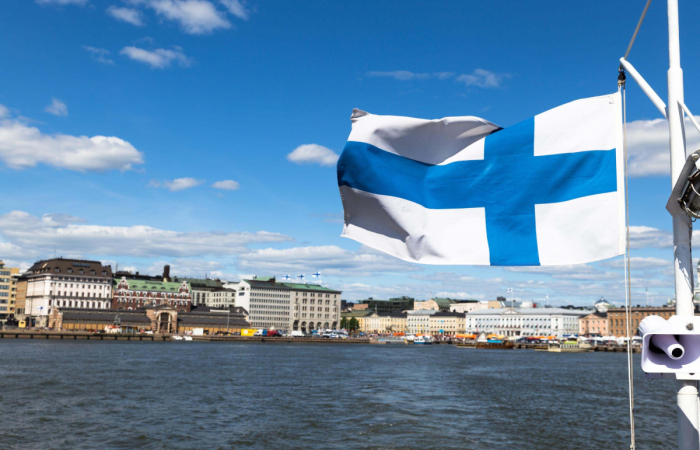
Finland’s decision to buy one million landmines creates a serious contradiction in the policy of the European Union, and is symbolic of a bigger dilemma facing European countries as they get used to the need to acquire “hard” power to face an increasing threat from Russia. Finland is seeking to acquire one million anti-personnel mines at a cost of 100 million euros. Finland, together with Poland, Latvia, Lithuania and Estonia last year abandoned the Ottawa agreement, the international framework that bans the use of anti-personnel mines, which the EU had been instrumental in establishing and supporting. All five countries cite the threat from Moscow as the reason. Colonel Riku Mikkonen of the Army Command told Finland’s national news agency STT that officials are now gathering information from suppliers regarding the deal, the AFP news agency reports. Helsinki would like domestic manufacturers to supply the mines, with contracts signed by the end of 2027 and production up and running by 2028. “It would be useful in many ways if Finnish companies produced the anti-personnel mines in Finland,” Mikkonen said. About half a dozen Finnish firms qualify, he told STT. “However, at this stage, buying the mines from abroad is not totally ruled out,” he added. LANDMINES PROVIDE THE EU WITH BOTH A CONTRADICTION, AND A DILEMMA Eliminating landmine contamination worldwide is one of the EU’s main soft power postures, and it basks in its record as the biggest funder of anti-landmine action in the world. But the fact that 5 of its 27 member states  have now left the Ottawa Treaty dents the EU moral high ground. It is a contradiction that is too big and important to be ignored. It also presents the European Union with a deeper dilemma. The threat from Russia is changing what the EU has stood for decades, namely a force for good able to mobilise its considerable soft power for the greater good of humanity. How the Union will implement this change will define its future. In the meantime landmines have not become any less lethal, benign, or unimportant. They remain in many parts of the world a major threat to life, an impediment to prosperity, and a potential trigger to further conflict. The 22 EU members states that still adhere to the Ottawa treaty must regroup, and be more assertive in their quest against anti-personnel land mines. All the reasons why they supported the Ottawa treaty in the first place still exist. The message must be clear: NO TO LANDMINES!

Popular

Editor's choice
Interview
Thursday Interview: Murad Muradov

Thursday Interview: Murad Muradov

Today, commonspace.eu starts a new regular weekly series. THURSDAY INTERVIEW, conducted by Lauri Nikulainen, will host  persons who are thinkers, opinion shapers, and implementors in their countries and spheres. We start the series with an interview with Murad Muradov, a leading person in Azerbaijan's think tank community. He is also the first co-chair of the Action Committee for a new Armenian-Azerbaijani Dialogue. Last September he made history by being the first Azerbaijani civil society activist to visit Armenia after the 44 day war, and the start of the peace process. Speaking about this visit Murad Muradov said: "My experience was largely positive. My negative expectations luckily didn’t play out. The discussions were respectful, the panel format bringing together experts from Armenia, Azerbaijan, and Turkey was particularly valuable during the NATO Rose-Roth Seminar in Yerevan, and media coverage, while varied in tone, remained largely constructive. Some media outlets though attempted to represent me as more of a government mouthpiece than an independent expert, which was totally misleading.  Overall, I see these initiatives as important steps in rebuilding trust and normalising professional engagement. The fact that soon a larger Azerbaijani civil society visits to Armenia followed, reinforces the sense that this process is moving in the right direction." (click the image to read the interview in full)

