Настало время Европе и США оказать Грузии всю свою поддержку.
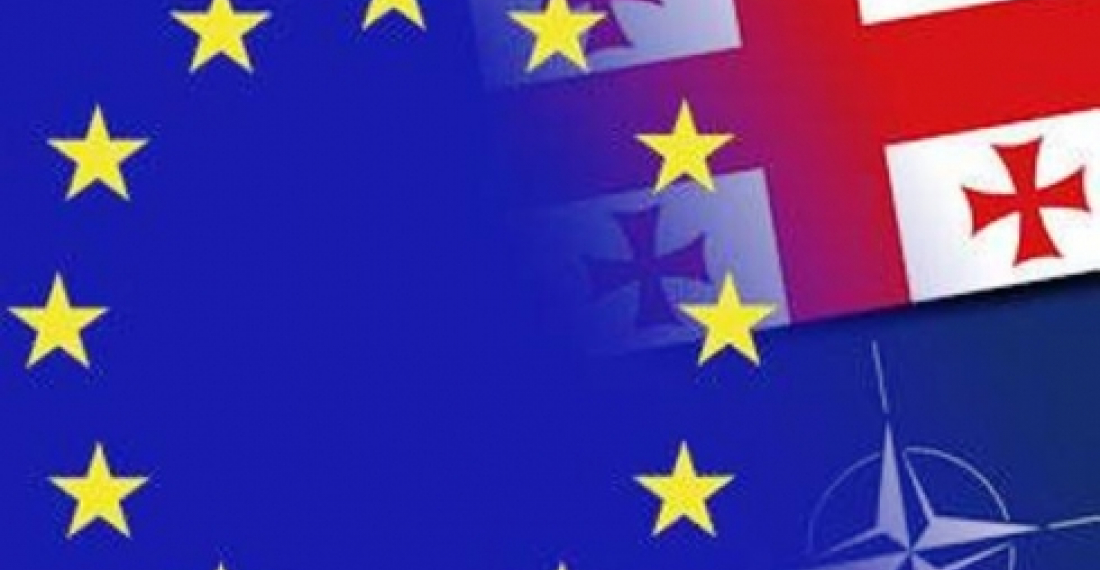
В своем частном мнении для commonspace.eu Деннис Саммут считает, что настало время, когда все табу разбиты, и Грузии должны быть предоставлены перспективы на членство в ЕС и НАТО, независимо от того, что говорит Россия.

Премьер-министр Грузии Ираклий Гарибашвили, который в настоящее время находится с официальным визитом в США, повысил ставки с точки зрения ожиданий его страны от Европы и США в ближайшие месяцы. После встречи с президентом Обамой в Белом доме, Гарибашвили рассказал в американском исследовательском центре "Атлантический Совет", что НАТО должно предоставить Грузии План действий по членству (ПДЧ) на саммите в Великобритании, в сентябре этого года, а также призвал ЕС озвучить "четкое обещание членства для успешных стран" Восточного партнерства. Оба требования год назад звучали бы, в лучшем случае, преждевременными. Было слишком много неопределенностей, связанных с Грузией, и международная обстановка, казалось, требовала желательно более медленного, более тонкого подхода к событиям в Евразии.

Тем не менее, за последний год или два произошло несколько вещей, которые заставили даже циника вроде меня задуматься еще раз. Сначала это были события в самой Грузии. Мало кто верил, что переход власти от деспотичной администрации Саакашвили к коалиции "Грузинская мечта" может пройти так гладко. Еще меньше кто верил, что будучи у власти, вдохновитель и архитектор перехода Бидзина  Иванишвили, позже уйдет с передовой линии в политике и оставит власть на плечах молодого поколения. Тем не менее, это произошло и надо отдать должное всем заинтересованным сторонам, в том числе Саакашвили и "Единому национальному движению".

За последние два года грузинская политическая элита продемонстрировала свою зрелость, в то время как грузинское гражданское общество продемонстрировало способность держать политиков под контролем, и привлекать их к ответственности даже в самых сложных обстоятельствах. Те из нас, кто следил за грузинской политикой в течение последних двух десятилетий, и кто часто огорчался из-за неудач ее политиков, были приятно шокированы событиями последних двух лет. В ЕС есть несколько стран, которым есть чему поучится у Грузии. Еще много проблем остается в области управления и консолидации демократических процессов, но теперь самые большие проблемы Грузии находятся в экономической сфере, и совершенно правильно, что именно на этом новое правительство и ставит акцент.

Слишком многое изменилось и в международной сфере, и особенно в связи с событиями в евразийском регионе. За последний год Россия, в своем стремлении за статусом великой силы, уже не в первый раз действовала активнее обычного. Попытка России в 2013 году подорвать скромную стратегию Европейского союза, Восточное партнерство, и, сорвать стремление ряда бывших советских республик вступить в  ассоциацию с ЕС, в настоящее время четко дала осечку. Народ Украины помешал ей, заплатив за это своей кровью. К концу дня у России, скорее всего, останется только Армения в качестве демонстрационного трофея своей дорогой и непоследовательной политики. В Украине ситуация в течение некоторого времени будет оставаться нестабильной, и западные страны не должны пытаться упредить этот процесс. Украинцы должны собраться и сдвинуть политический процесс на новый уровень, как это успешно сделали грузины.

Однако, с Грузией это совсем другое дело. Лучшее время, что когда либо было для предоставления Грузии ясного расписания на полноправное членство в НАТО и ЕС это сейчас. Я никогда не считал, что членство в НАТО является панацеей для всех ситуации, и некоторым странам было бы мудрее оставаться вне этого союза. Однако, грузинский народ принял решение и по нему в обществе существует широкий консенсус, что они хотят этого. В настоящее время нет оснований для откладывания членства Грузии. Это рассердит Россию, но именно это и может быть одной из причин, почему это должно быть сделано. Томительное ощущение, что Россия так или иначе имеет право вето на то, что происходит в бывших советских республиках уже затянулось, и в настоящее время само по себе является поводом для нестабильности и отсутствия безопасности, не говоря уже о посягательстве на право этих стран на определение своего будущего. Членство в НАТО для Грузии является табу, которое должно быть нарушено, не столько ради Грузии, сколько ради России.

С другой стороны, членство в ЕС воспринимается больше как технический вопрос, требующий времени. Действительно Грузии должны облегчить вступление, так-же как и требования по реализации существенных реформ. К тому же, предоставляя Грузии четкие временные планки по членству укрепит хрупкие завоевания последних двух лет в политической сфере, и значительно поможет Грузии с ее экономическим будущим. Нет сомнения, что бюррократы в Брюсселе и государства-члены сторонники бюррократии вполне смогут выдумать сотни трудностей и большинство из них будут достаточно реальными. И все же для принятия европейских устремлении Грузии лучшего времени, чем сейчас не будет и ЕС должно быть на высоте по этому поводу и положить членство на стол.

Как видно из визита премьер-министра Грузии в Вашингтон, США хорошо предрасположены по отношению к Грузии, и то же самое можно сказать и о Европейском Союзе. Тем не менее, от доброжелательности мало смысла, если она не подкреплена действиями, и сейчас для США и ЕС настало время сделать решающий шаг и оказать полную поддержку Грузии.

Деннис Саммут, аналитик международных отношений и постоянный автор commonspace.eu. В настоящее время он базируется в Оксфордском университете. С ним можно связаться по электронной почте: dennis.sammut@spc.ox.ac.uk

Related articles

Editor's choice
News
COP 17 in Armenia

COP 17 in Armenia

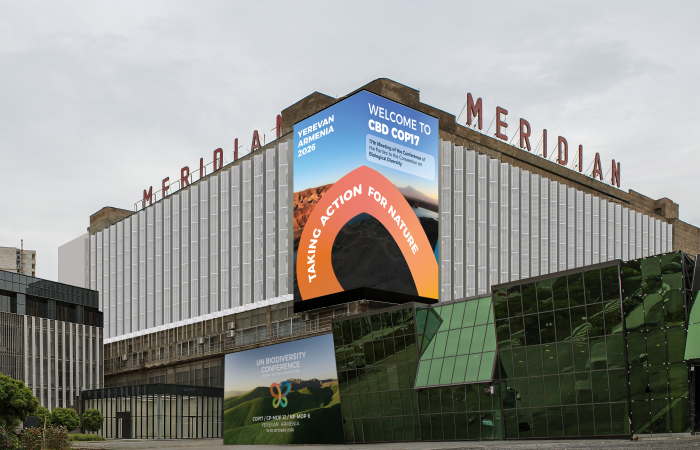
Armenia is currently hosting the COP17 conference of the Convention on Biological Diversity, which began earlier this week (19 October) and will run until 30 October, bringing around 15,000 participants from 196 different countries to Yerevan. At a leaders' summit held as part of COP17, Prime Minister Nikol Pashinyan expressed realistic ambitions: “We are halfway towards achieving these goals (Kunming-Montreal Global Biodiversity Framework), and we must honestly acknowledge that we are not yet moving in the right direction. Our task now is not to make new promises, but to fulfil the commitments we have already made.” Pashinyan pointed towards Armenia's own records, noting that the whitefish stock in Lake Sevan has increased substantially in the last ten years. Iranian President Masoud Pezeshkian and Georgian Prime Minister Irakli Kobakhidze also addressed the summit, with Turkiye sending its agriculture minister. However, there were no reports of Azerbaijani representatives attending. The conference has given Yerevan a valuable international platform, yet the absence of Azerbaijan is likely to be read as a sign that the peace process in the South Caucasus has not yet been translated into wider regional cooperation. The leaders' summit was opened by Armenian Prime Minister Nikol Pashinyan, who stressed that hosting the conference was a great honour for Armenia. He expressed hope that it would 'be productive and contribute to protecting our planet's biodiversity'. 'We – the citizens of Armenia, the government, state authorities and local governments – owe a debt to our nature,' the prime minister said. He noted that the international community had already developed the concept of 'living in harmony with nature’ and adopted the Kunming-Montreal Global Biodiversity Framework in 2022, setting out goals and specific targets to be achieved by 2030. 'We are halfway towards achieving these goals, and we must honestly acknowledge that we are not yet moving in the right direction. Our task now is not to make new promises, but to fulfil the commitments we have already made,' Nikol Pashinyan said. The COP17 conference is expected to adopt a declaration at leaders' level. More than 30 documents are scheduled for discussion. If approved, the commitments set out in them will become legally binding on countries that are parties to the Convention on Biological Diversity.”
Editor's choice
News
Landmines present to the European Union both a contradiction and a dilemma

Landmines present to the European Union both a contradiction and a dilemma

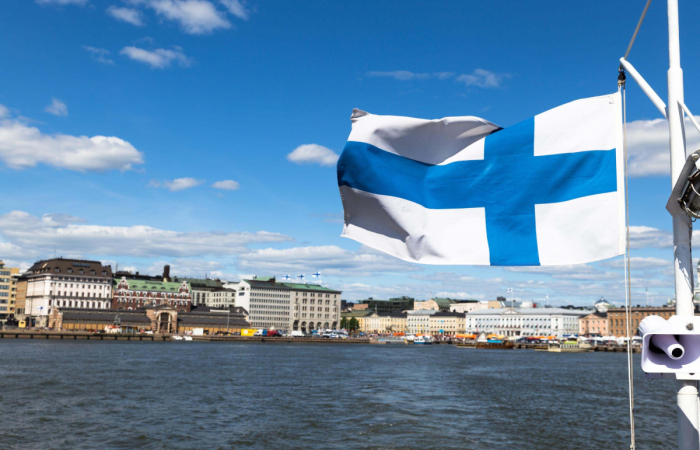
Finland’s decision to buy one million landmines creates a serious contradiction in the policy of the European Union, and is symbolic of a bigger dilemma facing European countries as they get used to the need to acquire “hard” power to face an increasing threat from Russia. Finland is seeking to acquire one million anti-personnel mines at a cost of 100 million euros. Finland, together with Poland, Latvia, Lithuania and Estonia last year abandoned the Ottawa agreement, the international framework that bans the use of anti-personnel mines, which the EU had been instrumental in establishing and supporting. All five countries cite the threat from Moscow as the reason. Colonel Riku Mikkonen of the Army Command told Finland’s national news agency STT that officials are now gathering information from suppliers regarding the deal, the AFP news agency reports. Helsinki would like domestic manufacturers to supply the mines, with contracts signed by the end of 2027 and production up and running by 2028. “It would be useful in many ways if Finnish companies produced the anti-personnel mines in Finland,” Mikkonen said. About half a dozen Finnish firms qualify, he told STT. “However, at this stage, buying the mines from abroad is not totally ruled out,” he added. LANDMINES PROVIDE THE EU WITH BOTH A CONTRADICTION, AND A DILEMMA Eliminating landmine contamination worldwide is one of the EU’s main soft power postures, and it basks in its record as the biggest funder of anti-landmine action in the world. But the fact that 5 of its 27 member states  have now left the Ottawa Treaty dents the EU moral high ground. It is a contradiction that is too big and important to be ignored. It also presents the European Union with a deeper dilemma. The threat from Russia is changing what the EU has stood for decades, namely a force for good able to mobilise its considerable soft power for the greater good of humanity. How the Union will implement this change will define its future. In the meantime landmines have not become any less lethal, benign, or unimportant. They remain in many parts of the world a major threat to life, an impediment to prosperity, and a potential trigger to further conflict. The 22 EU members states that still adhere to the Ottawa treaty must regroup, and be more assertive in their quest against anti-personnel land mines. All the reasons why they supported the Ottawa treaty in the first place still exist. The message must be clear: NO TO LANDMINES!

Popular

Editor's choice
Interview
Thursday Interview: Murad Muradov

Thursday Interview: Murad Muradov

Today, commonspace.eu starts a new regular weekly series. THURSDAY INTERVIEW, conducted by Lauri Nikulainen, will host  persons who are thinkers, opinion shapers, and implementors in their countries and spheres. We start the series with an interview with Murad Muradov, a leading person in Azerbaijan's think tank community. He is also the first co-chair of the Action Committee for a new Armenian-Azerbaijani Dialogue. Last September he made history by being the first Azerbaijani civil society activist to visit Armenia after the 44 day war, and the start of the peace process. Speaking about this visit Murad Muradov said: "My experience was largely positive. My negative expectations luckily didn’t play out. The discussions were respectful, the panel format bringing together experts from Armenia, Azerbaijan, and Turkey was particularly valuable during the NATO Rose-Roth Seminar in Yerevan, and media coverage, while varied in tone, remained largely constructive. Some media outlets though attempted to represent me as more of a government mouthpiece than an independent expert, which was totally misleading.  Overall, I see these initiatives as important steps in rebuilding trust and normalising professional engagement. The fact that soon a larger Azerbaijani civil society visits to Armenia followed, reinforces the sense that this process is moving in the right direction." (click the image to read the interview in full)