


На Кавказе отмечают Международный женский день, но женщины продолжают сталкиваться со многими проблемами
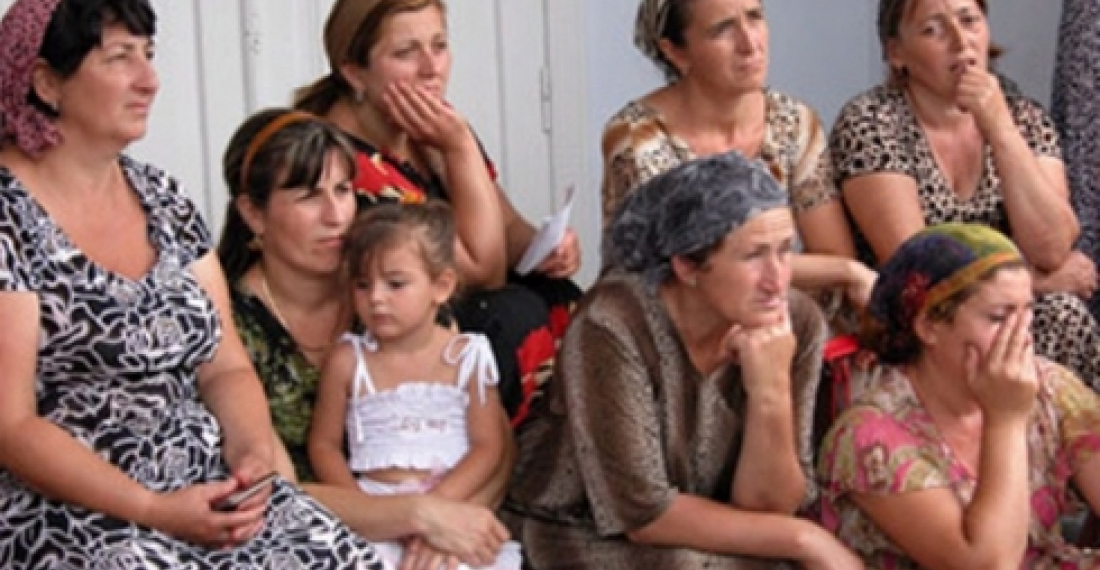

8 марта отмечается на Кавказе и во многих других странах, в частности на просторах бывшего Советского Союза, как Международный женский день. Традиционно люди дарят цветы и конфеты женщинам, членам их семей, а также их коллегам по работе.

Однако, 8 марта также должно стать возможностью, когда сосредотачивают внимание на правах женщин, на проблемах, с которыми они по-прежнему сталкиваются во многих областях жизни в разных частях Кавказа, а также на их важной и пока еще не полностью реализованной роли в развитии будущего региона. Многие считают, что большая роль женщин имеет важное значение в продвижении мирного урегулирования конфликтов в регионе. Такие организации, как шведская НПО "Kvina til Kvina" принимает активное участие в области развития диалога между женщинами-активистами из разделённых конфликтами регионов.

По случаю Международного женского дня в 2012 году Международный Комитет Красного Креста (МККК) призывает к дополнительным действиям, чтобы помочь матерям и женам людей, которые пропали без вести во время вооруженного конфликта. Подавляющее большинство людей, которые пропадают без вести в связи с конфликтами являются мужчины. Помимо страданий от не знания того, что случилось с пропавшим без вести, многие из этих женщин сталкиваются с экономическими и практическими трудностями. МККК подчеркивает обязанность сторон конфликта в поиске пропавших без вести и предоставлении информации семьям пропавших без вести. Эта проблема серьезно стоит особенно на Кавказе, где тысячи лиц после конфликтов последних двадцати пяти лет числятся пропавшими без вести.

В своем обращении по случаю Международного женского дня лондонская организация LINKS заявила о том, что есть необходимость в расширении возможностей женщин в политических процессах на Кавказе. Очень мало женщин занимают ответственные должности, или являются членами парламента, или занимают руководящие должности в политических партиях в регионах, даже если партия заявляет, что имеет в своем составе высокий процент женщин-членов. LINKS призывает к тому, чтобы большее число женщин были избраны в парламенты стран Южного Кавказа на ближайших выборах, намеченные на предстоящие два года. Традиционно женщины играют решающую и существенную роль в кавказском обществе, но эта роль нуждается в трансформации в политическую силу, говорится в заявлении LINKS.

Темой в ООН по случаю Международного женского дня 2012 является: Расширение прав и возможностей женщин - Конец голоду и нищите.

Редакция Commonspace.eu выражает наилучшие пожелания всем женщинам Кавказа по случаю Международного женского дня 2012 года.

Источник: commonspace.eu

Фото: Чеченские женщины на тренинге, организованном Европейским гуманитарным центром, вскоре после конфликта в Чечне (фото из архива Европейского Союза).

Related articles

Editor's choice
News
Women emerge favourite to lead United Nations from next year, after straw-poll of UN Security Council members

Women emerge favourite to lead United Nations from next year, after straw-poll of UN Security Council members

​ Two women have emerged as favourite to lead the United Nations as Secretary-General from 1 January 2027, when the term of the present incumbent, Antonio Gutteres, expires. A straw poll of the members of the UN Security Council, held on Thursday, 30 July showed that of the seven candidates, Rebecca Grynspan of Costa Rica and Carolyn Rodriguez-Birkett of Guyana received ten and nine positive endorsements respectively, by the 15 members UN Security Council Although the poll and its result are supposed to be secret, the result leaked within minutes, and was carried on world media outlets, such as Reuters. The result was as follows   Michelle Bachelet 6 encourage 5  discourage   4 no opinion María Fernanda Espinosa 5 2 8 Rafael Grossi 7 2 6 Rebeca Grynspan 10 1 4 Olara Otunnu 2 5 8 Carolyn Rodrigues-Birkett 9 2 4 Macky Sall 6 7 2   Article 97 of the UN Charter states that the “Secretary-General shall be appointed by the General Assembly upon the recommendation of the Security Council”. Straw polls are informal ballots used to determine the viability of Secretary-General candidates.  The seven current candidates are: Michelle Bachelet Jeria (Chile), who was nominated by Brazil, Chile, and Mexico on 2 February, with Chile withdrawing its nomination on 24 March; María Fernanda Espinosa Garcés (Ecuador), who was nominated by Antigua and Barbuda on 11 May; Rafael Mariano Grossi (Argentina), who was nominated by Argentina on 26 November 2025; Rebeca Grynspan Mayufis (Costa Rica), who was nominated by Costa Rica on 3 March; Olara Otunnu (Uganda), who was nominated by Uganda on 24 July; Carolyn Rodrigues Birkett (Guyana), who was nominated by Guyana on 15 June; and Macky Sall (Senegal), who was nominated by Burundi on 2 March. At Thursday's straw poll, there was no difference between the ballots presented to the five permanent members (P5) and the ten elected members (E10). Council members received one ballot per candidate, containing the candidate’s name followed by three options: “encouraged”, “discouraged”, and “no opinion expressed”.   It is ofcourse early days, and the straw poll is just an informal indication of the mood of the UN Security Council, but the strong showwing by the two womencandidates may be an indication that for the first time, the head of the UN can be a women. (click image to read more) ​

Popular

Editor's choice
Interview
Thursday Interview: Murad Muradov

Thursday Interview: Murad Muradov

Today, commonspace.eu starts a new regular weekly series. THURSDAY INTERVIEW, conducted by Lauri Nikulainen, will host  persons who are thinkers, opinion shapers, and implementors in their countries and spheres. We start the series with an interview with Murad Muradov, a leading person in Azerbaijan's think tank community. He is also the first co-chair of the Action Committee for a new Armenian-Azerbaijani Dialogue. Last September he made history by being the first Azerbaijani civil society activist to visit Armenia after the 44 day war, and the start of the peace process. Speaking about this visit Murad Muradov said: "My experience was largely positive. My negative expectations luckily didn’t play out. The discussions were respectful, the panel format bringing together experts from Armenia, Azerbaijan, and Turkey was particularly valuable during the NATO Rose-Roth Seminar in Yerevan, and media coverage, while varied in tone, remained largely constructive. Some media outlets though attempted to represent me as more of a government mouthpiece than an independent expert, which was totally misleading.  Overall, I see these initiatives as important steps in rebuilding trust and normalising professional engagement. The fact that soon a larger Azerbaijani civil society visits to Armenia followed, reinforces the sense that this process is moving in the right direction." (click the image to read the interview in full)


