МНЕНИЕ: НАТО: Баку подтвердил свою приверженность в поиске мирного решения нагорно-карабахского конфликта

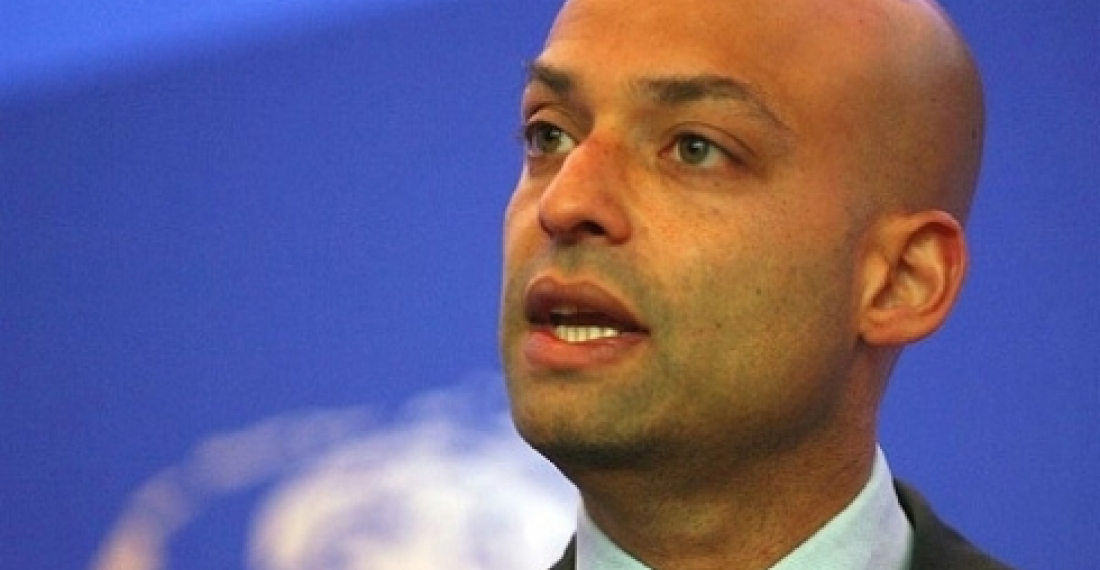
Спецпред генсека НАТО на Кавказе и Центральной Азии Джеймс Аппатурай дал эксклюзивное интервью ИА АрмИнфо о результатах своей поездки в регион в середине февраля.

Расскажите, пожалуйста, о наиболее значимых результатах Вашего визита в Баку и Ереван.

В преддверии саммита в Чикаго в мае, генеральный секретарь НАТО хочет установить диалог на стратегическом уровне по вопросам безопасности, что входит в сферу общих интересов в отношениях с Арменией, Азербайджаном и рядом других ключевых партнеров. Целью моего визита было объяснить нынешние приоритеты НАТО и прислушаться к мнениям Еревана и Баку о развитии внутреннеполитической ситуации, региональной безопасности и развитии конфликта в Нагорном Карабахе. Думаю, что визит прошел успешно и улучшил взаимопонимание между нами. Визит позволил нам подготовить визит президента Алиева в Брюссель 15 февраля и недавний визит президента Саргсяна.

Баку усилил военную риторику, угрожая войной в Карабахе. Вы обсуждали эту тему с руководством Азербайджана?
 
Да, я выслушал мнение президента Алиева о ситуации в Нагорном Карабахе, а также о зашедшем в тупик мирном процессе. Они подтвердили приверженность Азербайджана в поиске мирного решения.

Какой позиции будет придерживаться НАТО в случае военного сценария в Карабахе? В каком случае НАТО вмешается?

Не существует военного решения нагорно-карабахского конфликта. Возобновление насилия приведет к поражению всех сторон. Я полагаю, что большинство людей в регионе осознают это. Я убежден в том, что НАТО продолжит поддерживать усилия сопредседателей Минской группы ОБСЕ.

Говоря об иранской проблеме, Тегеран, пожалуй, не проявляет намерений по прекращению своей ядерной программы, темпы программы наоборот ускорены. Будет ли ответ НАТО Ирану в случае, если Тегеран пойдет до конца?
 
НАТО как организация не вовлечена в иранскую проблему. Однако НАТО ожидает, что Иран будет действовать согласно обязательствам международного сообщества.

Как ситуация вокруг Ирана и любые негативные последствия от проблемы повлияют на геополитическую ситуацию региона? Вы обсуждали эту тему в Баку и Ереване? Потребуется ли НАТО поддержка Баку и Еревана в случае нападения на Иран?
 
Как я сказал, НАТО как организация не вовлечена в иранскую проблему, поэтому бесполезно будет, если я стану спекулировать здесь о дальнейших событиях. 

В Армении и Азербайджане мы обсудили вопросы региональной безопасности, и я выслушал мнения в Баку и в Ереване об отношениях с их соседними странами, включая Иран. Я полагаю, правительства Армении и Азербайджана очень хорошо осознают, что НАТО не вовлечен в проблему Ирана.
 
Как напряженность, возникшая между Францией и Турцией вследствие законопроекта о Геноциде армян, принятого во Франции, отражается в работе двух стран-партнеров в Альянсе?

Я, разумеется, в курсе о дискуссии, но я не был свидетелем каких-нибудь непосредственных негативных последствиях в отношениях между двумя странами Альянса. Как члены Альянса, Франция и Турция взаимодействуют на ежедневной основе в Брюсселе и в структурах военного командования. Две столицы государства должны сами решить наилучший способ развития двусторонних отношений.

 
Подготовила Оксана Мусаелян,
12 марта, 2012 г.
АрмИнфо
Related articles

Editor's choice
News
Uzbekistan strengthens its relations with China and US

Uzbekistan strengthens its relations with China and US

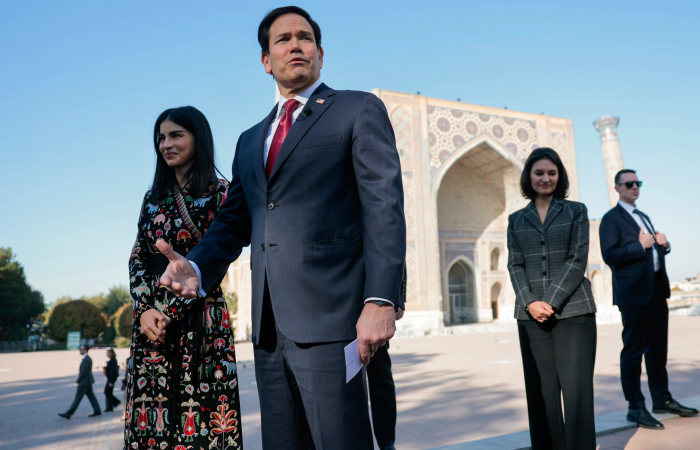
In recent days, Uzbekistan welcomed the Chinese and American governments in quick succession. During Chinese Premier Li Qiang’s visit on 17-18 October, the Uzbek presidential administration said that joint projects backed by firm agreements had reached nearly $60 billion. US Secretary of State Marco Rubio then arrived in Samarkand for C5+1 talks, accompanied at the time by American business leaders seeking contracts, particularly in critical minerals. During the visit, Uzbekistan announced 54 agreements covering trade, investment, and technology. The agreements are said to be worth a total of $12 billion, according to Uzbekistan’s Ministry of Investment, Industry and Trade. However, China still accounts for 23% of Uzbekistan’s foreign trade in January-August 2026, while US goods trade with Uzbekistan totalled at $1.05 billion in 2025, which is less than a fifteenth of the value of its trade with China. Rubio said Washington was not asking Central Asian countries to stop cooperating with other partners, but would instead compete for investment. Tashkent is likely to welcome investment from both sides, but the trade gap shows how challenging it will be if it were to decrease its dependence on Beijing. “Chinese Premier Li Qiang visited Uzbekistan on October 17–18, just ahead of United States Secretary of State Marco Rubio, who arrived in Samarkand on October 18 with a delegation of American business leaders seeking new contracts. While China already has a substantial presence in Uzbek manufacturing and energy, Washington is seeking to expand American involvement in critical minerals and technology. The visits highlight the growing competition between the world’s two largest economies for influence in Central Asia. On October 17, President Shavkat Mirziyoyev received Li Qiang. According to the Uzbek presidential administration, the portfolio of joint projects backed by firm agreements has reached nearly $60 billion. More than 6,000 joint ventures with Chinese participation have been established in Uzbekistan. (...) Construction of the China–Kyrgyzstan–Uzbekistan railway was another topic of discussion. Work officially began in December 2024. The route will cross mountainous areas of Kyrgyzstan and connect the railway networks of China and Uzbekistan. The 304-kilometer section through Kyrgyzstan alone is estimated to cost $4.7 billion and will require 50 bridges and 29 tunnels. (...) On October 19, Rubio attended talks in Samarkand under the C5+1 format, bringing together the U.S. and Kazakhstan, Kyrgyzstan, Tajikistan, Turkmenistan, and Uzbekistan. Rubio said nearly 300 American businesses were represented in Samarkand. Companies were discussing agreements potentially worth billions of dollars, with concrete announcements expected following the meetings. Among Washington’s priorities are critical minerals used in advanced technologies, including electronics and batteries.”

Popular

Editor's choice
Interview
Thursday Interview: Murad Muradov

Thursday Interview: Murad Muradov

Today, commonspace.eu starts a new regular weekly series. THURSDAY INTERVIEW, conducted by Lauri Nikulainen, will host  persons who are thinkers, opinion shapers, and implementors in their countries and spheres. We start the series with an interview with Murad Muradov, a leading person in Azerbaijan's think tank community. He is also the first co-chair of the Action Committee for a new Armenian-Azerbaijani Dialogue. Last September he made history by being the first Azerbaijani civil society activist to visit Armenia after the 44 day war, and the start of the peace process. Speaking about this visit Murad Muradov said: "My experience was largely positive. My negative expectations luckily didn’t play out. The discussions were respectful, the panel format bringing together experts from Armenia, Azerbaijan, and Turkey was particularly valuable during the NATO Rose-Roth Seminar in Yerevan, and media coverage, while varied in tone, remained largely constructive. Some media outlets though attempted to represent me as more of a government mouthpiece than an independent expert, which was totally misleading.  Overall, I see these initiatives as important steps in rebuilding trust and normalising professional engagement. The fact that soon a larger Azerbaijani civil society visits to Armenia followed, reinforces the sense that this process is moving in the right direction." (click the image to read the interview in full)