


Координатор ООН призвала власти Армении выделить средства для обеспечения достойной жизни старшему поколению
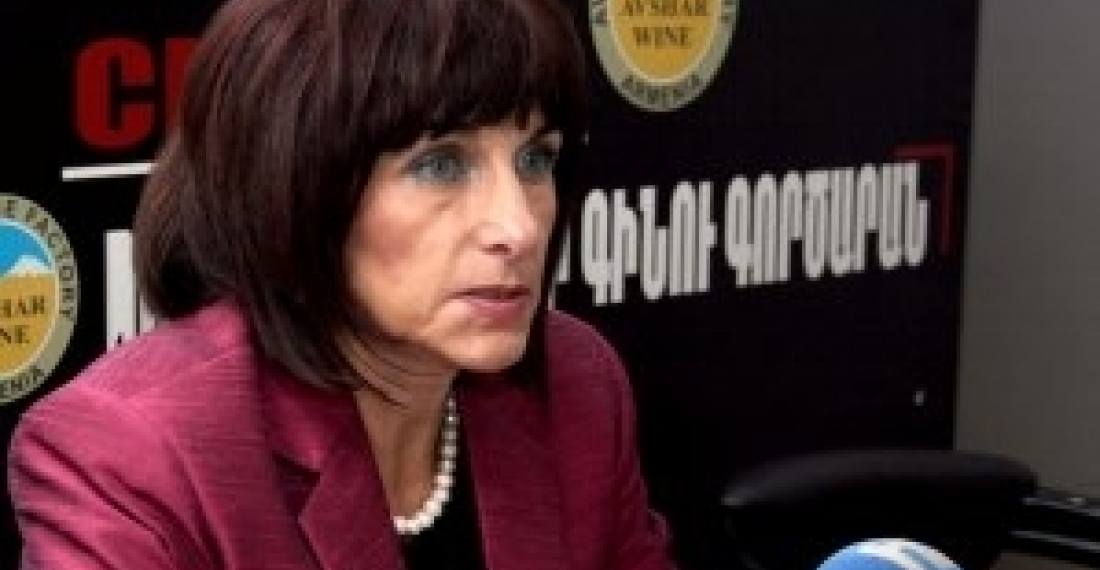

Все развитые страны уже столкнулись с проблемой старения общества. И в скором будущем с этой проблемой столкнутся и страны со средним уровнем развития и Армения в этом плане не исключение. Об этом 10 апреля на пресс- конференции посвященной дню здравоохранения заявила постоянный координатор ООН в Армении, представитель UNDP Дафина Герчева.

"Каждый год 7 апреля ООН вместе со всем миром отмечает всемирный день здравоохранения, который посвящается основанию Всемирной организации здравоохранения в 1948 году. В этом году лозунгом здравоохранения является "Здоровье залог долголетия. В середине прошлого века число людей, чей возраст превышал 80 лет было всего 14 млн., до 2050 года в этой группе будет около 400 млн, из которых 10 0млн. в Китае. И впервые в истории человечества число людей за 65 лет будет превышать число детей до 5 лет", - информировала представитель ООН. По ее словам, такие существенные изменения тесно связаны с глобальным экономическим и социальным развитием, в том числе здравоохранения благодаря чему удалось существенно сократить число детской смертности, улучшив здоровье людей.

"С этой целью необходимо заняться проблемами здоровья людей для обеспечения их долголетия. Это можно делать посредством создания социальных программ, которые позволят пожилым людям пользоваться медицинскими услугами. Пожилые люди представляют для нас огромную ценность, и я призываю власти республики обратить внимание на них и выделить средства для обеспечения достойной жизни старшему поколению страны",- заявила Герчева.
В свою очередь замминистра здравоохранения Армении Сергей Хачатрян отметил важность данной темы, призвал население отказаться от пагубных привычек, которые оставляют плохой отпечаток на жизнь для того чтоб в старости обладать хорошим здоровьем. При этом, он отметил осуществление программ по улучшению здоровья у взрослого поколения, заявив, что более того армянское здравоохранение ищет новые пути по которым можно пойти в этом направлении, в том числе и программы которые осуществляет ООН.

Related articles

Editor's choice
News
The British prime minister says Europe must "stand on its own two feet" when it comes to defence

The British prime minister says Europe must "stand on its own two feet" when it comes to defence

The UK will deploy a carrier strike group, led by the aircraft carrier HMS Prince of Wales to the Arctic and the High North as part of efforts to bolster security against Russian threats. British prime minister, Sir Keir Starmer announced the deployment in a speech on Saturday (14 February) at the Munich Security Conference. Europe must be ready to fight to protect its people, values, and way of life,  Sir Keir told the Conference. Starmer also called for deeper links and cooperation, including economic ties, between the UK and EU. The PM stressed the continent must "stand on its own two feet" when it comes to defence commitments. "We must build our hard power, because that is the currency of the age," he told the conference. (Click image to read the full story).

Popular

Editor's choice
Interview
Thursday Interview: Murad Muradov

Thursday Interview: Murad Muradov

Today, commonspace.eu starts a new regular weekly series. THURSDAY INTERVIEW, conducted by Lauri Nikulainen, will host  persons who are thinkers, opinion shapers, and implementors in their countries and spheres. We start the series with an interview with Murad Muradov, a leading person in Azerbaijan's think tank community. He is also the first co-chair of the Action Committee for a new Armenian-Azerbaijani Dialogue. Last September he made history by being the first Azerbaijani civil society activist to visit Armenia after the 44 day war, and the start of the peace process. Speaking about this visit Murad Muradov said: "My experience was largely positive. My negative expectations luckily didn’t play out. The discussions were respectful, the panel format bringing together experts from Armenia, Azerbaijan, and Turkey was particularly valuable during the NATO Rose-Roth Seminar in Yerevan, and media coverage, while varied in tone, remained largely constructive. Some media outlets though attempted to represent me as more of a government mouthpiece than an independent expert, which was totally misleading.  Overall, I see these initiatives as important steps in rebuilding trust and normalising professional engagement. The fact that soon a larger Azerbaijani civil society visits to Armenia followed, reinforces the sense that this process is moving in the right direction." (click the image to read the interview in full)

