


Комментарий понедельника: Коронавирус у границ!

В связи с быстрым распространением коронавируса в Иране, на Южном Кавказе необходимы быстрые, эффективные, прозрачные и профессиональные действия со стороны правительств, а также спокойная и совместная реакция их граждан, утверждает Деннис Саммут в комментарии к этой неделе.

Распространение коронавируса (официально называемого COVID-19), инфекционного заболевания из Китая, вызванного новым вирусом, который ранее не был идентифицирован у людей, где он возник в конце 2019 года, в остальной мир продолжается, несмотря на усилия по его сдерживанию. Во многих отношениях это неизбежно в нашем взаимосвязанном и глобализированном мире.

Тем не менее, некоторые ксенофобы могут подумать, что его распространение можно было бы предотвратить в другую эпоху - до возникновения авиатранспорта и миллионов людей, постоянно находящихся в пути, - и им нужно напомнить, что даже римляне сталкивались с подобными проблемами, когда они строили свои дороги, связывающие Рим с провинциями и надеялись, что через них они смогут перемещать свои легионы и торговать. Но с торговлей также прибыла и чума, которая регулярно опустошала римские города.

Ксенофобия не способ справиться с угрозой коронавируса. Скорее, то, что нужно, это быстрый, эффективный, прозрачный и профессиональный ответ со стороны властей разных стран и спокойный и совместный ответ со стороны их граждан.

Коронавирус сейчас уже находится у ворот стран Южного Кавказа. Появление и распространение вируса в Иране в последние дни, а также скорость, с которой он, похоже, распространяется там, создали определенные опасения в странах Южного Кавказа, некоторые из которых имеют общую границу с Ираном, и все три которые имеют давние исторические отношения с этой страной. Есть опасения, что Иран, страна, на которую наложены санкции в течение сорока лет, может не выдержать быстрого распространения вируса, хотя это еще предстоит увидеть.

Реакция правительств в Армении, Азербайджане и Грузии до сих пор была взвешенной, и пока что среди населения в целом нет паники. Но это может измениться очень быстро, если вирус начнет распространение в этих странах.

Это можно и нужно предотвратить. Необходимо соблюдать некоторые золотые правила:

(1) В условиях напряженной политической обстановки в настоящее время в Армении, Азербайджане и Грузии важно, чтобы проблема коронавируса не была политизирована, даже если правительства должны отвечать за то, как они реагируют на кризис. Средства массовой информации и гражданское общество могут внести свой вклад в это, контролируя политиков и руководствуясь примером;

(2) Обязанность правительств - полностью информировать население о ситуации. Попытка скрыть информацию о распространении вируса окажется контрпродуктивной; политикам следует избегать соблазна вестей с фронта. Пусть профессионалы делают работу и общаются с людьми;

(3) Ответ должен быть быстрым, эффективным и профессиональным. Без сомнения, найдутся те, кто попытается использовать ситуацию даже для материальной выгоды. Правительства должны очень внимательно следить за ситуацией и быстро действовать против таких авантюристов. Закрытие границ или ограничение поездок всегда неизбежно приводит к экономическим сбоям, и это обходится дорого. Все же это во многих случаях неизбежно и необходимо;

(4) Если вирус достигнет Южного Кавказа, коронавирус проверит медицинские ресурсы трех стран. Проблемы и ошибки прошлого могут возникнуть. Тем не менее, первоочередной задачей остается использовать все имеющиеся ресурсы для сдерживания и борьбы с вирусом;

(5) Власти трех стран должны тесно сотрудничать с международными организациями, такими как ВОЗ, а также друг с другом и соседними странами.

(6) Самое главное, что народ Армении, Азербайджана и Грузии должен сохранять спокойствие и не поддаваться паническим покупкам, распространению слухов или истерической ксенофобии. Коронавирус рано или поздно будет локализован. До тех пор он будет продолжать разрушать повседневную жизнь стран и людей. Уроки должны и будут изучены, как это возникло и распространилось. Необходимо также извлечь уроки о том, как отреагировали правительства и население в целом, так как это не первая и не последняя пандемия, с которой столкнется мир.

источник: Деннис Саммут, директор LINKS Europe и член редакционной команды commonspace.eu

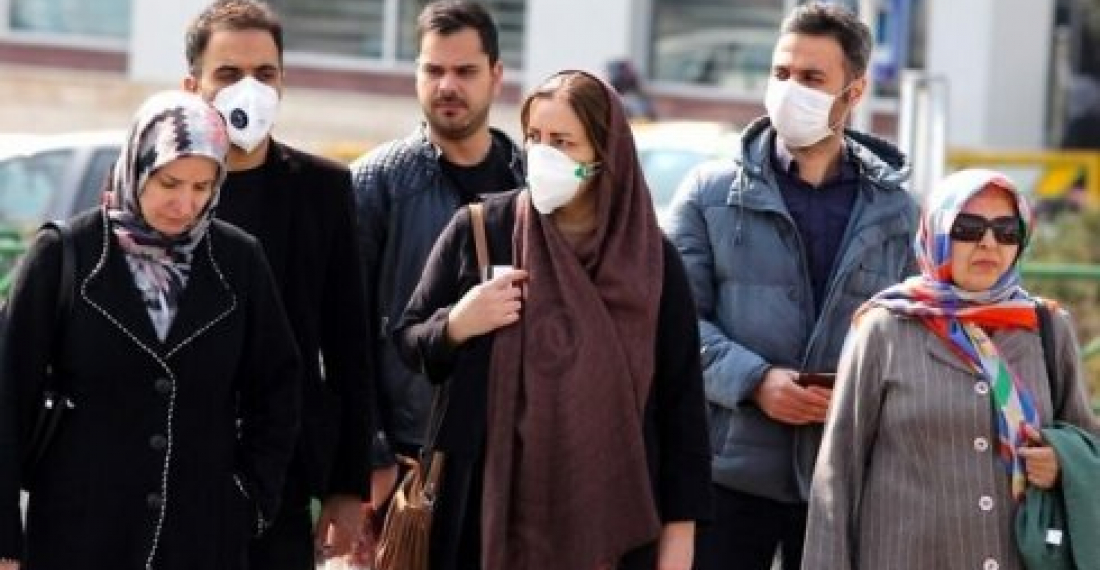
фото: Распространение коронавируса в Иране (фото из архива)

Мнения, выраженные в комментариях и статьях, не обязательно отражают позицию commonspace.eu или его партнеров.

 

Related articles

Editor's choice
News
Germany accuses Russia of cyberattacks and disinformation campaign

Germany accuses Russia of cyberattacks and disinformation campaign

The German government holds Russia responsible for a cyberattack on German air traffic control, and for targeted disinformation campaigns before the last federal election. According to the German Foreign Office in Berlin, the incidents could be clearly attributed to the Russian military intelligence service, the GRU. In response, the Russian ambassador to Berlin was summoned to the Foreign Ministry. "We have been observing a massive increase in threatening hybrid activities by Russia for some time now," a spokesperson for the Foreign Ministry stated. These range from disinformation campaigns and espionage to cyberattacks and sabotage attempts. The aim is to divide society, sow distrust, and undermine confidence in democratic institutions. The spokesperson added that with these actions, Russia is "very concretely threatening our security, not only through its war of aggression against Ukraine, but also here in Germany."  The Foreign Ministry spokesperson explained that the cyberattack on air traffic control in August 2024 was clearly attributed to the hacker collective "APT28," known as "Fancy Bear," and to the responsibility of the Russian military intelligence service, the GRU. Furthermore, it could now be "conclusively stated" that Russia had attempted "to influence and destabilize both the last Federal election and the ongoing internal affairs of the Federal Republic of Germany." There was "absolutely irrefutable evidence" for this". The so-called "Storm 1516" campaign, which has been running since 2024, is allegedly backed by "reliable information" that the Moscow-based think tank "Center for Geopolitical Expertise" is behind it. The Center is also said to be supported by Russian military intelligence. Its primary aim is to influence democratic elections in the West. (Click the image to read more).
Editor's choice
News
NATO Chief says war is on Europe's doorstep, and warns against complacency

NATO Chief says war is on Europe's doorstep, and warns against complacency

Russia could attack a NATO country within the next five years, the Secretary General of NATO, Mark Rutte, said in a stark new warning. "NATO's own defences can hold for now," Rutte warned in Berlin, but conflict was "next door" to Europe, and he feared "too many are quietly complacent, and too many don't feel the urgency, too many believe that time is on our side. "Russia is already escalating its covert campaign against our societies," Rutte said in a speech in Germany. "We must be prepared for the scale of war our grandparents or great-grandparents endured." Earlier this month, Russia's President Vladimir Putin said his country was not planning to go to war with Europe, but it was ready "right now" if Europe wanted to - or started a war. But similar reassurances were given by Moscow in 2022, just before 200,000 Russian troops crossed the border and invaded Ukraine. Putin has accused European countries of hindering US efforts to bring peace in Ukraine - a reference to the role Ukraine's European allies have recently played in trying to change a US peace plan to end the war, whose initial draft was seen as favouring Russia. But Putin was not sincere, Nato's secretary-general said in the German capital, Berlin. Supporting Ukraine, he added, was a guarantee for European security. "Just imagine if Putin got his way; Ukraine under the boot of Russian occupation, his forces pressing against a longer border with Nato, and the significantly increased risk of an armed attack against us." Russia's economy has been on a war footing for more than three years now - its factories churn out ever more supplies of drones, missiles and artillery shells. According to a recent report by the Kiel Institute for the World Economy, Russia has been producing each month around 150 tanks, 550 infantry fighting vehicles, 120 Lancet drones and more than 50 artillery pieces. The UK, and most of its Western allies, are simply not anywhere near this point. Analysts say it would take years for Western Europe's factories to come close to matching Russia's mass-production of weapons. "Allied defence spending and production must rise rapidly, our armed forces must have what they need to keep us safe," the Nato chief said.

Popular

Editor's choice
News
Germany accuses Russia of cyberattacks and disinformation campaign

Germany accuses Russia of cyberattacks and disinformation campaign

The German government holds Russia responsible for a cyberattack on German air traffic control, and for targeted disinformation campaigns before the last federal election. According to the German Foreign Office in Berlin, the incidents could be clearly attributed to the Russian military intelligence service, the GRU. In response, the Russian ambassador to Berlin was summoned to the Foreign Ministry. "We have been observing a massive increase in threatening hybrid activities by Russia for some time now," a spokesperson for the Foreign Ministry stated. These range from disinformation campaigns and espionage to cyberattacks and sabotage attempts. The aim is to divide society, sow distrust, and undermine confidence in democratic institutions. The spokesperson added that with these actions, Russia is "very concretely threatening our security, not only through its war of aggression against Ukraine, but also here in Germany."  The Foreign Ministry spokesperson explained that the cyberattack on air traffic control in August 2024 was clearly attributed to the hacker collective "APT28," known as "Fancy Bear," and to the responsibility of the Russian military intelligence service, the GRU. Furthermore, it could now be "conclusively stated" that Russia had attempted "to influence and destabilize both the last Federal election and the ongoing internal affairs of the Federal Republic of Germany." There was "absolutely irrefutable evidence" for this". The so-called "Storm 1516" campaign, which has been running since 2024, is allegedly backed by "reliable information" that the Moscow-based think tank "Center for Geopolitical Expertise" is behind it. The Center is also said to be supported by Russian military intelligence. Its primary aim is to influence democratic elections in the West. (Click the image to read more).

