


Комментарий по понедельникам: Давос и процесс модернизации Южного Кавказа

Комментарий по понедельникам

"В Ереване, Баку и Тбилиси должен быть свой Давос, как и в каждом городе и в каждой деревне на Южном Кавказе, где будут рождаться идеи, формироваться видения для того, чтобы ускорить процесс модернизации, - утверждает Деннис Саммут в этом выпуске "Комментарий по понедельникам".

На прошлой неделе лидеры трех стран Южного Кавказа побывали в Давосе, где приняли участие во Всемирном экономическом форуме. Президент Азербайджана Ильхам Алиев является старожилом этого мероприятия - кажется, он не пропускал ни одного данного мероприятия за последние десять лет. Помимо него в этом году в Давосе также присутствовали премьер-министры Армении и Грузии Карен Карапетян и Георгий Квирикашвили.

Давос является необычным мероприятием, на котором собираются мировые лидеры, учитывая общую неформальность проходимых встреч. Обилие снега означает меньше постановочного протокола. Это мероприятие, на котором собираются политические лидеры вперемешку с тяжеловесами бизнеса и промышленности, а также с некоторыми из лучших мыслителей на данный момент, что также весьма необычно. Всемирный экономический форум в Давосе - это один большой буфет, включающий в себя около 400 мероприятий - некоторые общественные, а некоторые нет, где участники сами выбирают, что они будут. Это также отличное место для общения.

Это именно такое международное событие, в котором руководители трех стран Южного Кавказа должны участвовать для решения самых сложных задач, стоящих перед ними в следующие два-три десятилетия, а именно: как ускорить процесс модернизации их экономик и обществ, и как лучше всего взаимодействовать с остальным миром и использовать свои географические и геополитические позиции в своих лучших интересах.

Модернизация часто является непонятым термином. Некоторые ошибочно полагают, что это просто технологическое развитие или может быть выражено через напыщенные здания и строительство. Для модернизации страны требуется гораздо более глубокий процесс реструктуризации, что, в свою очередь, требует времени и обязательств. Реформы в трех важных секторах должны быть синхронизированы - политические институты, экономика и образование. Грузия, Армения и Азербайджан вышли из централизованных политических институтов, командного хозяйства и идеологизированной системы образования, что характеризовал собой Советский Союз, и в 1991 году вновь обрели свою государственность. Последовательные правительства в трех странах с тех пор прилагают усилия для модернизации всех трех секторов, со смешанными результатами. Пока никто не может утверждать о полном успехе, но семена к успеху уже посеяны. Теперь уже необходимо ускорить процесс.

На этом пути существует множество препятствий - некоторые из них это внутренние, когда чьи-либо интересы замедляют процесс перемен; некоторые внешние, такие как негативное влияние трех более крупных соседей: России, Турции и Ирана, поскольку они борются с подобными проблемами, только в более широких масштабах.

Неразрешенные конфликты в регионе также сильно повлияли на все аспекты жизни за последние три десятилетия. Они все еще могут уничтожить все, то что уже достигнуто, и не допустить продолжения процесса модернизации.

Но я по-прежнему убежден в том, что потенциал трех стран - в одиночку или же совместно - далеко не исчерпан. Задача, стоящая перед правительствами, заключается в том, как активизировать и высвободить этот потенциал.

Будем надеяться, что предпринимательский дух Давоса повлияет на участников с Южного Кавказа. Не то, чтобы в Давосе были решения всех проблем Южного Кавказа, не говоря уже о мире. Самый большой урок из Давоса - это ценность открытых и инклюзивных дебатов по самым сложным вопросам, с тем, что мнение даже самых могущественных людей оспаривались аргументами. В Ереване, Баку и Тбилиси должен быть свой Давос, как и в каждом городе и в каждой деревне на Южном Кавказе, где будут рождаться идеи, формироваться видения для того, чтобы ускорить процесс модернизации.

источник: Деннис Саммут, исполнительный директор LINKS (DAR). Комментарий по понедельникам публикуется каждую неделю на commonspace.eu

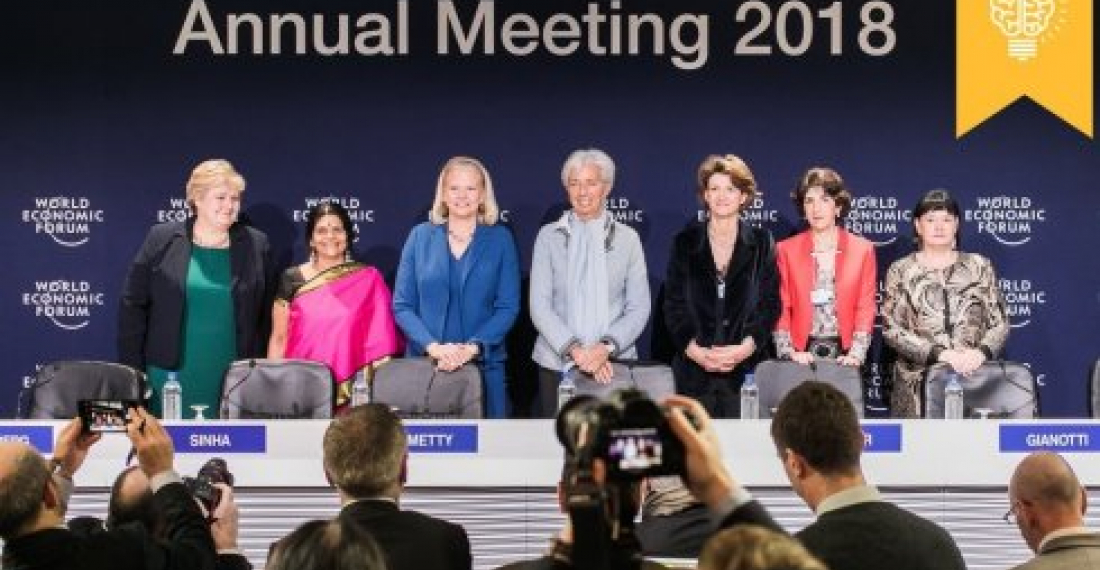
фото: В этом году на ведущих дебатах Всемирного экономического форума в Давосе сопредседательствовали женщины
 

Related articles

Editor's choice
News
COP 17 in Armenia

COP 17 in Armenia

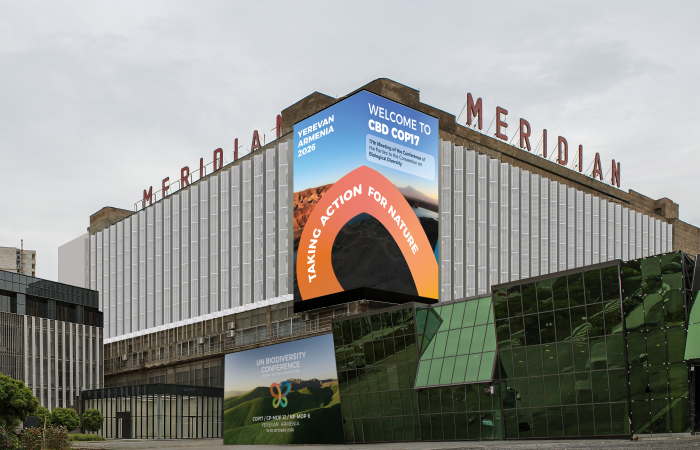
Armenia is currently hosting the COP17 conference of the Convention on Biological Diversity, which began earlier this week (19 October) and will run until 30 October, bringing around 15,000 participants from 196 different countries to Yerevan. At a leaders' summit held as part of COP17, Prime Minister Nikol Pashinyan expressed realistic ambitions: “We are halfway towards achieving these goals (Kunming-Montreal Global Biodiversity Framework), and we must honestly acknowledge that we are not yet moving in the right direction. Our task now is not to make new promises, but to fulfil the commitments we have already made.” Pashinyan pointed towards Armenia's own records, noting that the whitefish stock in Lake Sevan has increased substantially in the last ten years. Iranian President Masoud Pezeshkian and Georgian Prime Minister Irakli Kobakhidze also addressed the summit, with Turkiye sending its agriculture minister. However, there were no reports of Azerbaijani representatives attending. The conference has given Yerevan a valuable international platform, yet the absence of Azerbaijan is likely to be read as a sign that the peace process in the South Caucasus has not yet been translated into wider regional cooperation. The leaders' summit was opened by Armenian Prime Minister Nikol Pashinyan, who stressed that hosting the conference was a great honour for Armenia. He expressed hope that it would 'be productive and contribute to protecting our planet's biodiversity'. 'We – the citizens of Armenia, the government, state authorities and local governments – owe a debt to our nature,' the prime minister said. He noted that the international community had already developed the concept of 'living in harmony with nature’ and adopted the Kunming-Montreal Global Biodiversity Framework in 2022, setting out goals and specific targets to be achieved by 2030. 'We are halfway towards achieving these goals, and we must honestly acknowledge that we are not yet moving in the right direction. Our task now is not to make new promises, but to fulfil the commitments we have already made,' Nikol Pashinyan said. The COP17 conference is expected to adopt a declaration at leaders' level. More than 30 documents are scheduled for discussion. If approved, the commitments set out in them will become legally binding on countries that are parties to the Convention on Biological Diversity.”
Editor's choice
News
Landmines present to the European Union both a contradiction and a dilemma

Landmines present to the European Union both a contradiction and a dilemma

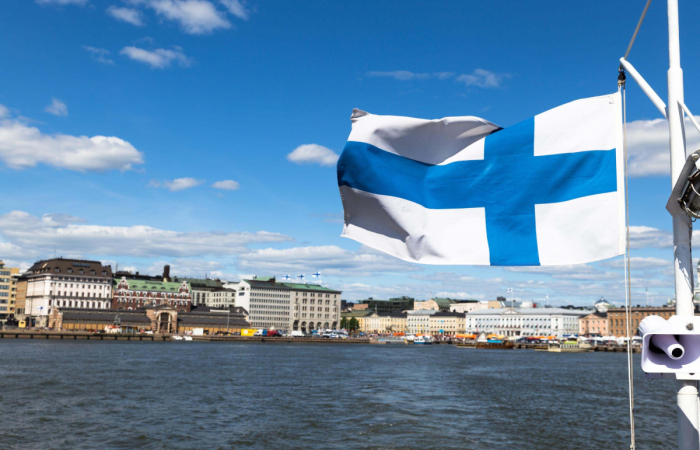
Finland’s decision to buy one million landmines creates a serious contradiction in the policy of the European Union, and is symbolic of a bigger dilemma facing European countries as they get used to the need to acquire “hard” power to face an increasing threat from Russia. Finland is seeking to acquire one million anti-personnel mines at a cost of 100 million euros. Finland, together with Poland, Latvia, Lithuania and Estonia last year abandoned the Ottawa agreement, the international framework that bans the use of anti-personnel mines, which the EU had been instrumental in establishing and supporting. All five countries cite the threat from Moscow as the reason. Colonel Riku Mikkonen of the Army Command told Finland’s national news agency STT that officials are now gathering information from suppliers regarding the deal, the AFP news agency reports. Helsinki would like domestic manufacturers to supply the mines, with contracts signed by the end of 2027 and production up and running by 2028. “It would be useful in many ways if Finnish companies produced the anti-personnel mines in Finland,” Mikkonen said. About half a dozen Finnish firms qualify, he told STT. “However, at this stage, buying the mines from abroad is not totally ruled out,” he added. LANDMINES PROVIDE THE EU WITH BOTH A CONTRADICTION, AND A DILEMMA Eliminating landmine contamination worldwide is one of the EU’s main soft power postures, and it basks in its record as the biggest funder of anti-landmine action in the world. But the fact that 5 of its 27 member states  have now left the Ottawa Treaty dents the EU moral high ground. It is a contradiction that is too big and important to be ignored. It also presents the European Union with a deeper dilemma. The threat from Russia is changing what the EU has stood for decades, namely a force for good able to mobilise its considerable soft power for the greater good of humanity. How the Union will implement this change will define its future. In the meantime landmines have not become any less lethal, benign, or unimportant. They remain in many parts of the world a major threat to life, an impediment to prosperity, and a potential trigger to further conflict. The 22 EU members states that still adhere to the Ottawa treaty must regroup, and be more assertive in their quest against anti-personnel land mines. All the reasons why they supported the Ottawa treaty in the first place still exist. The message must be clear: NO TO LANDMINES!

Popular

Editor's choice
Interview
Thursday Interview: Murad Muradov

Thursday Interview: Murad Muradov

Today, commonspace.eu starts a new regular weekly series. THURSDAY INTERVIEW, conducted by Lauri Nikulainen, will host  persons who are thinkers, opinion shapers, and implementors in their countries and spheres. We start the series with an interview with Murad Muradov, a leading person in Azerbaijan's think tank community. He is also the first co-chair of the Action Committee for a new Armenian-Azerbaijani Dialogue. Last September he made history by being the first Azerbaijani civil society activist to visit Armenia after the 44 day war, and the start of the peace process. Speaking about this visit Murad Muradov said: "My experience was largely positive. My negative expectations luckily didn’t play out. The discussions were respectful, the panel format bringing together experts from Armenia, Azerbaijan, and Turkey was particularly valuable during the NATO Rose-Roth Seminar in Yerevan, and media coverage, while varied in tone, remained largely constructive. Some media outlets though attempted to represent me as more of a government mouthpiece than an independent expert, which was totally misleading.  Overall, I see these initiatives as important steps in rebuilding trust and normalising professional engagement. The fact that soon a larger Azerbaijani civil society visits to Armenia followed, reinforces the sense that this process is moving in the right direction." (click the image to read the interview in full)

