


Комментарий: Опасный момент для мира на Большом Ближнем Востоке

Этот комментарий был подготовлен политическим редактором commonspace.eu.

Убийство главы Корпуса стражей иранской революции "Силы Кудса" в ходе военной операции США, санкционированной президентом Дональдом Трампом, сильно разожгло и без того напряженную ситуацию вокруг Ирана и будет иметь последствия для его соседей на западе и юге - для стран Персидского залива и стран Машрика, а также стран на севере и востоке, на Кавказе и в Центральной Азии. Генерал Касем Сулеймани был не просто еще одним солдатом. Он воплощал идеологическую сущность Исламской Республики Иран, и по значимости в стране, вероятно, уступал только духовному лидеру аятолле Хаманеи.

Иран был в состоянии постоянной революции в течение сорока лет и часто играл не по правилам международной дипломатии. Но его действия и решения гораздо более продуманы и просчитаны, чем считают иногда некоторые из его критиков. Убийство Сулеймани проверит это предположение до предела.

Иранцы гордые люди. Не все из них сочувствуют клерикальному режиму, который ими правит. Некоторые явно против этого, большинство других предпочитают сосуществовать. Тем не менее, большинство иранцев воспримут убийство Сулеймани как национальное оскорбление и поддержат свое правительство, если оно решит каким-то образом отомстить. Дональд Трамп, возможно, сделал невозможное - и объединил иранский народ.

Тем не менее, новые убийства не помогут решить проблемы Ирана или Ближнего Востока. Это опасный момент для мира во всем мире. Необходимо приложить все усилия, чтобы остановить обострение ситуации и, в конечном итоге, восстановить политический диалог между Ираном и его противниками.

Этот комментарий был подготовлен политическим редактором commonspace.eu

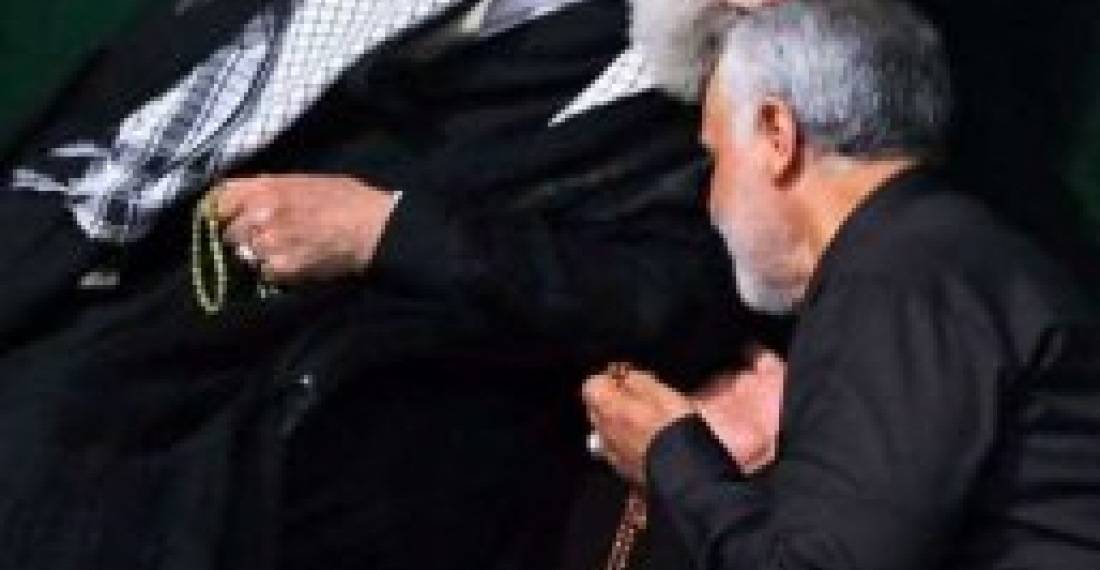
фото: Иранский духовный лидер Аяттола Хаманеи и генерал Касем Солеймани

Мнения, выраженные в комментариях и статьях, не обязательно отражают позицию commonspace.eu или его партнера.


Related articles

Editor's choice
News
Borrell tells the European Parliament that the situation in Afghanistan was critical, but the EU will remain engaged

Borrell tells the European Parliament that the situation in Afghanistan was critical, but the EU will remain engaged

Borrell underlined that the European Union will make every effort to support the peace process and to remain a committed partner to the Afghan people. "Of course, we will have to take into account the evolving situation, but disengagement is not an option.  We are clear on that: there is no alternative to a negotiated political settlement, through inclusive peace talks.
Editor's choice
News
Germany will soon have the largest conventional army in Europe, but there will be no conscription

Germany will soon have the largest conventional army in Europe, but there will be no conscription

The Bundeswehr currently has around 182,000 troops. The new military service model aims to increase that number by 20,000 over the next year, rising to between 255,000 and 260,000 over the next 10 years, supplemented by approximately 200,000 reservists. From next year, all 18-year-old men and women will be sent a questionnaire to assess their interest and willingness to join the armed forces. It will be mandatory for men and voluntary for women. From July 2027 all men aged 18 will also have to take a medical exam to assess their fitness for duty. If the government's targets are not met, a form of compulsory enlistment could be considered by parliament. If war were to break out, the military would be able to draw on the questionnaires and medical exams for potential recruits. Defence Minister Boris Pistorius said despite the new military service plan there was "no cause for concern... no reason for fear". "The more capable of deterrence and defence our armed forces are, through armament through training and through personnel, the less likely it is that we will become a party to a conflict at all," Pistorius said. Defence spending in Germany tumbled after the end of the Cold War, while conscription was suspended in 2011. Given its past, Germany has long been shy of showing military might, but earlier this year Friedrich Merz announced that the rule for German defence "now has to be whatever it takes", following Russia's full-scale invasion of Ukraine. Around 300,000 young men per year will be affected. The defense minister argues that this is the only way for the Bundeswehr to get an idea of who could be called up in the event of a conflict.

Popular

Editor's choice
News
Germany will soon have the largest conventional army in Europe, but there will be no conscription

Germany will soon have the largest conventional army in Europe, but there will be no conscription

The Bundeswehr currently has around 182,000 troops. The new military service model aims to increase that number by 20,000 over the next year, rising to between 255,000 and 260,000 over the next 10 years, supplemented by approximately 200,000 reservists. From next year, all 18-year-old men and women will be sent a questionnaire to assess their interest and willingness to join the armed forces. It will be mandatory for men and voluntary for women. From July 2027 all men aged 18 will also have to take a medical exam to assess their fitness for duty. If the government's targets are not met, a form of compulsory enlistment could be considered by parliament. If war were to break out, the military would be able to draw on the questionnaires and medical exams for potential recruits. Defence Minister Boris Pistorius said despite the new military service plan there was "no cause for concern... no reason for fear". "The more capable of deterrence and defence our armed forces are, through armament through training and through personnel, the less likely it is that we will become a party to a conflict at all," Pistorius said. Defence spending in Germany tumbled after the end of the Cold War, while conscription was suspended in 2011. Given its past, Germany has long been shy of showing military might, but earlier this year Friedrich Merz announced that the rule for German defence "now has to be whatever it takes", following Russia's full-scale invasion of Ukraine. Around 300,000 young men per year will be affected. The defense minister argues that this is the only way for the Bundeswehr to get an idea of who could be called up in the event of a conflict.

