


Кадыров побывал с официальным визитом в Азербайджане. Визит лидера Чечни является частью усилий правительства Азербайджана по развитию отношении со своими соседями на Северном Кавказе.
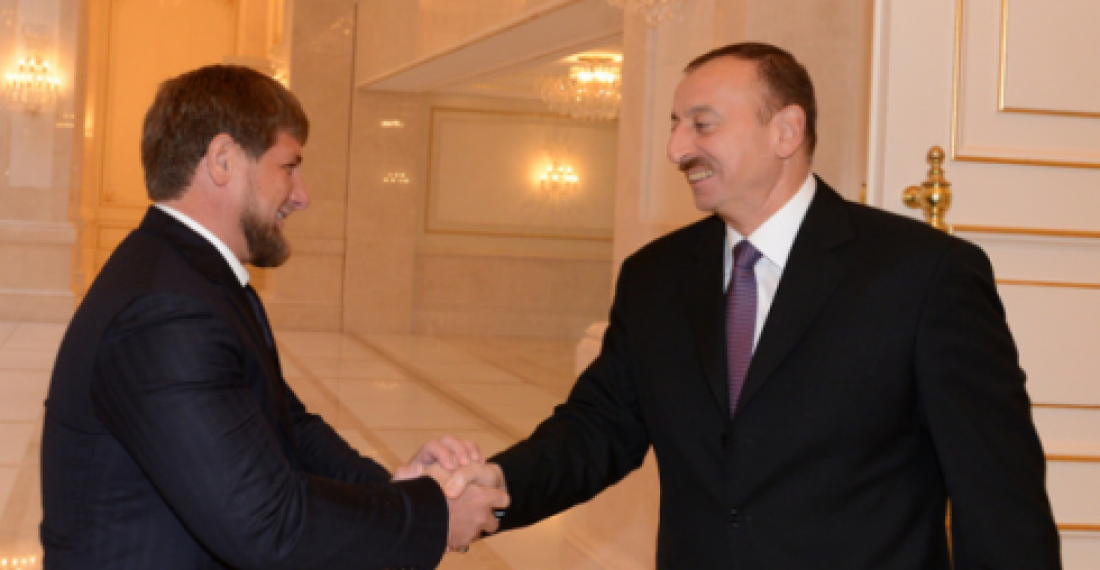

Президент Чечни Рамазан Кадыров находится с официальным визитом в Азербайджане. Чеченский лидер, как ожидается, встретится с президентом Ильхамом Алиевым и другими высокопоставленными официальными лицами Азербайджана.

Агентство АПА сообщает, что Кадыров заявил журналистам, что отношения между Чеченской Республикой России и Азербайджаном всегда были дружественными. "Мы заинтересованы в дальнейшем развитии этих отношений. Для нас интересен опыт Азербайджана в области строительства, образования,  культуры. И мы намерены подписать соглашение по этим вопросам. Я уверен, что этот визит послужит дальнейшему укреплению дружественных связей между нашими народами. У нас много проектов, которые могут заинтересовать азербайджанских инвесторов. Это также и в интересах России. ", сказал он.

Как сообщает АПА, в ходе визита ожидается подписание межправительственного соглашения между Чеченской Республикой и Азербайджаном.

В четверг Кадыров посетил парламент Азербайджана. Приветствуя Кадырова, спикер парламента Октай Асадов отметил, что дружественные отношения между азербайджанским и чеченским народом имеют давнюю историю, и между двумя республиками созданы обширные связи. Он выразил уверенность, что визит главы Чечни даст толчок к дальнейшему расширению этих отношений и их выходу на новый уровень, по сообщениям news.az.

Политический редактор Commonspace.eu сообщает в комментарии, что "Азербайджан в последние годы приложил значительные усилия в развитии отношений с республиками Северного Кавказа, особенно с Дагестаном и Чечней. Азербайджан обеспокоен исламистскими повстанцами на этих территориях и между спецслужбами Азербайджана, России и республик Северного Кавказа было обширное сотрудничество в сфере безопасности.

В 1990-х годах Азербайджан также принимал у себя лидера сепаратистов Аслана Масхадова, что вызвало много беспокойства в Москве. Визит Кадырова является менее спорным и происходит с благословения России. Но Азербайджан все еще должен пройти по тонкой грани, соблюдая политику Москвы на Северном Кавказе, и при этом не стать мишенью для исламистских повстанцев".

Источник: commonspace.eu

Фото: Президент Ильхам Алиев приветствует Рамазана Кадырова в Баку, 15 ноября 2012 года (фото любезно предоставлено пресс-службой президента Азербайджана).

Related articles

Editor's choice
News
Women emerge favourite to lead United Nations from next year, after straw-poll of UN Security Council members

Women emerge favourite to lead United Nations from next year, after straw-poll of UN Security Council members

​ Two women have emerged as favourite to lead the United Nations as Secretary-General from 1 January 2027, when the term of the present incumbent, Antonio Gutteres, expires. A straw poll of the members of the UN Security Council, held on Thursday, 30 July showed that of the seven candidates, Rebecca Grynspan of Costa Rica and Carolyn Rodriguez-Birkett of Guyana received ten and nine positive endorsements respectively, by the 15 members UN Security Council Although the poll and its result are supposed to be secret, the result leaked within minutes, and was carried on world media outlets, such as Reuters. The result was as follows   Michelle Bachelet 6 encourage 5  discourage   4 no opinion María Fernanda Espinosa 5 2 8 Rafael Grossi 7 2 6 Rebeca Grynspan 10 1 4 Olara Otunnu 2 5 8 Carolyn Rodrigues-Birkett 9 2 4 Macky Sall 6 7 2   Article 97 of the UN Charter states that the “Secretary-General shall be appointed by the General Assembly upon the recommendation of the Security Council”. Straw polls are informal ballots used to determine the viability of Secretary-General candidates.  The seven current candidates are: Michelle Bachelet Jeria (Chile), who was nominated by Brazil, Chile, and Mexico on 2 February, with Chile withdrawing its nomination on 24 March; María Fernanda Espinosa Garcés (Ecuador), who was nominated by Antigua and Barbuda on 11 May; Rafael Mariano Grossi (Argentina), who was nominated by Argentina on 26 November 2025; Rebeca Grynspan Mayufis (Costa Rica), who was nominated by Costa Rica on 3 March; Olara Otunnu (Uganda), who was nominated by Uganda on 24 July; Carolyn Rodrigues Birkett (Guyana), who was nominated by Guyana on 15 June; and Macky Sall (Senegal), who was nominated by Burundi on 2 March. At Thursday's straw poll, there was no difference between the ballots presented to the five permanent members (P5) and the ten elected members (E10). Council members received one ballot per candidate, containing the candidate’s name followed by three options: “encouraged”, “discouraged”, and “no opinion expressed”.   It is ofcourse early days, and the straw poll is just an informal indication of the mood of the UN Security Council, but the strong showwing by the two womencandidates may be an indication that for the first time, the head of the UN can be a women. (click image to read more) ​

Popular

Editor's choice
Interview
Thursday Interview: Murad Muradov

Thursday Interview: Murad Muradov

Today, commonspace.eu starts a new regular weekly series. THURSDAY INTERVIEW, conducted by Lauri Nikulainen, will host  persons who are thinkers, opinion shapers, and implementors in their countries and spheres. We start the series with an interview with Murad Muradov, a leading person in Azerbaijan's think tank community. He is also the first co-chair of the Action Committee for a new Armenian-Azerbaijani Dialogue. Last September he made history by being the first Azerbaijani civil society activist to visit Armenia after the 44 day war, and the start of the peace process. Speaking about this visit Murad Muradov said: "My experience was largely positive. My negative expectations luckily didn’t play out. The discussions were respectful, the panel format bringing together experts from Armenia, Azerbaijan, and Turkey was particularly valuable during the NATO Rose-Roth Seminar in Yerevan, and media coverage, while varied in tone, remained largely constructive. Some media outlets though attempted to represent me as more of a government mouthpiece than an independent expert, which was totally misleading.  Overall, I see these initiatives as important steps in rebuilding trust and normalising professional engagement. The fact that soon a larger Azerbaijani civil society visits to Armenia followed, reinforces the sense that this process is moving in the right direction." (click the image to read the interview in full)


