


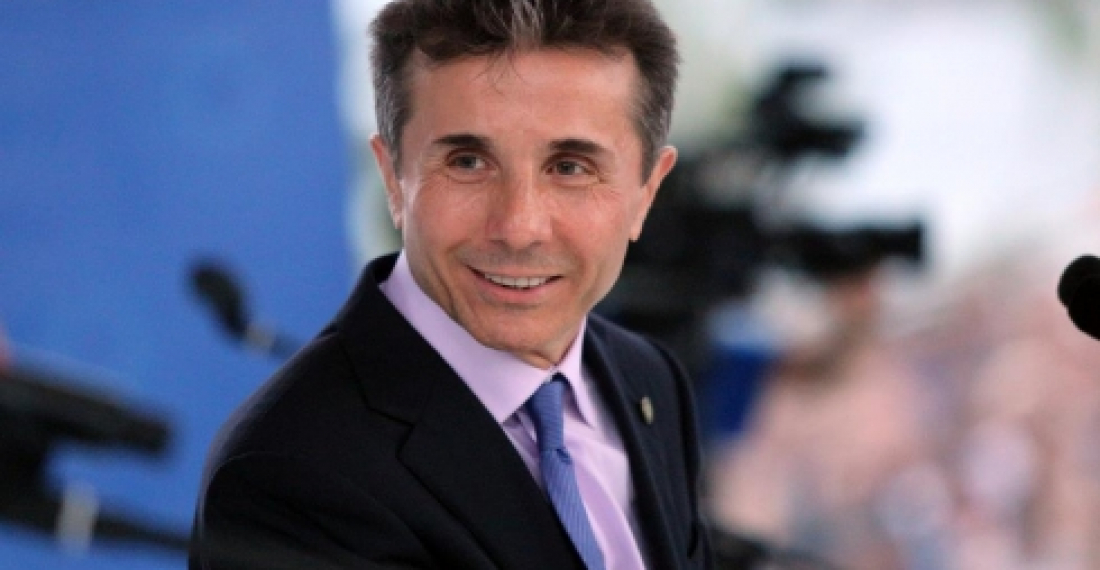
Иванишвили обращается к Абхазии и Южной Осетии в своей скорбной речи по случаю годовщины августовской войны сообщая, что он готов к прямому диалогу.

Премьер-министр Грузии, Бидзина Иванишвили, в своем обращении к новобранцев в день годовщины 5-летия августовской войны 2008 года между Грузией и Россией почтил тех, кто боролся и погиб за грузинский народ, но подчеркнул необходимость для Грузии извлечения уроков из конфликта.

Иванишвили заявил:

"Я надеюсь, что мы сделаем правильные выводы из этих трагических дней в истории Грузии и должным образом определим планы на будущее. Я убежден, что наша последовательная политика позволит нам восстановить в полном объеме мирные отношения между грузинами и осетинами, грузинами и абхазцами. Мы восстановим нашу силу и сможем простить друг друга. Тем не менее, этого недостаточно. Мы должны также добиться успеха в признании собственных ошибок. Мы должны исправить то, что еще можно исправить. Нынешнее положение дел более неприемлемо.

Мы готовы к прямому диалогу с нашими абхазскими и осетинскими братьями. Я убежден, что мы найдем общий язык для создания общих отношений в будущем."

В той же речи Иванишвили заявил:

"В августе 2008 года Россия осуществила вооруженную агрессию против Грузии. Оккупированные территории были признаны Россией в качестве независимых государств. Это был тяжелый удар для государственности Грузии. К сожалению, Грузия также виновата в произошедшем, что было подтверждено Европейским Союзом в его докладе в 2009 году.

Мы должны не только сделать ясные выводы из этих трагических событии, но и также подумать о завтрашнем дне. Поэтому, несмотря ни на что, мы ищем формы общения с Россией. В конце прошлого года мы начали прямой диалог. На начальном этапе, мы нацелены на решение конкретных вопросов. На следующем этапе, мы должны будем решить еще более трудные задачи. Доброжелательное отношение между нашими народами дает нам надежду, что этот процесс будет развиваться позитивно".

Полная речь премьер-министра Грузии доступна здесь

источник: Правительство Грузии www.government.gov.ge

Related articles

Editor's choice
News
The British prime minister says Europe must "stand on its own two feet" when it comes to defence

The British prime minister says Europe must "stand on its own two feet" when it comes to defence

The UK will deploy a carrier strike group, led by the aircraft carrier HMS Prince of Wales to the Arctic and the High North as part of efforts to bolster security against Russian threats. British prime minister, Sir Keir Starmer announced the deployment in a speech on Saturday (14 February) at the Munich Security Conference. Europe must be ready to fight to protect its people, values, and way of life,  Sir Keir told the Conference. Starmer also called for deeper links and cooperation, including economic ties, between the UK and EU. The PM stressed the continent must "stand on its own two feet" when it comes to defence commitments. "We must build our hard power, because that is the currency of the age," he told the conference. (Click image to read the full story).

Popular

Editor's choice
Interview
Thursday Interview: Murad Muradov

Thursday Interview: Murad Muradov

Today, commonspace.eu starts a new regular weekly series. THURSDAY INTERVIEW, conducted by Lauri Nikulainen, will host  persons who are thinkers, opinion shapers, and implementors in their countries and spheres. We start the series with an interview with Murad Muradov, a leading person in Azerbaijan's think tank community. He is also the first co-chair of the Action Committee for a new Armenian-Azerbaijani Dialogue. Last September he made history by being the first Azerbaijani civil society activist to visit Armenia after the 44 day war, and the start of the peace process. Speaking about this visit Murad Muradov said: "My experience was largely positive. My negative expectations luckily didn’t play out. The discussions were respectful, the panel format bringing together experts from Armenia, Azerbaijan, and Turkey was particularly valuable during the NATO Rose-Roth Seminar in Yerevan, and media coverage, while varied in tone, remained largely constructive. Some media outlets though attempted to represent me as more of a government mouthpiece than an independent expert, which was totally misleading.  Overall, I see these initiatives as important steps in rebuilding trust and normalising professional engagement. The fact that soon a larger Azerbaijani civil society visits to Armenia followed, reinforces the sense that this process is moving in the right direction." (click the image to read the interview in full)


