


Годовщина ещё одной трагедии. Азербайджан отмечает 20-ю годовщину Ходжалинской резни.
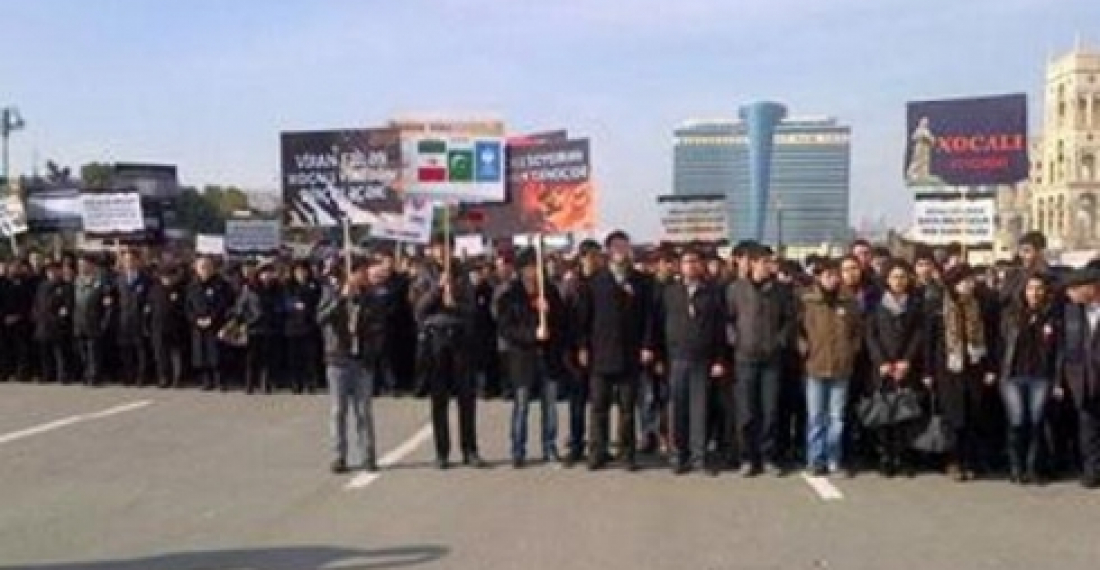
26 февраля является годовщиной одной из печальных дат в новейшей истории Кавказа. Двадцать лет назад были убиты четыреста азербайджанцев, когда они покидали город Ходжалы, который был атакован вооруженными силами Армении.

Писатель Томас де Ваал, автор книги о карабахском конфликте "Черный сад" описывает это событие, как худший эпизод армяно-азербайджанского конфликта вокруг Нагорного Карабаха и добавляет:

"Холодным утром 26 февраля 1992 года, более 400 азербайджанцев, бежавших из города, были убиты армянскими солдатами или бойцами военизированных групп. Среди жертв были военнослужащие, но большинство из них составляли мирные жители. Убийства были задокументированы детально журналистами в то время, а затем и организациями по правам человека такими, как Хьюман Райтс Вотч и Мемориал.

Для азербайджанцев убийства в Ходжалы стали оселком для их потерь в карабахском конфликте. Как символ национальной трагедии, они отмечают это дату с каждым годом с еще большей по масштабам церемонией, хотя некоторые из этих мероприятий могут показаться неуместнымм для сторонних наблюдателей, например, когда школьники показывают фотографии с мёртвыми телами.

Излишне говорить, что для армянской стороны это сложная тема. Они перенесли собственные потери от рук азербайджанцев в ходе конфликта. Одновременно с убийствами в Ходжалы (армяне называют город Ходжалу) азербайджанские ракеты падавшие на Степанакерт привели к смертям среди армянского гражданского населения. Но, стремясь минимизировать свои акты агрессии, многие армяне пытались отрицать, что их солдаты убивали мирных жителей в этот день".


Президент Азербайджана Ильхам Алиев и первая леди Мехрибан Алиева сегодня утром посетили памятник Ходжалы в Баку, чтобы воздать должное жертвам геноцида в Ходжалы. Тысячи людей прошли от Бакинского порта к памятнику. Азербайджанские общины, находящиеся за границей, также вспоминают эту дату.

Источник: commonspace.eu по материалам www.carnegieendowment.org и APA

Фото: Марш от бакинского порта к Памятнику Ходжалы во время 20-й годовщины. (фото любезно предоставлено news.az)

Related articles

Editor's choice
News
The British prime minister says Europe must "stand on its own two feet" when it comes to defence

The British prime minister says Europe must "stand on its own two feet" when it comes to defence

The UK will deploy a carrier strike group, led by the aircraft carrier HMS Prince of Wales to the Arctic and the High North as part of efforts to bolster security against Russian threats. British prime minister, Sir Keir Starmer announced the deployment in a speech on Saturday (14 February) at the Munich Security Conference. Europe must be ready to fight to protect its people, values, and way of life,  Sir Keir told the Conference. Starmer also called for deeper links and cooperation, including economic ties, between the UK and EU. The PM stressed the continent must "stand on its own two feet" when it comes to defence commitments. "We must build our hard power, because that is the currency of the age," he told the conference. (Click image to read the full story).

Popular

Editor's choice
Interview
Thursday Interview: Murad Muradov

Thursday Interview: Murad Muradov

Today, commonspace.eu starts a new regular weekly series. THURSDAY INTERVIEW, conducted by Lauri Nikulainen, will host  persons who are thinkers, opinion shapers, and implementors in their countries and spheres. We start the series with an interview with Murad Muradov, a leading person in Azerbaijan's think tank community. He is also the first co-chair of the Action Committee for a new Armenian-Azerbaijani Dialogue. Last September he made history by being the first Azerbaijani civil society activist to visit Armenia after the 44 day war, and the start of the peace process. Speaking about this visit Murad Muradov said: "My experience was largely positive. My negative expectations luckily didn’t play out. The discussions were respectful, the panel format bringing together experts from Armenia, Azerbaijan, and Turkey was particularly valuable during the NATO Rose-Roth Seminar in Yerevan, and media coverage, while varied in tone, remained largely constructive. Some media outlets though attempted to represent me as more of a government mouthpiece than an independent expert, which was totally misleading.  Overall, I see these initiatives as important steps in rebuilding trust and normalising professional engagement. The fact that soon a larger Azerbaijani civil society visits to Armenia followed, reinforces the sense that this process is moving in the right direction." (click the image to read the interview in full)



