


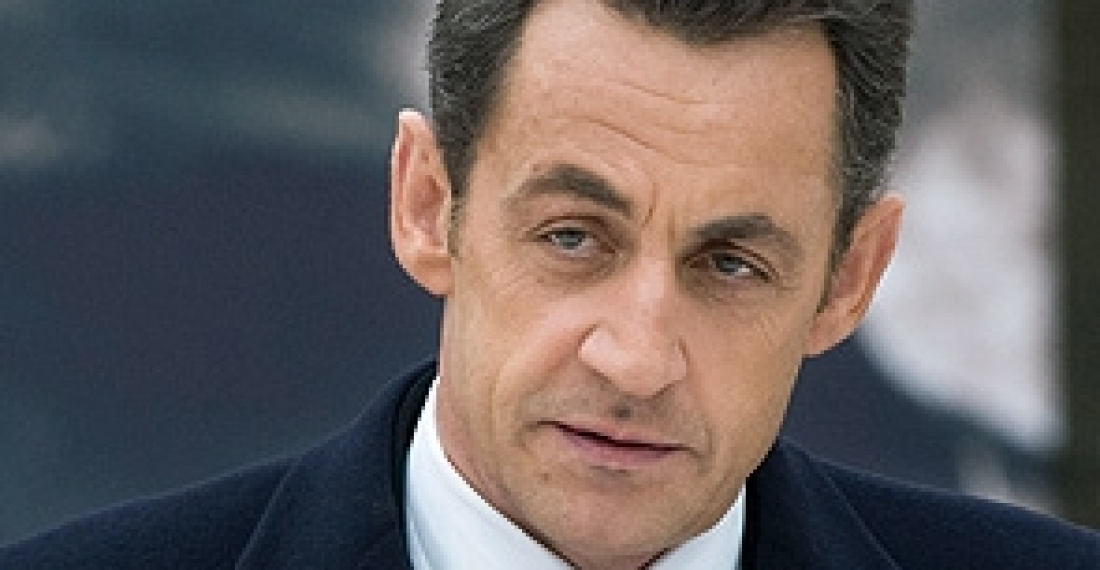
ФРАНЦИЯ-ПРЕЗИДЕНТ-ГЕНОЦИД-МНЕНИЕ

Если отрицание будет продолжаться, то Франция пойдет на другие шаги и внесет законодательные изменения по криминализации отрицания Геноцида армян. Об этом сегодня на совместной с президентом Армении Сержем Саргсяном пресс-конференции заявил глава французского государства Николя Саркози, находящийся в Ереване с государственным визитом.

Франция в 2001 году на парламентском уровне признала Геноцид армян в Османской империи, однако законопроект о привлечении к уголовной ответственности за отрицание Геноцида пока не принят Сенатом, продолжил он, добавив, что  Париж ожидает разумного подхода со стороны турецкого общества и правительства в вопросе скорейшего признания Геноцида армян.

"Настало время для реализации желания армян всего мира о признании Геноцида.  Надеюсь, это случится в период моего президентства", - сказал Саркози, отметив при этом, что  если бы Турция признала черные страницы своей истории - Геноцид начала века, то Франция и Армения посчитали бы это сильным жестом в направлении мира и большим шагом к примирению.
Как считает глава французского государства, не может быть прочного примирения без признания страданий людей, отрицания исторических фактов.


"Если такая большая страна как Турция, которая часто демонстрировала свою смелость, нашла бы силы пойти на такой шаг, то для Франции было бы достаточно законодательно признать геноцид", - сказал Саркози.


"Франция не может предъявить ультиматум Турции, мы, таким образом, не можем помочь примирению двух народов. Но с 1915 года прошло достаточно времени для принятия решения, и ответом Франции на шаги руководства Турции будут скорейшие шаги", - сказал Саркози.


Отметим, что геноцид армян 1915 года признан многими государствами мира - Уругваем, Россией, Францией, Литвой, Грецией, Кипром, Аргентиной, Бельгией, Уэльсом и др. Сама же Турция, на территории которой было уничтожено 1,5 млн армян, отвергает данный факт.
Related articles

Editor's choice
News
The British prime minister says Europe must "stand on its own two feet" when it comes to defence

The British prime minister says Europe must "stand on its own two feet" when it comes to defence

The UK will deploy a carrier strike group, led by the aircraft carrier HMS Prince of Wales to the Arctic and the High North as part of efforts to bolster security against Russian threats. British prime minister, Sir Keir Starmer announced the deployment in a speech on Saturday (14 February) at the Munich Security Conference. Europe must be ready to fight to protect its people, values, and way of life,  Sir Keir told the Conference. Starmer also called for deeper links and cooperation, including economic ties, between the UK and EU. The PM stressed the continent must "stand on its own two feet" when it comes to defence commitments. "We must build our hard power, because that is the currency of the age," he told the conference. (Click image to read the full story).

Popular

Editor's choice
Interview
Thursday Interview: Murad Muradov

Thursday Interview: Murad Muradov

Today, commonspace.eu starts a new regular weekly series. THURSDAY INTERVIEW, conducted by Lauri Nikulainen, will host  persons who are thinkers, opinion shapers, and implementors in their countries and spheres. We start the series with an interview with Murad Muradov, a leading person in Azerbaijan's think tank community. He is also the first co-chair of the Action Committee for a new Armenian-Azerbaijani Dialogue. Last September he made history by being the first Azerbaijani civil society activist to visit Armenia after the 44 day war, and the start of the peace process. Speaking about this visit Murad Muradov said: "My experience was largely positive. My negative expectations luckily didn’t play out. The discussions were respectful, the panel format bringing together experts from Armenia, Azerbaijan, and Turkey was particularly valuable during the NATO Rose-Roth Seminar in Yerevan, and media coverage, while varied in tone, remained largely constructive. Some media outlets though attempted to represent me as more of a government mouthpiece than an independent expert, which was totally misleading.  Overall, I see these initiatives as important steps in rebuilding trust and normalising professional engagement. The fact that soon a larger Azerbaijani civil society visits to Armenia followed, reinforces the sense that this process is moving in the right direction." (click the image to read the interview in full)

