


Евросоюз стремится к укреплению отношений с Арменией

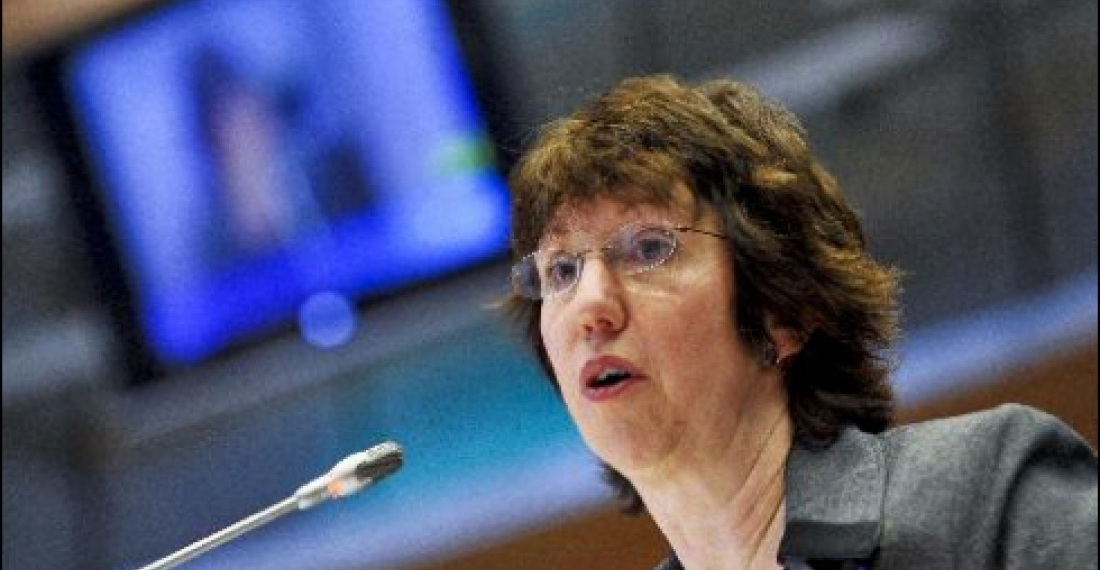
Отношения ЕС с Арменией – это не только деньги, но сотрудничество, прежде всего. Об этом 17 ноября в Ереване заявила Верховный комиссар Евросоюза по вопросам внешней политики и безопасности Кэтрин Эштон на совместной пресс-конференции с главой МИД Армении Эдвардом Налбандяном, комментируя возможность сокращения финансирования программ, в частности, «Восточного партнерства», в свете мирового экономического кризиса.

«В столицах ЕС часто выражают желание укреплять, а не ослаблять отношения. Хотя кризис затронул все страны, но в Европе существует большое желание выполнять взятые на себя обязательства и сохранить темпы развития отношений. Эти отношения не завязаны только на деньгах, но оно подразумевает сотрудничество, способы для совестной работы, например, в сфере создание зоны свободной торговли, что призвано помочь развитию малого бизнеса, экспорта», - подчеркнула Эштон. Она отметила, что накануне в ходе встречи с президентом Армении Сержем Саргсяном глава государства проинформировал ее о наличии в стране 350 компаний по высоким технологиям. Эштон выразила уверенность, что их развитие, развитие сельского хозяйства, приведет к развитию экономики в целом.

Кроме того, еврочиновник выразила удовлетворение прогрессом, достигнутым Арменией в двусторонних отношениях между Евросоюзом и Арменией. «Мы достигли реального прогресса в развитии и укреплении этих отношений, которые основаны на общих ценностях, ценностях, которые направлены на поддержку народа страны, поддержку демократии, защиты прав человека и верховенства закона», - отметила Эштон. Она добавила, что в ходе ее визита в Ереван были обсуждены вопросы, связанные с регионом, а также стоящие перед Арменией проблемы. «Вам необходимо продвигаться вперед с тем, чтобы регион мог расти в экономическом и политическом смысле, и укреплять свои отношения с ЕС», - подчеркнула она.

Говоря о международной повестке, она отметила: «Мы очень хорошо осознаем роль, которую вы играете,  и по мере того, как Армения развивает и строит свои международные отношения, это сказывается также на двусторонних отношениях».
Related articles

Editor's choice
News
The British prime minister says Europe must "stand on its own two feet" when it comes to defence

The British prime minister says Europe must "stand on its own two feet" when it comes to defence

The UK will deploy a carrier strike group, led by the aircraft carrier HMS Prince of Wales to the Arctic and the High North as part of efforts to bolster security against Russian threats. British prime minister, Sir Keir Starmer announced the deployment in a speech on Saturday (14 February) at the Munich Security Conference. Europe must be ready to fight to protect its people, values, and way of life,  Sir Keir told the Conference. Starmer also called for deeper links and cooperation, including economic ties, between the UK and EU. The PM stressed the continent must "stand on its own two feet" when it comes to defence commitments. "We must build our hard power, because that is the currency of the age," he told the conference. (Click image to read the full story).

Popular

Editor's choice
Interview
Thursday Interview: Murad Muradov

Thursday Interview: Murad Muradov

Today, commonspace.eu starts a new regular weekly series. THURSDAY INTERVIEW, conducted by Lauri Nikulainen, will host  persons who are thinkers, opinion shapers, and implementors in their countries and spheres. We start the series with an interview with Murad Muradov, a leading person in Azerbaijan's think tank community. He is also the first co-chair of the Action Committee for a new Armenian-Azerbaijani Dialogue. Last September he made history by being the first Azerbaijani civil society activist to visit Armenia after the 44 day war, and the start of the peace process. Speaking about this visit Murad Muradov said: "My experience was largely positive. My negative expectations luckily didn’t play out. The discussions were respectful, the panel format bringing together experts from Armenia, Azerbaijan, and Turkey was particularly valuable during the NATO Rose-Roth Seminar in Yerevan, and media coverage, while varied in tone, remained largely constructive. Some media outlets though attempted to represent me as more of a government mouthpiece than an independent expert, which was totally misleading.  Overall, I see these initiatives as important steps in rebuilding trust and normalising professional engagement. The fact that soon a larger Azerbaijani civil society visits to Armenia followed, reinforces the sense that this process is moving in the right direction." (click the image to read the interview in full)

