


ЭШТОН НА КАВКАЗЕ. Визит главы внешнеполитического ведомства ЕС является признаком того, что взаимодействие с Европой вступает в новую фазу.
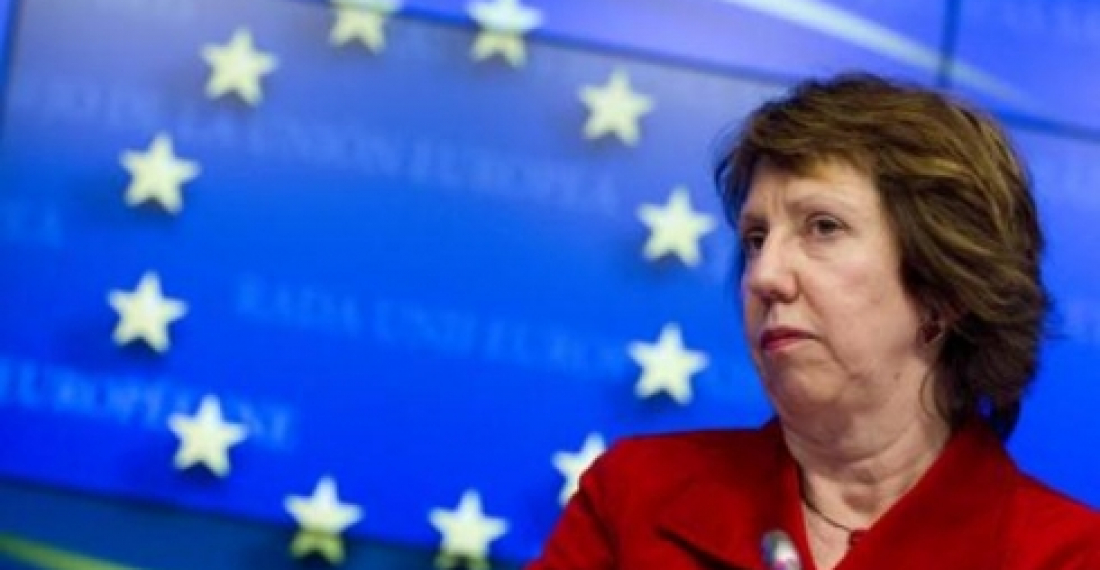

Высокий представитель Европейского союза по внешней политике и безопасности Кэтрин Эштон, прибыла сегодня в Баку в начале своего турне, в течение которого она посетит все три страны Южного Кавказа. Этот визит знаменует новую главу взаимодействия ЕС с регионом. Слишком долго отношения с странами Южного Кавказа были делегированы более молодым членам руководства ЕС. Визит Кэтрин Эштон, и личный интерес, который она проявила в отношениях со странами региона после ее назначения на пост Высокого представителя в прошлом году, отражают важные изменения в том, как Брюссель взаимодействует с регионом, и его приверженность помочь разрешить проблемы и развивать потенциал региона.

Эштон посетит Азербайджан, Армению и Грузию перед поездкой в Москву на встречу Россия-ЕС. Это тоже символично, посылая четкий сигнал руководству России, что ЕС не намерен оказаться на обочине в регионе, и что она будет реагировать на стремление трех стран Южного Кавказа к более тесным отношениям с Европой.


Процесс переговоров по соглашению об ассоциации между ЕС и тремя странами идет полным ходом. ЕС сейчас готова играть более активную роль в разрешении конфликтов в регионе, которые слишком долго душили прогресс региона. Ожидается, что во время своего визита Эштон также пошлет ясный сигнал руководству трех стран о том, что они могут рассчитывать на полную поддержку Европы в их стремлениях развиваться и модернизироваться, но и о том, что они сами должны продвигать политические и экономические реформы, и что Европейский Союз не намерен идти на компромисс в своих ожиданиях высоких стандартов в области эффективного управления и демократической практики своих ближайших партнеров.


Источник: commonspace.eu


Фото: Баронесса Эштон на заседании Европейского совета 14 ноября 2011 года (фотографии любезно предоставлены пресс-службе Совета Европы)

Related articles

Editor's choice
News
The British prime minister says Europe must "stand on its own two feet" when it comes to defence

The British prime minister says Europe must "stand on its own two feet" when it comes to defence

The UK will deploy a carrier strike group, led by the aircraft carrier HMS Prince of Wales to the Arctic and the High North as part of efforts to bolster security against Russian threats. British prime minister, Sir Keir Starmer announced the deployment in a speech on Saturday (14 February) at the Munich Security Conference. Europe must be ready to fight to protect its people, values, and way of life,  Sir Keir told the Conference. Starmer also called for deeper links and cooperation, including economic ties, between the UK and EU. The PM stressed the continent must "stand on its own two feet" when it comes to defence commitments. "We must build our hard power, because that is the currency of the age," he told the conference. (Click image to read the full story).

Popular

Editor's choice
Interview
Thursday Interview: Murad Muradov

Thursday Interview: Murad Muradov

Today, commonspace.eu starts a new regular weekly series. THURSDAY INTERVIEW, conducted by Lauri Nikulainen, will host  persons who are thinkers, opinion shapers, and implementors in their countries and spheres. We start the series with an interview with Murad Muradov, a leading person in Azerbaijan's think tank community. He is also the first co-chair of the Action Committee for a new Armenian-Azerbaijani Dialogue. Last September he made history by being the first Azerbaijani civil society activist to visit Armenia after the 44 day war, and the start of the peace process. Speaking about this visit Murad Muradov said: "My experience was largely positive. My negative expectations luckily didn’t play out. The discussions were respectful, the panel format bringing together experts from Armenia, Azerbaijan, and Turkey was particularly valuable during the NATO Rose-Roth Seminar in Yerevan, and media coverage, while varied in tone, remained largely constructive. Some media outlets though attempted to represent me as more of a government mouthpiece than an independent expert, which was totally misleading.  Overall, I see these initiatives as important steps in rebuilding trust and normalising professional engagement. The fact that soon a larger Azerbaijani civil society visits to Armenia followed, reinforces the sense that this process is moving in the right direction." (click the image to read the interview in full)


