


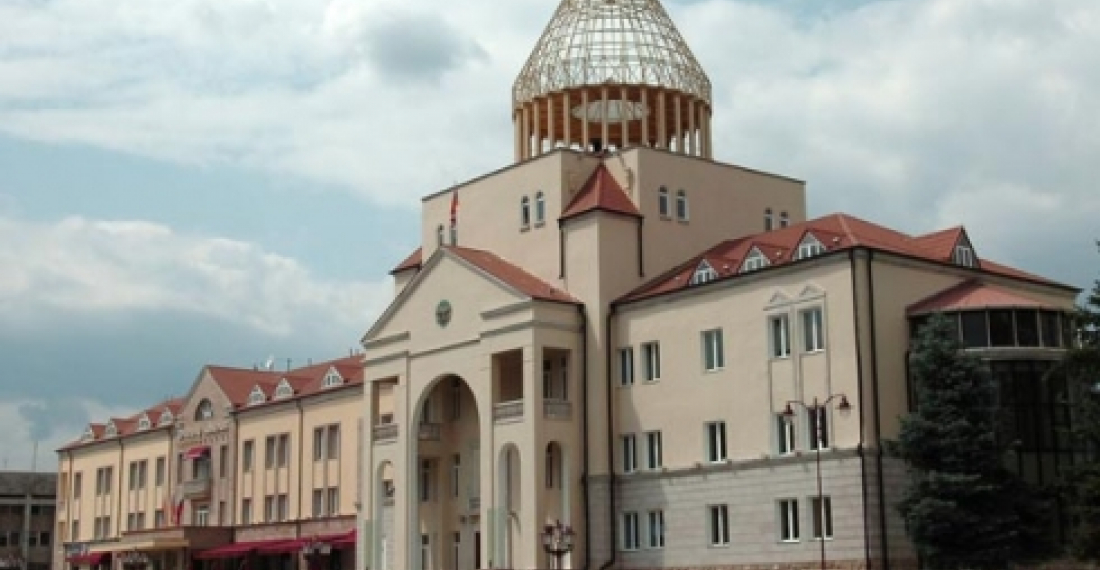
Депутаты карабахского парламента осуждают армянскую резню в Сумгаите и спекуляции Баку по Ходжалу

Парламентские фракции и группы Национального Собрания Нагорного Карабаха приняли совместное заявление, в котором отмечается, что 24 года назад, 20 февраля 1988 года, в соответствии с Конституцией и действовавшим законам СССР, бывший областной совет Нагорного Карабаха, приняв за основу волю армянского населения автономной области, обратился к Верховным Советам Азербайджанской и Армянской ССР с вопросом о включении НКАО в состав АрмССР. В ответ на это законное требование последовали репрессии со стороны азербайджанских властей.

Как сообщает собкор АрмИнфо в Степанакерте, в заявлении, в частности, отмечается, что "продолжая политику наведения ужаса на армянство Нагорного Карабаха и население армянонаселенных пунктов Азербайджана, 26-28 февраля 1988 года власти Азербайджана спланировали и хладнокровно осуществили резню армянского населения Сумгаита, которая доказана тысячами свидетельств".

"Преследуя цель скрыть свое преступное отношение к участи не только мирного армянского, но и азербайджанского населения Нагорного Карабаха, правящая элита Азербайджана уже 20 лет подряд спекулирует на тему <геноцида мирного населения Ходжалу.  Принимая за основу свидетельства многих очевидцев тех событий, которые были зафиксированы как журналистами, так и международными правозащитными организациями, подтверждаются и некоторыми азербайджанскими авторами, и во имя справедливого и правдивого представления фактов, депутатские фракции и группы Национального собрания НКР заявляют, что ответственность за насилие, осуществленное 26-29 февраля 1988 года в отношении мирного населения г.Сумгаит Азербайджана, и спустя четыре года, 26-27 февраля - в отношении мирного населения села Ходжалу Аскеранского района НКР, несут исключительно власти Азербайджана и силы, которые вели с ними яростную внутриполитическую борьбу", - подчеркивается в заявлении.

В своем заявлении карабахские парламентарии, подтвердив свою приверженность мирному урегулированию проблемы, предложили азербайджанской стороне "отказаться от безосновательной и безответственной политики вражды и ненависти, и направить усилия на создание основ дальнейшего мирного сосуществования двух соседних государств и народов".


 

Related articles

Editor's choice
News
The British prime minister says Europe must "stand on its own two feet" when it comes to defence

The British prime minister says Europe must "stand on its own two feet" when it comes to defence

The UK will deploy a carrier strike group, led by the aircraft carrier HMS Prince of Wales to the Arctic and the High North as part of efforts to bolster security against Russian threats. British prime minister, Sir Keir Starmer announced the deployment in a speech on Saturday (14 February) at the Munich Security Conference. Europe must be ready to fight to protect its people, values, and way of life,  Sir Keir told the Conference. Starmer also called for deeper links and cooperation, including economic ties, between the UK and EU. The PM stressed the continent must "stand on its own two feet" when it comes to defence commitments. "We must build our hard power, because that is the currency of the age," he told the conference. (Click image to read the full story).

Popular

Editor's choice
Interview
Thursday Interview: Murad Muradov

Thursday Interview: Murad Muradov

Today, commonspace.eu starts a new regular weekly series. THURSDAY INTERVIEW, conducted by Lauri Nikulainen, will host  persons who are thinkers, opinion shapers, and implementors in their countries and spheres. We start the series with an interview with Murad Muradov, a leading person in Azerbaijan's think tank community. He is also the first co-chair of the Action Committee for a new Armenian-Azerbaijani Dialogue. Last September he made history by being the first Azerbaijani civil society activist to visit Armenia after the 44 day war, and the start of the peace process. Speaking about this visit Murad Muradov said: "My experience was largely positive. My negative expectations luckily didn’t play out. The discussions were respectful, the panel format bringing together experts from Armenia, Azerbaijan, and Turkey was particularly valuable during the NATO Rose-Roth Seminar in Yerevan, and media coverage, while varied in tone, remained largely constructive. Some media outlets though attempted to represent me as more of a government mouthpiece than an independent expert, which was totally misleading.  Overall, I see these initiatives as important steps in rebuilding trust and normalising professional engagement. The fact that soon a larger Azerbaijani civil society visits to Armenia followed, reinforces the sense that this process is moving in the right direction." (click the image to read the interview in full)

