


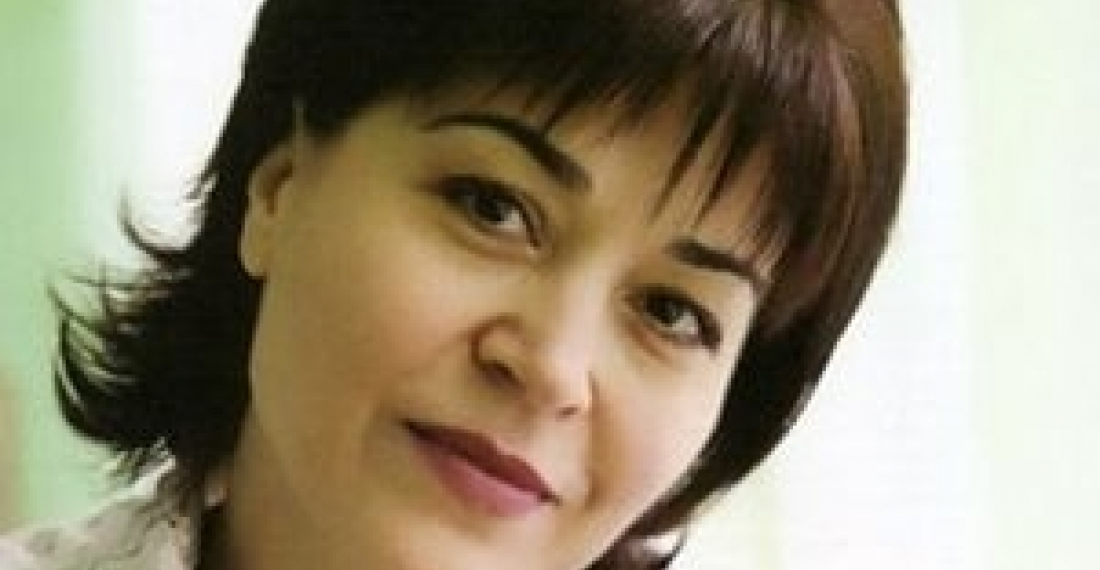
Цветана Паскалева:

18 ноября в Ереване состоялась презентация двойного DVD “Раны Карабаха”, в который вошли 7 документальных фильмов болгарской журналистки Цветаны Паскалевой.

Паскалева известна как один из главных историографов Карабахcкого движения: начиная с 1991-го, журналистка сняла в общей сложности 7 документальных картин, которые открыли миру Карабах. Сама Паскалева не скрывает того, что периодами чувствовала, что силы ее иссякают: страшные эпизоды войны были слишком сильной ношей, выпавшей на долю хрупкой женщины. Однако мужество простых людей-карабахцев, которые, превозмогая боль и слезы отчаяния, двигались вперед, придавало ей силы и заставляло продолжать работу.

Итогом деятельности Паскалевой стали фильмы “Высоты надежды”, “Будет ли утро над Карабаxом”, “Дорогие мои, живые и мертвые”, “Раны Карабаxа”, “Солдаты своей земли”, “Затишье”, “Вера и дуx”. В каждом из них – красота карабахского края, сила простого народа, мужество и героизм армянских солдат. Генерал-майор Аркадий Тер-Тадевосян (“Командос”) вспоминает: “Я понял, что это человек, влюбленный в Карабах. Энергия в ней просто кипела. Снимала солдат, беседовала с детьми… Очень хотела узнать лучше армянский народ. Не боялась опасности, повторяя – это моя работа. Ее любовь к Карабаху видна через ее фильмы ”.

Трудно представить, но эту отважную женщину азербайджанская сторона трижды (!) приговаривала к смертной казни. Несмотря на это, Паскалева не оставила свой “боевой пост” и продолжила работать над документальными лентами, рассказывающими об истинной ситуации в Карабахе. После перемирия, объявленного в 1994 году, журналистка решила не уезжать из Армении. Удерживала ее не только любовь к стране, ставшей для нее второй родиной, но и главное желание - увидеть мирное разрешение конфликта. Интересно, но тем самым сбылись слова Католикоса Всех Армян Вазгена Первого, который однажды сказал, что “у нее на армянской земле особая миссия, и она навсегда останется в Армении”.

Изданный двойной DVD “Раны Карабаха” – это своеобразное подведение итогов работы Цветаны Паскалевой в годы войны. В альбом вошли все 7 документальные фильмы в переводе на армянский, русский, английский, французский, испанский и болгарский языки. Как считает сама журналистка, “Раны Карабаха” необходимы для правильного понимания Карабахского вопроса, который все еще ждет своего решения.


Related articles

Editor's choice
News
Women emerge favourite to lead United Nations from next year, after straw-poll of UN Security Council members

Women emerge favourite to lead United Nations from next year, after straw-poll of UN Security Council members

​ Two women have emerged as favourite to lead the United Nations as Secretary-General from 1 January 2027, when the term of the present incumbent, Antonio Gutteres, expires. A straw poll of the members of the UN Security Council, held on Thursday, 30 July showed that of the seven candidates, Rebecca Grynspan of Costa Rica and Carolyn Rodriguez-Birkett of Guyana received ten and nine positive endorsements respectively, by the 15 members UN Security Council Although the poll and its result are supposed to be secret, the result leaked within minutes, and was carried on world media outlets, such as Reuters. The result was as follows   Michelle Bachelet 6 encourage 5  discourage   4 no opinion María Fernanda Espinosa 5 2 8 Rafael Grossi 7 2 6 Rebeca Grynspan 10 1 4 Olara Otunnu 2 5 8 Carolyn Rodrigues-Birkett 9 2 4 Macky Sall 6 7 2   Article 97 of the UN Charter states that the “Secretary-General shall be appointed by the General Assembly upon the recommendation of the Security Council”. Straw polls are informal ballots used to determine the viability of Secretary-General candidates.  The seven current candidates are: Michelle Bachelet Jeria (Chile), who was nominated by Brazil, Chile, and Mexico on 2 February, with Chile withdrawing its nomination on 24 March; María Fernanda Espinosa Garcés (Ecuador), who was nominated by Antigua and Barbuda on 11 May; Rafael Mariano Grossi (Argentina), who was nominated by Argentina on 26 November 2025; Rebeca Grynspan Mayufis (Costa Rica), who was nominated by Costa Rica on 3 March; Olara Otunnu (Uganda), who was nominated by Uganda on 24 July; Carolyn Rodrigues Birkett (Guyana), who was nominated by Guyana on 15 June; and Macky Sall (Senegal), who was nominated by Burundi on 2 March. At Thursday's straw poll, there was no difference between the ballots presented to the five permanent members (P5) and the ten elected members (E10). Council members received one ballot per candidate, containing the candidate’s name followed by three options: “encouraged”, “discouraged”, and “no opinion expressed”.   It is ofcourse early days, and the straw poll is just an informal indication of the mood of the UN Security Council, but the strong showwing by the two womencandidates may be an indication that for the first time, the head of the UN can be a women. (click image to read more) ​

Popular

Editor's choice
Interview
Thursday Interview: Murad Muradov

Thursday Interview: Murad Muradov

Today, commonspace.eu starts a new regular weekly series. THURSDAY INTERVIEW, conducted by Lauri Nikulainen, will host  persons who are thinkers, opinion shapers, and implementors in their countries and spheres. We start the series with an interview with Murad Muradov, a leading person in Azerbaijan's think tank community. He is also the first co-chair of the Action Committee for a new Armenian-Azerbaijani Dialogue. Last September he made history by being the first Azerbaijani civil society activist to visit Armenia after the 44 day war, and the start of the peace process. Speaking about this visit Murad Muradov said: "My experience was largely positive. My negative expectations luckily didn’t play out. The discussions were respectful, the panel format bringing together experts from Armenia, Azerbaijan, and Turkey was particularly valuable during the NATO Rose-Roth Seminar in Yerevan, and media coverage, while varied in tone, remained largely constructive. Some media outlets though attempted to represent me as more of a government mouthpiece than an independent expert, which was totally misleading.  Overall, I see these initiatives as important steps in rebuilding trust and normalising professional engagement. The fact that soon a larger Azerbaijani civil society visits to Armenia followed, reinforces the sense that this process is moving in the right direction." (click the image to read the interview in full)

