ВОЙНА СЛОВ

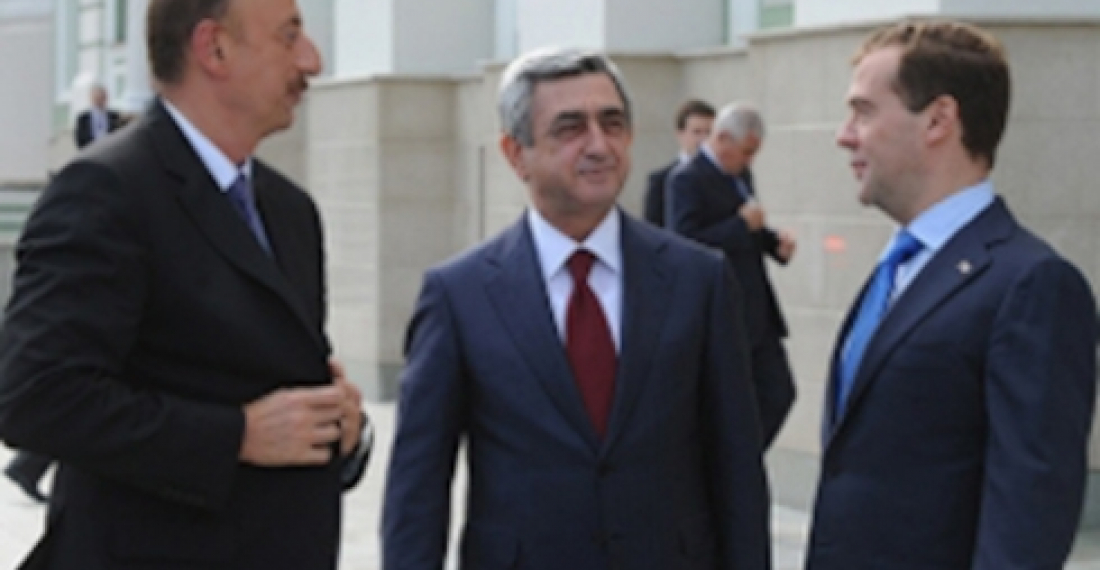
После казанского саммита армянские и азербайджанские лидеры и чиновники обменялись резкими словами. Они также заявили, что остаются приверженными мирному процессу. Однако война слов не помогает в этом.

Армянские и азербайджанские чиновники после казанского саммита 24 июня обвинили друг друга в невозможности сделать то, чего от них многие ожидали, а именно - договориться о нескольких основных принципах, которые проложили бы путь для начала обсуждений по мирному соглашению.

Слова, которые были выбраны, оказались неудачными, резкими и в некоторых случаях - оскорбительными.

В то же время обе стороны утверждают, что они привержены мирному процессу и ожидают от международного сообщества дальнейших шагов.

Эти противоречия можно объяснить тем фактом, что в процессе урегулирования Нагорно-карабахского конфликта недавно что-то изменилось. Международное сообщество впервые продемонстрировало единство цели и намерения привести переговоры к успешному разрешению. Несмотря на существование различных горячих точек в мире, в течение последних шести месяцев мировые лидеры уделяли Нагорному Карабаху большое внимание. Президент России Дмитрий Медведев поставил на карту личное политическое доверие и потратил немалое количество времени, пытаясь заключить сделку. Встреча в Казани стала девятой, которую он провел с 2008 года. Администрация Обамы после долгого перерыва также вовлеклась в процесс, и как президент, так и госсекретарь Клинтон работали над вопросом в течение последних недель по телефону. На самом деле, Карабах стал возможностью для России и США поработать вместе. Вовлечена в процесс и Европа, у которой более четкое представление о том, что нужно сделать и что может сделать она для поддержания процесса. Таким образом, международное сообщество посылало единогласный и недвусмысленный сигнал.

Ни Армения, ни Азербайджан не желают, чтоб их рассматривали в качестве тормозящих процесс. Отсюда и игра в обвинения после Казани. Однако ни одна из сторон, как кажется, не готова предпринять необходимые шаги для того, чтобы закрыть вопрос.

Обмен оскорблениями не поможет. В худшем случае,он может лишь разжечь обстановку, провоцируя новые инциденты. Обеим сторонам необходимо успокоиться.

Одним из положительных итогов последних дней стало то, что обе стороны стали распространять выборочную информацию о том, что происходило в ходе секретных переговоров, которые продолжаются не первый год. Каждая из сторон распространяет ту часть информации, которая выгодна ей. Посредникам сейчас необходимо вмешаться и дать миру более полную картину того, на каком именно этапе находятся переговоры и в чем именно состоят преграды. Если не сделать

этого сейчас, то можно нанести невосполнимый урон процессу в глазах общественного мнения в регионе и за его пределами.

Сейчас важно, чтобы международное сообщество не выпускало Карабах из поля своего зрения. Как отметила Верховный Комиссар ЕС Кэтрин Эштон в своем обращении к Европейскому парламенту в начале июля, то, что необходимо сделать, должно быть сделано до конца этого года.

Российская позиция состоит в том, что нет ни необходимости, ни причин откладывать процесс далее. Сейчас время решений. И они правы.

Подготовлено редакторским составом www.commonspace.eu.

 

Related articles

Editor's choice
News
Aden under curfew, as problem in Yemen's south deepens

Aden under curfew, as problem in Yemen's south deepens

The port city of Aden, in Yemen's south, has been put under curfew, as the rift in the country between  the Saudi led coalition which  backs Yemen's presidential governing council, and the southern forces led by the Southern Transitional Council (STC), deepens. Abdul Rahman al-Mahrami, a member of the Yemeni Presidential Governing Council and commander of the al-Amalik brigades, has ordered a curfew in the temporary capital, Aden, "to maintain security". "A curfew has been imposed throughout Aden Governorate from 9:00 p.m. to 6:00 a.m., in accordance with the instructions of Commander Abdul Rahman al-Mahrami, a member of the Presidential Management Council," the statement said. It states that only security and military personnel, as well as medical and technical teams with approved permits, will be allowed to move in the area during these hours. Yemen's presidential council, which is backed by Saudi Arabia and which already is in a struggle with the Houthi Movement in the north of the country who also occupy the capital Sanaa, two days ago issued an order for the arrest of the head of the Southern Transitional Council (STC),, Aidarous al Zubaidi. The STC have wide support among people in the South, and advocate that South Yemen restores its independence. The coalition warned of further escalation in Aden, long regarded as an STC stronghold, as the Presidential Leadership Council (PLC) chief accused STC leader Aidarous Al Zubaidi of “high treason” and announced the revocation of his membership in the governing body. The moves mark a sharp escalation in tensions within the anti-Houthi camp, despite National Shield Forces, rivals of the STC and former allies, having recently retaken control of Hadhramaut and Mahra from southern fighters. The STC’s takeover of the two regions last month angered Saudi Arabia and contributed to igniting the current internal conflict. (click the picture to read more)

Popular

Editor's choice
News
Aden under curfew, as problem in Yemen's south deepens

Aden under curfew, as problem in Yemen's south deepens

The port city of Aden, in Yemen's south, has been put under curfew, as the rift in the country between  the Saudi led coalition which  backs Yemen's presidential governing council, and the southern forces led by the Southern Transitional Council (STC), deepens. Abdul Rahman al-Mahrami, a member of the Yemeni Presidential Governing Council and commander of the al-Amalik brigades, has ordered a curfew in the temporary capital, Aden, "to maintain security". "A curfew has been imposed throughout Aden Governorate from 9:00 p.m. to 6:00 a.m., in accordance with the instructions of Commander Abdul Rahman al-Mahrami, a member of the Presidential Management Council," the statement said. It states that only security and military personnel, as well as medical and technical teams with approved permits, will be allowed to move in the area during these hours. Yemen's presidential council, which is backed by Saudi Arabia and which already is in a struggle with the Houthi Movement in the north of the country who also occupy the capital Sanaa, two days ago issued an order for the arrest of the head of the Southern Transitional Council (STC),, Aidarous al Zubaidi. The STC have wide support among people in the South, and advocate that South Yemen restores its independence. The coalition warned of further escalation in Aden, long regarded as an STC stronghold, as the Presidential Leadership Council (PLC) chief accused STC leader Aidarous Al Zubaidi of “high treason” and announced the revocation of his membership in the governing body. The moves mark a sharp escalation in tensions within the anti-Houthi camp, despite National Shield Forces, rivals of the STC and former allies, having recently retaken control of Hadhramaut and Mahra from southern fighters. The STC’s takeover of the two regions last month angered Saudi Arabia and contributed to igniting the current internal conflict. (click the picture to read more)