Россия толкает СНГ к координации по вопросам ОБСЕ и внешней политики.
Россия подталкивает бывшие советские республики, которые остаются членами Содружества Независимых Государств (СНГ), к координации по вопросам внешней политики. Саммит глав государств одиннадцати стран членов организации должен начаться сегодня в Минске. Вчера министры иностранных дел встретились для того, чтобы подготовить встречу на высшем уровне. Как сообщает информационное агентство России ИТАР-ТАСС, министр иностранных дел России Сергей Лавров заявил, что координация внешнеполитического сотрудничества стран СНГ, в том числе по таким вопросам, как ситуация в Сирии, перспективы развития событий в Афганистане и взаимодействие с ООН и ОБСЕ, были главными вопросами, которые обсуждались в ходе встречи.

"Мы обменялись мнениями по животрепещущим международным проблемам, в том числе по сирийскому кризису. Здесь сходятся очень многие интересы, связанные не только с этой страной, но и с принципами мироустройства, с тем, как решаются проблемы регионального характера. Да и в глобальном плане нам очень важно отстаивать верховенство международного права", - сказал министр.

Также Лавров указал, что в ходе встречи обсуждались различные аспекты взаимодействия СНГ и ОБСЕ. "Большинство стран СНГ уже несколько лет продвигают проект базовых принципов, которые бы заложили единые нормы и критерии наблюдения за выборами по линии этой организации", - отметил министр. Помимо этого, по его словам, обсуждались возможности сотрудничества с ОБСЕ по поиску путей противодействия новым вызовам и угрозам.

Россия уже в течение долгого времени хотела изменений в формате ОБСЕ, а вместе с некоторыми другими странами СНГ, такими как Беларусь, выступает с критикой роли ОБСЕ в поощрении прав человека и свободных и справедливых выборов, которую они считают предвзятой. Этот вопрос в последние дни вышел на первый план после негативной оценкой миссии мониторинга ОБСЕ / БДИПЧ на президентских выборах в Азербайджане 9 октября. Россия, у которой сложные отношения с Азербайджаном, пытается разыграть этот вопрос для того, чтобы выслужиться перед руководством в Баку. Президент Азербайджана Ильхам Алиев также будет среди участников саммита в пятницу.

Принятие решений в рамках СНГ, однако, часто проходит нескладно. Такие страны, как Молдова и Украина, которые собираются заключать Соглашения об ассоциации с ЕС не разделяют многих видении некоторых других государств. Украина в настоящее время занимает пост председателя в ОБСЕ и встреча министров иностранных дел ОБСЕ пройдет в Киеве в начале декабря. Туркменистан и Узбекистан чаще находятся в стороне от процессов СНГ. Из пятнадцати республик бывшего СССР три страны Балтии никогда не вступали в СНГ, а Грузия вышла из организации после войны с Россией в 2008 году.

В повестку дня саммита в Минске включено 14 пунктов, которые охватывают различные аспекты сотрудничества, начиная с гуманитарного сотрудничества и заканчивая безопасностью и экономическими отношениями.

В планах саммита принятие программы по сотрудничеству в борьбе с терроризмом и иными насильственными проявлениями экстремизма на 2014-2015 годы, о сотрудничестве в борьбе с незаконным оборотом наркотических веществ и противодействия наркомании на 2014-2018 годы. Также будет обсуждена межгосударственная программа совместных действий по борьбе с преступностью в 2014-2018 годы и программа сотрудничества между странами СНГ в борьбе с работорговлей в 2014-2018 годы. Главы государств планируют принять Договор о создании Межгосударственного совета по противодействию коррупции, а также программу о сотрудничестве в борьбе с преступлениями, совершенных с применением информационных технологий.

В ходе саммита также будет обсуждена подготовка к празднованию «70-летию Победы в Великой Отечественной войне в 1941-1945 годы". Президенты также должны договориться об объявлении 2014 года Годом туризма в странах СНГ и по реализации межгосударственной программы культурных столиц Содружества.

Политический редактор Commonspace.eu в комментарии сообщает, что "в то время как некоторые из государств-участников СНГ по-прежнему работают на Россию, находясь под давлением, ни одна страна не готова пожертвовать своим суверенитетом или способностью действовать самостоятельно в сфере внешней политики. Хотя государства-участники СНГ могут, время от времени, договориться о некоторых широких внешнеполитических инициативах на совместных всречах, но как только они попадают в динамику европейских или глобальных дипломатических форумов они быстро приспосабливаются к иной реальности. После распада СССР Россия изо всех сил пытается сохранить свое привилегированное положение в постсоветском пространстве. Это работает с более слабыми странами, которые все еще зависят от России в экономическом и военном плане, но других стоит рассматривать очень осторожно в качестве уполномоченных России. Российская дипломатия пытается сделать саммит СНГ в Минске качественно лучше предыдущих саммитов. Хотя, скорее всего, ее успех в этом будет  ограничен."

Источник: commonspace.eu

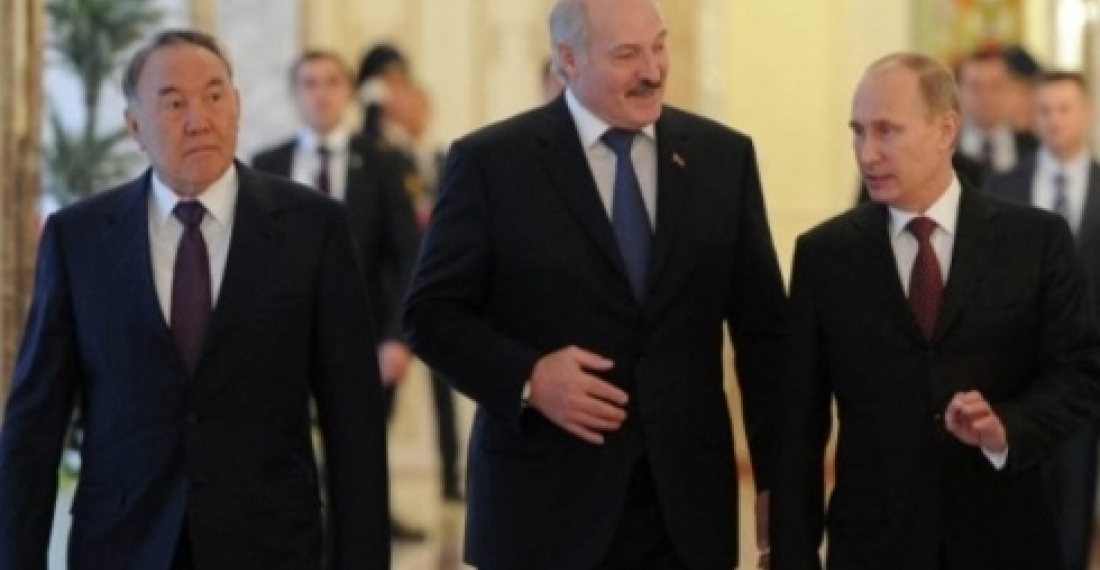
Фото: Президент Республики Казахстан Назарбаев, президент Беларуси Лукашенко и президент России Владимир Путина на предварительной  встрече на высшем уровне в Беларуси в четверг. (фото любезно предоставлено РИА Новости)

Related articles

Editor's choice
News
COP 17 in Armenia

COP 17 in Armenia

Armenia is currently hosting the COP17 conference of the Convention on Biological Diversity, which began earlier this week (19 October) and will run until 30 October, bringing around 15,000 participants from 196 different countries to Yerevan. At a leaders' summit held as part of COP17, Prime Minister Nikol Pashinyan expressed realistic ambitions: “We are halfway towards achieving these goals (Kunming-Montreal Global Biodiversity Framework), and we must honestly acknowledge that we are not yet moving in the right direction. Our task now is not to make new promises, but to fulfil the commitments we have already made.” Pashinyan pointed towards Armenia's own records, noting that the whitefish stock in Lake Sevan has increased substantially in the last ten years. Iranian President Masoud Pezeshkian and Georgian Prime Minister Irakli Kobakhidze also addressed the summit, with Turkiye sending its agriculture minister. However, there were no reports of Azerbaijani representatives attending. The conference has given Yerevan a valuable international platform, yet the absence of Azerbaijan is likely to be read as a sign that the peace process in the South Caucasus has not yet been translated into wider regional cooperation. The leaders' summit was opened by Armenian Prime Minister Nikol Pashinyan, who stressed that hosting the conference was a great honour for Armenia. He expressed hope that it would 'be productive and contribute to protecting our planet's biodiversity'. 'We – the citizens of Armenia, the government, state authorities and local governments – owe a debt to our nature,' the prime minister said. He noted that the international community had already developed the concept of 'living in harmony with nature’ and adopted the Kunming-Montreal Global Biodiversity Framework in 2022, setting out goals and specific targets to be achieved by 2030. 'We are halfway towards achieving these goals, and we must honestly acknowledge that we are not yet moving in the right direction. Our task now is not to make new promises, but to fulfil the commitments we have already made,' Nikol Pashinyan said. The COP17 conference is expected to adopt a declaration at leaders' level. More than 30 documents are scheduled for discussion. If approved, the commitments set out in them will become legally binding on countries that are parties to the Convention on Biological Diversity.”
Editor's choice
News
Landmines present to the European Union both a contradiction and a dilemma

Landmines present to the European Union both a contradiction and a dilemma

Finland’s decision to buy one million landmines creates a serious contradiction in the policy of the European Union, and is symbolic of a bigger dilemma facing European countries as they get used to the need to acquire “hard” power to face an increasing threat from Russia. Finland is seeking to acquire one million anti-personnel mines at a cost of 100 million euros. Finland, together with Poland, Latvia, Lithuania and Estonia last year abandoned the Ottawa agreement, the international framework that bans the use of anti-personnel mines, which the EU had been instrumental in establishing and supporting. All five countries cite the threat from Moscow as the reason. Colonel Riku Mikkonen of the Army Command told Finland’s national news agency STT that officials are now gathering information from suppliers regarding the deal, the AFP news agency reports. Helsinki would like domestic manufacturers to supply the mines, with contracts signed by the end of 2027 and production up and running by 2028. “It would be useful in many ways if Finnish companies produced the anti-personnel mines in Finland,” Mikkonen said. About half a dozen Finnish firms qualify, he told STT. “However, at this stage, buying the mines from abroad is not totally ruled out,” he added. LANDMINES PROVIDE THE EU WITH BOTH A CONTRADICTION, AND A DILEMMA Eliminating landmine contamination worldwide is one of the EU’s main soft power postures, and it basks in its record as the biggest funder of anti-landmine action in the world. But the fact that 5 of its 27 member states  have now left the Ottawa Treaty dents the EU moral high ground. It is a contradiction that is too big and important to be ignored. It also presents the European Union with a deeper dilemma. The threat from Russia is changing what the EU has stood for decades, namely a force for good able to mobilise its considerable soft power for the greater good of humanity. How the Union will implement this change will define its future. In the meantime landmines have not become any less lethal, benign, or unimportant. They remain in many parts of the world a major threat to life, an impediment to prosperity, and a potential trigger to further conflict. The 22 EU members states that still adhere to the Ottawa treaty must regroup, and be more assertive in their quest against anti-personnel land mines. All the reasons why they supported the Ottawa treaty in the first place still exist. The message must be clear: NO TO LANDMINES!

Popular

Editor's choice
Interview
Thursday Interview: Murad Muradov

Thursday Interview: Murad Muradov

Today, commonspace.eu starts a new regular weekly series. THURSDAY INTERVIEW, conducted by Lauri Nikulainen, will host  persons who are thinkers, opinion shapers, and implementors in their countries and spheres. We start the series with an interview with Murad Muradov, a leading person in Azerbaijan's think tank community. He is also the first co-chair of the Action Committee for a new Armenian-Azerbaijani Dialogue. Last September he made history by being the first Azerbaijani civil society activist to visit Armenia after the 44 day war, and the start of the peace process. Speaking about this visit Murad Muradov said: "My experience was largely positive. My negative expectations luckily didn’t play out. The discussions were respectful, the panel format bringing together experts from Armenia, Azerbaijan, and Turkey was particularly valuable during the NATO Rose-Roth Seminar in Yerevan, and media coverage, while varied in tone, remained largely constructive. Some media outlets though attempted to represent me as more of a government mouthpiece than an independent expert, which was totally misleading.  Overall, I see these initiatives as important steps in rebuilding trust and normalising professional engagement. The fact that soon a larger Azerbaijani civil society visits to Armenia followed, reinforces the sense that this process is moving in the right direction." (click the image to read the interview in full)