


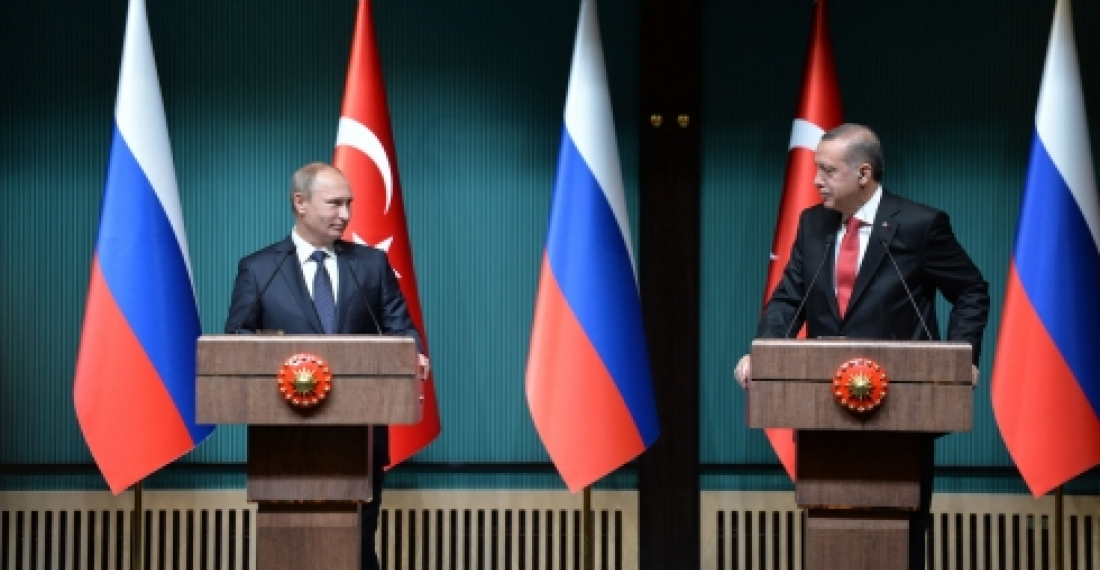
Россия и Турция: Первый "позитив" в отношениях за последние месяцы.

В среду, 29 июня, состоялся первый телефонный разговор между лидерами России и Турции после инцидента с российским бомбардировщиком. Напомним, в конце прошлого года турецкие ВВС сбили российский бомбардировщик, в результате чего отношения между странами резко ухудшились. Тогда, в ответ Россия применила санкции, что сильно подействовало на экономику Турции, в частности на сферу туризма в этой стране.

После продолжительных негативных обменов заявлениями между сторонами на протяжении всех этих 7 месяцев, как стало известно вчера, президент Турции направил письмо на имя президента России, в котором выразил "свое сочувствие и глубокие соболезнования семье погибшего российского пилота". В послании также говорилось о том, что Россия является для Турции другом и стратегическим партнером, с которым турецкие власти не хотели бы портить отношения. Согласно пресс-службе Кремля, Эрдоган "извинился" за инцидент.

Сегодняшний телефонный разговор состоялася по инициативе российской стороны. Лидеры РФ и Турции в ходе разговора договорились проработать возможность проведения в ближайшей перспективе личной встречи, а также о снятии ограничений на посещение Турции российскими туристами.

Как сообщает агентство ТАСС, Путин после разговора с Эрдоганом сообщил кабмину, что по принято решение начать процесс нормализации отношений с Турцией. Лидеры подчеркнули необходимость активизации сотрудничества в борьбе с терроризмом.

Президенты России и Турции договорились проработать возможность проведения в ближайшей перспективе личной встречи", - говорится в сообщении.

"Условлено, что министры иностранных дел двух стран встретятся 1 июля с.г. в Сочи в ходе заседания СМИД Организации Черноморского экономического сотрудничества", - отметили в Кремле.

источник: commonspace.eu по материалам ТАСС

фото: Президент России Владимир Путин и президент Турции Реджеп Тайип Эрдоган

 

Related articles

Editor's choice
News
Donald Tusk: "One for all, and all for one! Otherwise we are finished."

Donald Tusk: "One for all, and all for one! Otherwise we are finished."

Europe is rattled by events in Venezuela, and there are serious concerns that US disregard for international law may have consequences close to home.  The BBC diplomatic correspondent, James Landale, said, the question is how Europe may respond in the longer term to America's military operation in Venezuela. Will it provide a catalyst for the continent to take greater responsibility for its own security in the face of so much instability from what many see as an unreliable ally? Polish prime minister, Donald Tusk, appears to have answered the question, saying on social media: "No-one will take seriously a weak and divided Europe: neither enemy nor ally. It is already clear now. "We must finally believe in our own strength, we must continue to arm ourselves, we must stay united like never before. One for all, and all for one. Otherwise, we are finished." The US seizing of Venezuela's leader has faced strong criticism from both America's friends and foes at an emergency meeting of the United Nations Security Council, held on Monday, 5 January. Many member states agreed with the US that Nicolás Maduro had been an illegitimate and repressive leader. But many also condemned the US military action as a breach of international law and the UN Charter, and they demanded a democratic transition that reflected the will of the Venezuelan people. (click the image to read the full article).

Popular

Editor's choice
News
Donald Tusk: "One for all, and all for one! Otherwise we are finished."

Donald Tusk: "One for all, and all for one! Otherwise we are finished."

Europe is rattled by events in Venezuela, and there are serious concerns that US disregard for international law may have consequences close to home.  The BBC diplomatic correspondent, James Landale, said, the question is how Europe may respond in the longer term to America's military operation in Venezuela. Will it provide a catalyst for the continent to take greater responsibility for its own security in the face of so much instability from what many see as an unreliable ally? Polish prime minister, Donald Tusk, appears to have answered the question, saying on social media: "No-one will take seriously a weak and divided Europe: neither enemy nor ally. It is already clear now. "We must finally believe in our own strength, we must continue to arm ourselves, we must stay united like never before. One for all, and all for one. Otherwise, we are finished." The US seizing of Venezuela's leader has faced strong criticism from both America's friends and foes at an emergency meeting of the United Nations Security Council, held on Monday, 5 January. Many member states agreed with the US that Nicolás Maduro had been an illegitimate and repressive leader. But many also condemned the US military action as a breach of international law and the UN Charter, and they demanded a democratic transition that reflected the will of the Venezuelan people. (click the image to read the full article).


