Предвыборная кампания приостановлена т.к. в Армении вспоминают мрачные события 1915

24 апреля отмечается в Армении, как День памяти жертв геноцида. Эта дата также отмечается армянскими диаспорами по всему миру и все больше либеральными активистами и борцами за права человека в разных частях мира. Она знаменует собой события в последние дни Османской империи, когда сотни тысяч армян были убиты или отправлены в изгнание.

События продолжают вызывать споры, и опровергаются турецкими чиновниками, которые утверждают, что смерти были результатом продолжающегося конфликта, в котором погибли много людей с обеих сторон. Однако, все большее число либеральных представителей турецкой интеллигенции призывают свое правительство признать события 1915 года, и охарактеризовать их, как геноцид.

Ряд правительств уклонялись от использования термина геноцид, так как они боялись, что он несет в себе не поддающиеся количественной оценке правовые последствия, а также потому, что термин был пущен в обиход десятки лет спустя после событий 1915 года.

Однако, в самой Армении люди, политики и правительство едины в этом вопросе и официально отмечают эту годовщину каждый год.

В этом году годовщина этих событий отмечается менее чем за две недели до предстоящих парламентских выборов. Предложение дашнакской Армянской Революционной Федерации приостановить агитационную кампанию в этот день было принято всеми другими политическими силами.

В специальном послании, опубликованном сегодня, президент Армении, Серж Саргсян, сказал:

"Сегодня мы, как очень многие во всем мире, склоняем головы перед памятью безвинных жертв Геноцида армян. К сожалению, эти страницы [истории] не только про победы и достижения. День памяти жертв Геноцида – 24 апреля - облачен в черное; это день нашей всенародной скорби, но также день нашего упорного стремления к жизни, характеризующий наш нравственный образ."


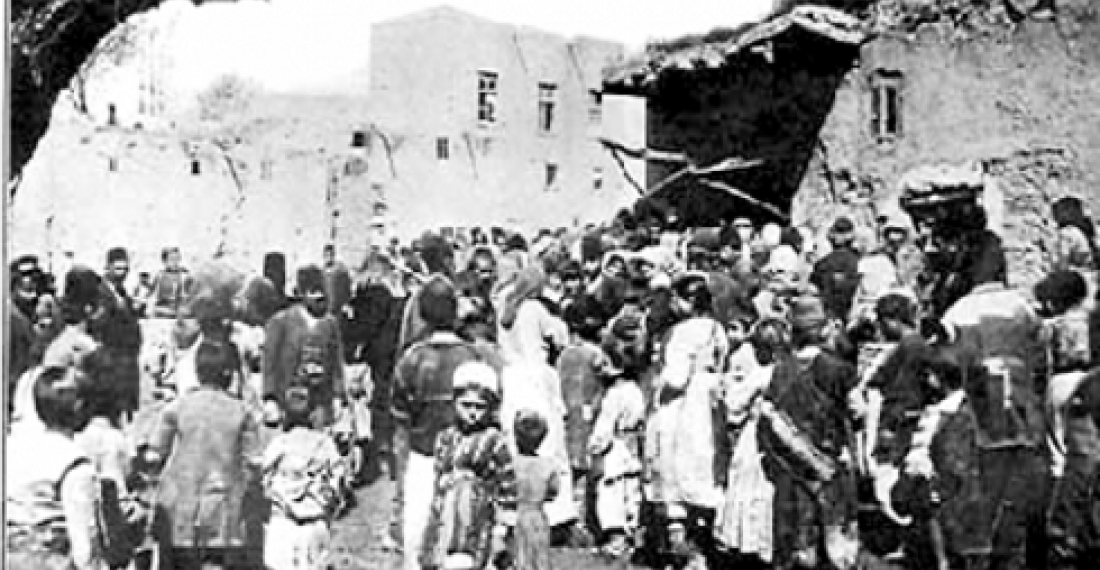
Фото: Армяне в городе Ван в 1915 году. Было много сообщений о зверских случаях. 
Related articles

Editor's choice
News
Russian attacks against Ukrainian civilians continue

Russian attacks against Ukrainian civilians continue

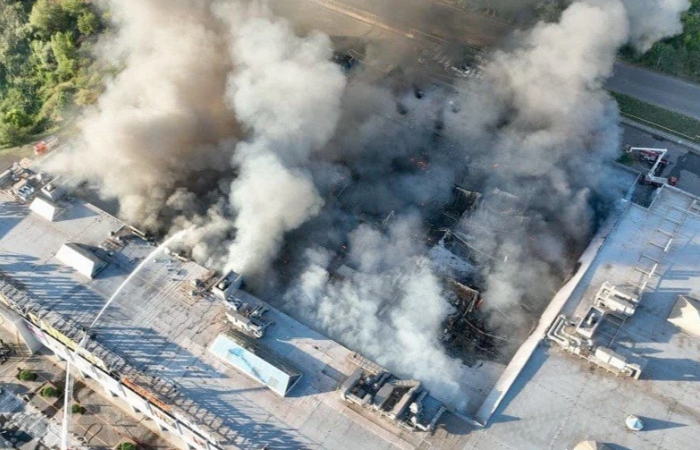
Rescuers in Ukraine are continuing their search for survivors in the wreckage of a big shopping centre hit by Russia on Friday. Sixteen people were killed and 130 injured when two drones hit the busy centre in Kryvyi Rih in quick succession in what is known as a double-tap strike. Four people are still missing. The search and rescue operation could last for another two days. President Volodymyr Zelensky condemned the "cynical and despicable" attack in which the second drone targeted emergency workers. The sides exchanged more fire overnight, with Ukrainian attacks said to have killed at least four people in Russia, including two children, and three people reported dead by Kyiv as a result of Russian strikes. The death toll from Friday's attack reached 16 after another body was retrieved from the rubble overnight, said Dnipropetrovsk regional head Oleksandr Hanzha. "We're doing everything possible to speed up... the search and rescue operation," he told Ukrainian TV on Saturday morning. (click image tio read more)

Popular

Editor's choice
Interview
Thursday Interview: Murad Muradov

Thursday Interview: Murad Muradov

Today, commonspace.eu starts a new regular weekly series. THURSDAY INTERVIEW, conducted by Lauri Nikulainen, will host  persons who are thinkers, opinion shapers, and implementors in their countries and spheres. We start the series with an interview with Murad Muradov, a leading person in Azerbaijan's think tank community. He is also the first co-chair of the Action Committee for a new Armenian-Azerbaijani Dialogue. Last September he made history by being the first Azerbaijani civil society activist to visit Armenia after the 44 day war, and the start of the peace process. Speaking about this visit Murad Muradov said: "My experience was largely positive. My negative expectations luckily didn’t play out. The discussions were respectful, the panel format bringing together experts from Armenia, Azerbaijan, and Turkey was particularly valuable during the NATO Rose-Roth Seminar in Yerevan, and media coverage, while varied in tone, remained largely constructive. Some media outlets though attempted to represent me as more of a government mouthpiece than an independent expert, which was totally misleading.  Overall, I see these initiatives as important steps in rebuilding trust and normalising professional engagement. The fact that soon a larger Azerbaijani civil society visits to Armenia followed, reinforces the sense that this process is moving in the right direction." (click the image to read the interview in full)