


ПА НАТО одобрило резолюцию, поддерживающую "политику открытых дверей".

В минувшие выходные Парламентская ассамблея НАТО на встрече в Будапеште вернулась к вопросу о новых членах альянса и снова призвала к приверженности к "политике открытых дверей", о чем договорились еще на саммите глав правительств в Уэльсе в 2014 году.

ПА НАТО призвала правительства и парламенты Североатлантического альянса сохранить приверженность к договоренностям Уэльского саммита по политике открытых дверей, подчеркнув, что кандидаты НАТО должны продолжать необходимые преобразования для того, чтобы удовлетворить требованиям членства в НАТО, как изложенно в статье 10 Вашингтонского договора; предоставить поддержку странам-кандидатам, согласованную на саммите, и принять решение о приглашении к вступлению на саммите в Черногории к концу 2015 года; и продолжать оказывать поддержку осуществлению значительного пакета НАТО-Грузия в соответствии с решением саммита в Бухаресте в 2008, на пути к следующему шагу интеграции Грузии в НАТО путем предоставления ей плана действий для членства.

В своей резолюции по этому вопросу, Парламентская Ассамблея НАТО заявила, что признает сложную ситуацию, в которой оказалась Украина на фоне беспрецедентной агрессии со стороны Российской Федерации, и призвало украинское правительство и парламент приложить все усилия в реформировании страны в соответствии с демократическими стандартами евро-атлантических стран. В ней также сказано, что, как и в прошлом, странам-претендентам будет оказана вся возможная помощь в достижении членства в НАТО.

Резолюция, являясь необязательной, повышает давление на государства-члены альянса для продвижения вопроса с членством ряда стран, в том числе Грузии. Председатель парламента Грузии, Давид Усупашвили, был одним из основных докладчиков на заседании в Будапеште. В откровенном выступлении он заявил депутатам, что дальнейшее промедление НАТО невозможно, и что НАТО должно продвинуть заявку Грузии на следующий этап.

Источник: commonspace.eu

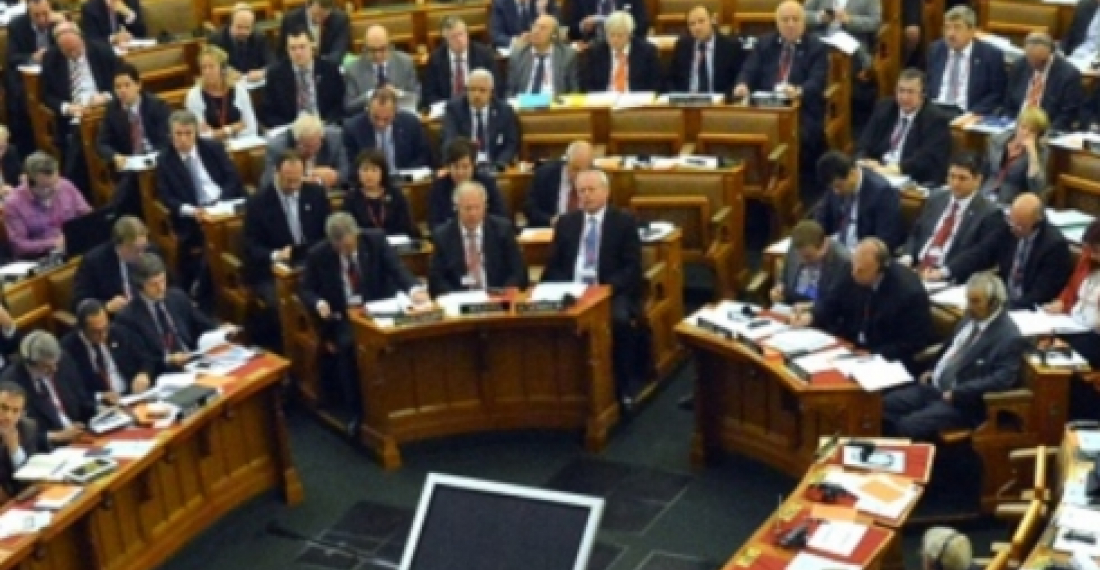
Фото: Весенняя сессия Парламентской ассамблеи НАТО в Будапеште, 15-17 мая 2015 года (фото любезно предоставлено ПА НАТО).


 

Related articles

Editor's choice
News
Borrell tells the European Parliament that the situation in Afghanistan was critical, but the EU will remain engaged

Borrell tells the European Parliament that the situation in Afghanistan was critical, but the EU will remain engaged

Borrell underlined that the European Union will make every effort to support the peace process and to remain a committed partner to the Afghan people. "Of course, we will have to take into account the evolving situation, but disengagement is not an option.  We are clear on that: there is no alternative to a negotiated political settlement, through inclusive peace talks.
Editor's choice
News
Germany accuses Russia of cyberattacks and disinformation campaign

Germany accuses Russia of cyberattacks and disinformation campaign

The German government holds Russia responsible for a cyberattack on German air traffic control, and for targeted disinformation campaigns before the last federal election. According to the German Foreign Office in Berlin, the incidents could be clearly attributed to the Russian military intelligence service, the GRU. In response, the Russian ambassador to Berlin was summoned to the Foreign Ministry. "We have been observing a massive increase in threatening hybrid activities by Russia for some time now," a spokesperson for the Foreign Ministry stated. These range from disinformation campaigns and espionage to cyberattacks and sabotage attempts. The aim is to divide society, sow distrust, and undermine confidence in democratic institutions. The spokesperson added that with these actions, Russia is "very concretely threatening our security, not only through its war of aggression against Ukraine, but also here in Germany."  The Foreign Ministry spokesperson explained that the cyberattack on air traffic control in August 2024 was clearly attributed to the hacker collective "APT28," known as "Fancy Bear," and to the responsibility of the Russian military intelligence service, the GRU. Furthermore, it could now be "conclusively stated" that Russia had attempted "to influence and destabilize both the last Federal election and the ongoing internal affairs of the Federal Republic of Germany." There was "absolutely irrefutable evidence" for this". The so-called "Storm 1516" campaign, which has been running since 2024, is allegedly backed by "reliable information" that the Moscow-based think tank "Center for Geopolitical Expertise" is behind it. The Center is also said to be supported by Russian military intelligence. Its primary aim is to influence democratic elections in the West. (Click the image to read more).

Popular

Editor's choice
News
Germany accuses Russia of cyberattacks and disinformation campaign

Germany accuses Russia of cyberattacks and disinformation campaign

The German government holds Russia responsible for a cyberattack on German air traffic control, and for targeted disinformation campaigns before the last federal election. According to the German Foreign Office in Berlin, the incidents could be clearly attributed to the Russian military intelligence service, the GRU. In response, the Russian ambassador to Berlin was summoned to the Foreign Ministry. "We have been observing a massive increase in threatening hybrid activities by Russia for some time now," a spokesperson for the Foreign Ministry stated. These range from disinformation campaigns and espionage to cyberattacks and sabotage attempts. The aim is to divide society, sow distrust, and undermine confidence in democratic institutions. The spokesperson added that with these actions, Russia is "very concretely threatening our security, not only through its war of aggression against Ukraine, but also here in Germany."  The Foreign Ministry spokesperson explained that the cyberattack on air traffic control in August 2024 was clearly attributed to the hacker collective "APT28," known as "Fancy Bear," and to the responsibility of the Russian military intelligence service, the GRU. Furthermore, it could now be "conclusively stated" that Russia had attempted "to influence and destabilize both the last Federal election and the ongoing internal affairs of the Federal Republic of Germany." There was "absolutely irrefutable evidence" for this". The so-called "Storm 1516" campaign, which has been running since 2024, is allegedly backed by "reliable information" that the Moscow-based think tank "Center for Geopolitical Expertise" is behind it. The Center is also said to be supported by Russian military intelligence. Its primary aim is to influence democratic elections in the West. (Click the image to read more).

