Никакого ужина для Путина. Официальный ужин саммита Россия-ЕС 28 января был отменен, т.к. ЕС демонстрирует недовольство российской политикой.
На предстоящем саммите ЕС-Россия, который должен пройти в Брюсселе 28 января не будет никакого официального ужина. Саммит проводится два раза в год, один раз в России и один раз в Брюсселе, и обычно начинается с официального обеда и продолжается переговорами на следующий день. Саммит предлагает России и ЕС возможность пересмотреть отношения и обсудить имеющиеся проблемы.

На этот раз программа саммита была сокращена до одного дня, а официальный ужин был отменен. Дипломаты в Брюсселе говорят, что ЕС хочет послать сообщение российскому лидеру, что в этот раз не как обычно. Информационное агентство Reuters также цитирует одного дипломата, заявившего, что изменение формата встречи дает "возможность говорить немного более откровенно для более стратегического обсуждения, вместо обычного театрального саммита."

Разногласия по Украине и Грузии некоторые из вопросов, которые создают напряженность в отношениях. ЕС будет использовать саммит с Россией для того, чтобы говорить "честно и откровенно" о проблемах в отношениях, в том числе о правах человека, сообщил дипломат.

Торговый оборот между Россией и ЕС в 2012 году составил 336 млрд евро и ни одна из сторон не хочет ставить это под угрозу. Однако ряд проблем в отношениях растут, и недавние попытки России подорвать Восточное партнерство ЕС вызвали большое раздражение в Брюсселе.

Посол России в Европейском Союзе Владимир Чижов в понедельник (13 января) обратился к большому числу чиновников, дипломатов и журналистов во время одного из своих редких публичных выступлении в Европейском центре политики, ведущего аналитического центра в Брюсселе.

Чижов признал, что между Брюсселем и Москвой наблюдается "отсутствие доверия", что питает "неправильное восприятие" на протяжении  веков.

"Это наш общий долг попытаться разорвать этот порочный круг", сказал он.

Он утверждает, что продвигаемый Россией Таможенный союз с другими бывшими советскими республиками "не является ни геополитическим соперником ЕС, ни Советским Союзом 2.0." Москва также планирует работать в направлении Евразийского экономического союза. Договоры должны быть подписаны и ратифицированы в этом году, так что Союз может вступить в силу с 1 января 2015 года, сообщил Чижов. Он призвал ЕС и Россию "искать пути гармонизации европейских и евразийских интеграционных процессов". Он также предположил, что прогресс на саммите по вопросу безвизового режима с ЕС для россиян "приветствовался бы."

Российский дипломат также упомянул в своем выступлении проблему между Россией и ЕС по энергетическим вопросам и сказал, что Газпром проводит консультации с Европейской комиссией относительно антимонопольных санкций против российской компании, но сказал, что он не был осведомлен о деталях этих консультации. "Я могу только подтвердить, что стороны проводят консультации", сказал он.

ЕС в сентябре 2012 года начал антимонопольное расследование против Газпрома после жалобы Литвы.

источник: commonspace.eu по материалам агентств

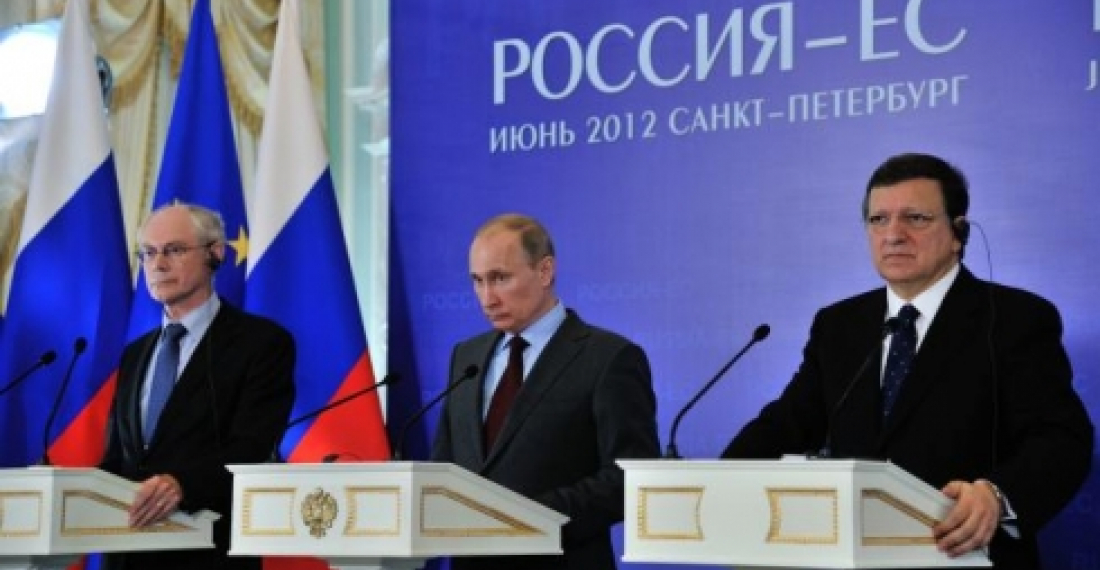
фото: Президент Путин с президентом Совета ЕС Ван Ромпейем и президентом Еврокомиссии Баррозу на саммите Россия-ЕС в Санкт-Петербурге в 2012 году (фото из архива).

Related articles

Editor's choice
News
Uzbekistan strengthens its relations with China and US

Uzbekistan strengthens its relations with China and US

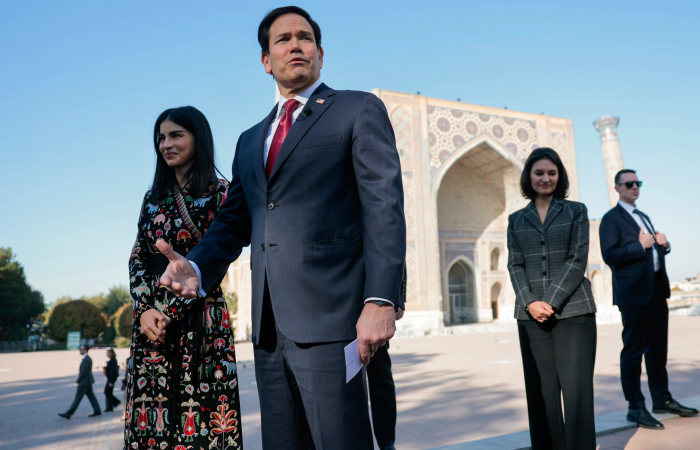
In recent days, Uzbekistan welcomed the Chinese and American governments in quick succession. During Chinese Premier Li Qiang’s visit on 17-18 October, the Uzbek presidential administration said that joint projects backed by firm agreements had reached nearly $60 billion. US Secretary of State Marco Rubio then arrived in Samarkand for C5+1 talks, accompanied at the time by American business leaders seeking contracts, particularly in critical minerals. During the visit, Uzbekistan announced 54 agreements covering trade, investment, and technology. The agreements are said to be worth a total of $12 billion, according to Uzbekistan’s Ministry of Investment, Industry and Trade. However, China still accounts for 23% of Uzbekistan’s foreign trade in January-August 2026, while US goods trade with Uzbekistan totalled at $1.05 billion in 2025, which is less than a fifteenth of the value of its trade with China. Rubio said Washington was not asking Central Asian countries to stop cooperating with other partners, but would instead compete for investment. Tashkent is likely to welcome investment from both sides, but the trade gap shows how challenging it will be if it were to decrease its dependence on Beijing. “Chinese Premier Li Qiang visited Uzbekistan on October 17–18, just ahead of United States Secretary of State Marco Rubio, who arrived in Samarkand on October 18 with a delegation of American business leaders seeking new contracts. While China already has a substantial presence in Uzbek manufacturing and energy, Washington is seeking to expand American involvement in critical minerals and technology. The visits highlight the growing competition between the world’s two largest economies for influence in Central Asia. On October 17, President Shavkat Mirziyoyev received Li Qiang. According to the Uzbek presidential administration, the portfolio of joint projects backed by firm agreements has reached nearly $60 billion. More than 6,000 joint ventures with Chinese participation have been established in Uzbekistan. (...) Construction of the China–Kyrgyzstan–Uzbekistan railway was another topic of discussion. Work officially began in December 2024. The route will cross mountainous areas of Kyrgyzstan and connect the railway networks of China and Uzbekistan. The 304-kilometer section through Kyrgyzstan alone is estimated to cost $4.7 billion and will require 50 bridges and 29 tunnels. (...) On October 19, Rubio attended talks in Samarkand under the C5+1 format, bringing together the U.S. and Kazakhstan, Kyrgyzstan, Tajikistan, Turkmenistan, and Uzbekistan. Rubio said nearly 300 American businesses were represented in Samarkand. Companies were discussing agreements potentially worth billions of dollars, with concrete announcements expected following the meetings. Among Washington’s priorities are critical minerals used in advanced technologies, including electronics and batteries.”

Popular

Editor's choice
Interview
Thursday Interview: Murad Muradov

Thursday Interview: Murad Muradov

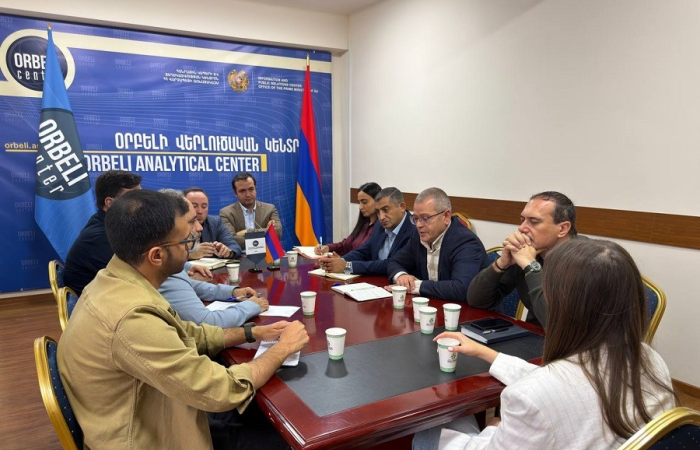
Today, commonspace.eu starts a new regular weekly series. THURSDAY INTERVIEW, conducted by Lauri Nikulainen, will host  persons who are thinkers, opinion shapers, and implementors in their countries and spheres. We start the series with an interview with Murad Muradov, a leading person in Azerbaijan's think tank community. He is also the first co-chair of the Action Committee for a new Armenian-Azerbaijani Dialogue. Last September he made history by being the first Azerbaijani civil society activist to visit Armenia after the 44 day war, and the start of the peace process. Speaking about this visit Murad Muradov said: "My experience was largely positive. My negative expectations luckily didn’t play out. The discussions were respectful, the panel format bringing together experts from Armenia, Azerbaijan, and Turkey was particularly valuable during the NATO Rose-Roth Seminar in Yerevan, and media coverage, while varied in tone, remained largely constructive. Some media outlets though attempted to represent me as more of a government mouthpiece than an independent expert, which was totally misleading.  Overall, I see these initiatives as important steps in rebuilding trust and normalising professional engagement. The fact that soon a larger Azerbaijani civil society visits to Armenia followed, reinforces the sense that this process is moving in the right direction." (click the image to read the interview in full)