


МОСКВА БЛАГОСЛАВЛЯЕТ ОТНОШЕНИЯ МЕЖДУ АЗЕРБАЙДЖАНОМ И СЕВЕРНЫМ КАВКАЗОМ
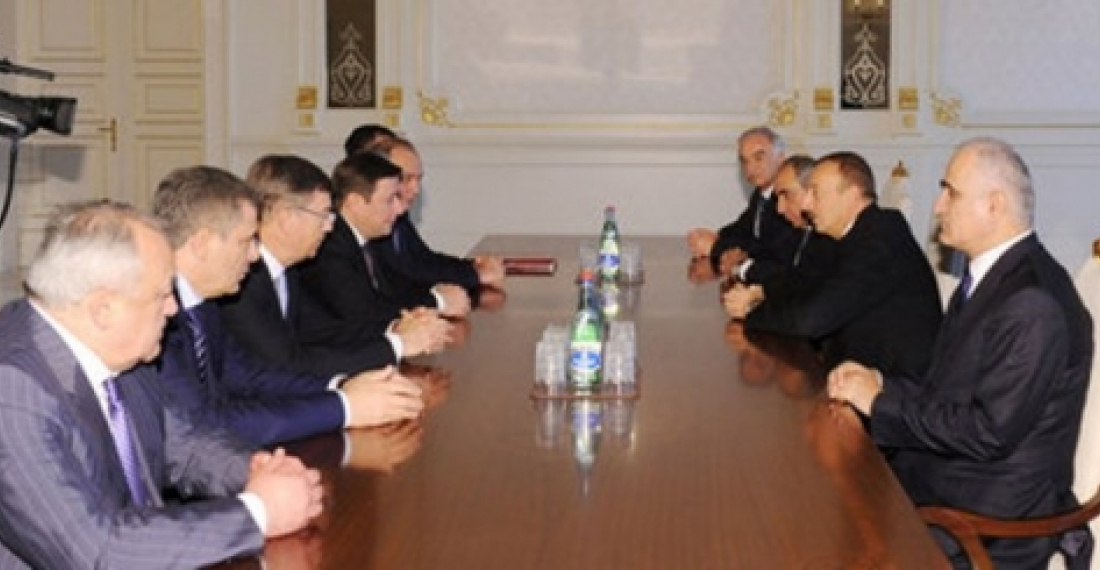
Лидеры нескольких республик Северного Кавказа посетили Баку на этой неделе в сопровождении уполномоченного представителя Президента России на Северном Кавказе Александра Хлопонина, который также является вице-премьером в правительстве России.

Визит был беспрецедентным во многих отношениях. Лидеры республик Северного Кавказа редко путешествуют вместе, за исключением встреч с руководством России. Москва также обычно не поощряет контакты между ее республиками Северного Кавказа и внешним миром, хотя он терпит некоторые торговые отношения.


За визитом лидеров Северного Кавказа в Баку присматривал заместитель премьер-министра России и полномочный представитель президента РФ на Северном Кавказе Александр Хлопонин. Хлопонин является лицом "модернизации" России на Северном Кавказе. Он был назначен на пост, чтобы представить альтернативу репрессивным мерам безопасности, как способа борьбы с повстанцами, радикальными исламистами, которые создали хаос в регионе за последнее десятилетие. Хлопонин привел в движение амбициозный план создания рабочих мест и экономического возрождения, но этому плану серьезно угрожают случаи террористических актов, некоторые из которых направлены против ключевых экономических объектов.


В число гостей в Баку входили президент Ингушетии Юнус-Бек Евкуров, президент Кабардино-Балкарии Арсен Каноков, президент Северной Осетии-Алания Таймураз Мамсуров и президент Дагестана Магомедсалам Магомедов. На встрече отсутствовал президент Чечни Кадыров, который, как известно, находится в плохих личных отношениях с Хлопониным, и кто смотрит на инициативы с подозрением.


Вполне вероятно, что на Северном Кавказе лидеры ищут инвестиций из Азербайджана в такие области, как туризм.


Президент Алиев встретился с делегацией и осторожно поприветствовал гостей словами, что встреча дает "хорошую возможность для обсуждения дальнейшего сотрудничества".


Как бы подчеркивая риски для России и Азербайджане такого рода сотрудничества, визиту лидеров Северного Кавказа предшествовал еще один беспрецедентный визит - министр внутренних дел России, в сопровождении представителей спецслужб из России и Северо-Кавказских республик встретился со своим коллегой из Азербайджана. Для России ясно, все что связано с Северным Кавказом, кнут и пряник должны идти вместе.


Статья подготовлена редакцией commonspace.eu


Фото: Президент Алиев, заместитель премьер-министра Хлопонин и лидеры Ингушетии, Северной Осетии, Дагестана и Кабардино-Балкарии в Баку 4 октября 2011 года (фотография любезно предоставлена пресс-службой президента Азербайджана)

Related articles

Editor's choice
News
Borrell tells the European Parliament that the situation in Afghanistan was critical, but the EU will remain engaged

Borrell tells the European Parliament that the situation in Afghanistan was critical, but the EU will remain engaged

Borrell underlined that the European Union will make every effort to support the peace process and to remain a committed partner to the Afghan people. "Of course, we will have to take into account the evolving situation, but disengagement is not an option.  We are clear on that: there is no alternative to a negotiated political settlement, through inclusive peace talks.
Editor's choice
News
NATO Chief says war is on Europe's doorstep, and warns against complacency

NATO Chief says war is on Europe's doorstep, and warns against complacency

Russia could attack a NATO country within the next five years, the Secretary General of NATO, Mark Rutte, said in a stark new warning. "NATO's own defences can hold for now," Rutte warned in Berlin, but conflict was "next door" to Europe, and he feared "too many are quietly complacent, and too many don't feel the urgency, too many believe that time is on our side. "Russia is already escalating its covert campaign against our societies," Rutte said in a speech in Germany. "We must be prepared for the scale of war our grandparents or great-grandparents endured." Earlier this month, Russia's President Vladimir Putin said his country was not planning to go to war with Europe, but it was ready "right now" if Europe wanted to - or started a war. But similar reassurances were given by Moscow in 2022, just before 200,000 Russian troops crossed the border and invaded Ukraine. Putin has accused European countries of hindering US efforts to bring peace in Ukraine - a reference to the role Ukraine's European allies have recently played in trying to change a US peace plan to end the war, whose initial draft was seen as favouring Russia. But Putin was not sincere, Nato's secretary-general said in the German capital, Berlin. Supporting Ukraine, he added, was a guarantee for European security. "Just imagine if Putin got his way; Ukraine under the boot of Russian occupation, his forces pressing against a longer border with Nato, and the significantly increased risk of an armed attack against us." Russia's economy has been on a war footing for more than three years now - its factories churn out ever more supplies of drones, missiles and artillery shells. According to a recent report by the Kiel Institute for the World Economy, Russia has been producing each month around 150 tanks, 550 infantry fighting vehicles, 120 Lancet drones and more than 50 artillery pieces. The UK, and most of its Western allies, are simply not anywhere near this point. Analysts say it would take years for Western Europe's factories to come close to matching Russia's mass-production of weapons. "Allied defence spending and production must rise rapidly, our armed forces must have what they need to keep us safe," the Nato chief said.

Popular

Editor's choice
News
NATO Chief says war is on Europe's doorstep, and warns against complacency

NATO Chief says war is on Europe's doorstep, and warns against complacency

Russia could attack a NATO country within the next five years, the Secretary General of NATO, Mark Rutte, said in a stark new warning. "NATO's own defences can hold for now," Rutte warned in Berlin, but conflict was "next door" to Europe, and he feared "too many are quietly complacent, and too many don't feel the urgency, too many believe that time is on our side. "Russia is already escalating its covert campaign against our societies," Rutte said in a speech in Germany. "We must be prepared for the scale of war our grandparents or great-grandparents endured." Earlier this month, Russia's President Vladimir Putin said his country was not planning to go to war with Europe, but it was ready "right now" if Europe wanted to - or started a war. But similar reassurances were given by Moscow in 2022, just before 200,000 Russian troops crossed the border and invaded Ukraine. Putin has accused European countries of hindering US efforts to bring peace in Ukraine - a reference to the role Ukraine's European allies have recently played in trying to change a US peace plan to end the war, whose initial draft was seen as favouring Russia. But Putin was not sincere, Nato's secretary-general said in the German capital, Berlin. Supporting Ukraine, he added, was a guarantee for European security. "Just imagine if Putin got his way; Ukraine under the boot of Russian occupation, his forces pressing against a longer border with Nato, and the significantly increased risk of an armed attack against us." Russia's economy has been on a war footing for more than three years now - its factories churn out ever more supplies of drones, missiles and artillery shells. According to a recent report by the Kiel Institute for the World Economy, Russia has been producing each month around 150 tanks, 550 infantry fighting vehicles, 120 Lancet drones and more than 50 artillery pieces. The UK, and most of its Western allies, are simply not anywhere near this point. Analysts say it would take years for Western Europe's factories to come close to matching Russia's mass-production of weapons. "Allied defence spending and production must rise rapidly, our armed forces must have what they need to keep us safe," the Nato chief said.



