


Комментарий: Нынешние боевые действия в Карабахе слишком дорого обходятся ценой человеческих жизней

Комментарий

Выступая вчера на открытии заседания Постоянного совета ОБСЕ, прошедшего в Вене, для обсуждения текущих боевых действий в Нагорном Карабахе и вокруг него, посол Игли Хасани, председатель Постоянного совета, выразил обеспокоенность ростом числа жертв в результате продолжающихся боевых действий. Большие человеческие жертвы в результате боевых действий, которые продолжаются с утра воскресенья, действительно должны стать главной новостью в этой истории.

Пока невозможно назвать точное число убитых и раненых, но, учитывая масштаб боевых действий и все имеющиеся неофициальные данные, ясно, что оно уже исчисляется сотнями и растет с каждым днем. Пострадали и мирные жители с обеих сторон; несколько человек погибли, в том числе женщины, дети и старики.

Эти факты напоминают нам, что война - это не компьютерная игра. И это не геостратегическая игра. Война наносит тяжелый урон странам, наносит ущерб населению и оставляет шрамы на семьях и сообществах на долгое время после этого.

Недавняя история Нагорного Карабаха - это трагическая история человеческих страданий: семей, которые в результате конфликта были вынуждены покинуть свои дома на протяжении десятилетий; населения, живущего в осаде; молодых людей, лишенных молодости, которые они проводят, держа оружие в мокрых окопах, и искаженного образа жизни сотен тысяч людей, непосредственно пострадавших от конфликта.

Это должно прекратиться. Не только продолжающаяся борьба, но и цепочка ненависти, которая привела к ней, и которая неизбежно, если не будет разорвана, будет означать, что даже когда текущая борьба прекратится, все, что можно будет ожидать, - это следующий раунд насилия. Нагорный Карабах требует не только прекращения огня. Он также требует решения путем переговоров, от которого выиграют все стороны. Теперь это должно быть целью, чтобы хотя бы все эти страдания не прошли напрасно.

источник: Этот комментарий редакции commonspace.eu

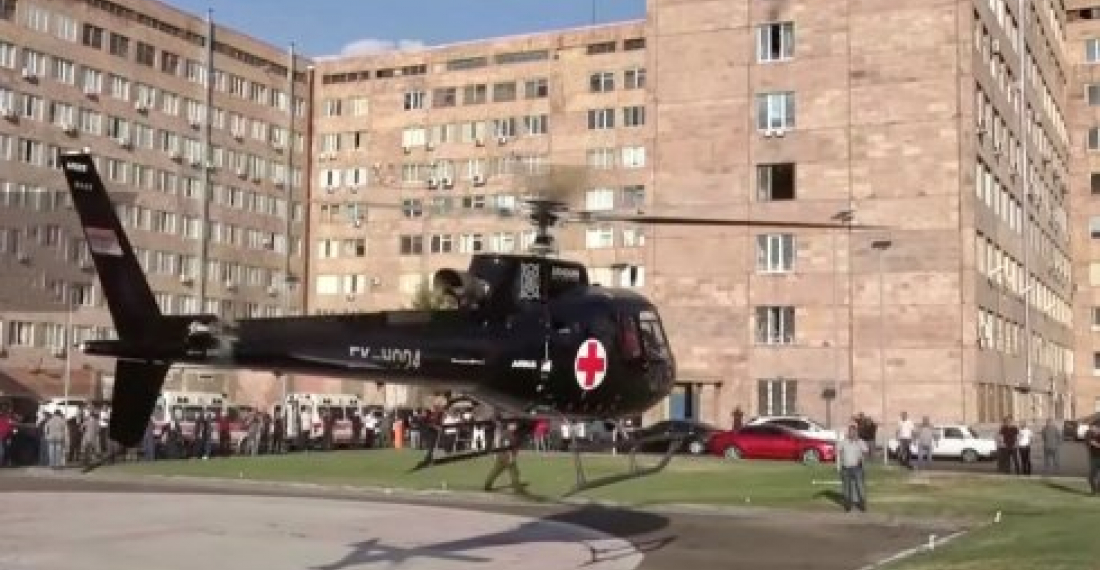
фото: Армянская санитарная авиация перевозит раненого солдата из Степанакерта в больницу Еревана.


 

Related articles

Editor's choice
News
Donald Tusk: "One for all, and all for one! Otherwise we are finished."

Donald Tusk: "One for all, and all for one! Otherwise we are finished."

Europe is rattled by events in Venezuela, and there are serious concerns that US disregard for international law may have consequences close to home.  The BBC diplomatic correspondent, James Landale, said, the question is how Europe may respond in the longer term to America's military operation in Venezuela. Will it provide a catalyst for the continent to take greater responsibility for its own security in the face of so much instability from what many see as an unreliable ally? Polish prime minister, Donald Tusk, appears to have answered the question, saying on social media: "No-one will take seriously a weak and divided Europe: neither enemy nor ally. It is already clear now. "We must finally believe in our own strength, we must continue to arm ourselves, we must stay united like never before. One for all, and all for one. Otherwise, we are finished." The US seizing of Venezuela's leader has faced strong criticism from both America's friends and foes at an emergency meeting of the United Nations Security Council, held on Monday, 5 January. Many member states agreed with the US that Nicolás Maduro had been an illegitimate and repressive leader. But many also condemned the US military action as a breach of international law and the UN Charter, and they demanded a democratic transition that reflected the will of the Venezuelan people. (click the image to read the full article).

Popular

Editor's choice
News
Donald Tusk: "One for all, and all for one! Otherwise we are finished."

Donald Tusk: "One for all, and all for one! Otherwise we are finished."

Europe is rattled by events in Venezuela, and there are serious concerns that US disregard for international law may have consequences close to home.  The BBC diplomatic correspondent, James Landale, said, the question is how Europe may respond in the longer term to America's military operation in Venezuela. Will it provide a catalyst for the continent to take greater responsibility for its own security in the face of so much instability from what many see as an unreliable ally? Polish prime minister, Donald Tusk, appears to have answered the question, saying on social media: "No-one will take seriously a weak and divided Europe: neither enemy nor ally. It is already clear now. "We must finally believe in our own strength, we must continue to arm ourselves, we must stay united like never before. One for all, and all for one. Otherwise, we are finished." The US seizing of Venezuela's leader has faced strong criticism from both America's friends and foes at an emergency meeting of the United Nations Security Council, held on Monday, 5 January. Many member states agreed with the US that Nicolás Maduro had been an illegitimate and repressive leader. But many also condemned the US military action as a breach of international law and the UN Charter, and they demanded a democratic transition that reflected the will of the Venezuelan people. (click the image to read the full article).

