Генералы под огнем: В течение многих десятилетий турецкие военные думали, что они были правительством и политики были просто необходимым раздражителем

Весть о том, что двое бывших руководителей турецких вооруженых сил находятся под следствием в связи с уголовными преступлениями, всего несколько лет назад вызвала бы серьезный кризис в Турции. На протяжении десятилетий ситуация в Турции была такой, что темы вмешательства военных в дела правительства не существовало; скорее военные воспринимали правительство и политиков с Чанкайе как необходимое зло. Турция за короткий срок прошла длинный путь, и всё это сейчас выглядит иначе.

На этой неделе турецкие СМИ сообщили, что отставной генерал Бююканыт будет под следствием в связи с подозрениями в причастности к взрывам в 2005 году, а отставному генералу Башбугу могут быть предъявлены обвинения в создании веб-сайтов, поддерживаемых военными для распространения антиправительственной пропаганды. Времена, когда турецкая армия была над законом, сейчас в самом деле ушли в прошлое.

Это может служить лишь положительным знаком, причем не только для самой Турции, но и для ее соседей. Влияние Турции сейчас исчисляется не только военными, но также  экономическими и политическими терминами. Даже гражданское общество Турции, которое долгое время было слабым и подавлялось, в темпе приходит в себя, превращая возможность «мягкой власти» в Турции в реальность. Турция плюс к этому является кандидатом на вступление в ЕС. Несмотря на трудности на пути к членству и препятствия, создаваемые теми в ЕС и Турции, кто не хотели бы вступления Турции в Союз, членство страны в организации уже стало исторической неизбежностью.

Европа сейчас подавлена кризисом евро и общим экономическим недомоганием. Противникам вступления Турции в ЕС придется пересмотреть свои позиции.

В Турции, в свою очередь, есть те, кто воспринимают снижение роли военных не как победу демократии, а скорее как возможность расшатать светский характер турецкого государства. В Турции без особого восторга относятся к такой перспективе, за исключением радикально настроенной части правящей партии.

По-прежнему существуют важные вопросы, которые турецкому государству необходимо урегулировать, и не в последнюю очередь это касаетсяправ курдов, проживающих на территории Турции. Это вопрос, которым премьер-министр Эрдоган должен заняться.

Сильная, демократическая, светская Турция, находящаяся в гармонии с собой, в большой  степени сможет поспособствовать позитивным процессам на Кавказе и Ближнем Востоке в целом. Призыв генералов к ответу - это шаг в правильном направлении. В будущем, однако, предстоят сделать много других шагов.

Подготовлено редакторским составом commonspace.eu

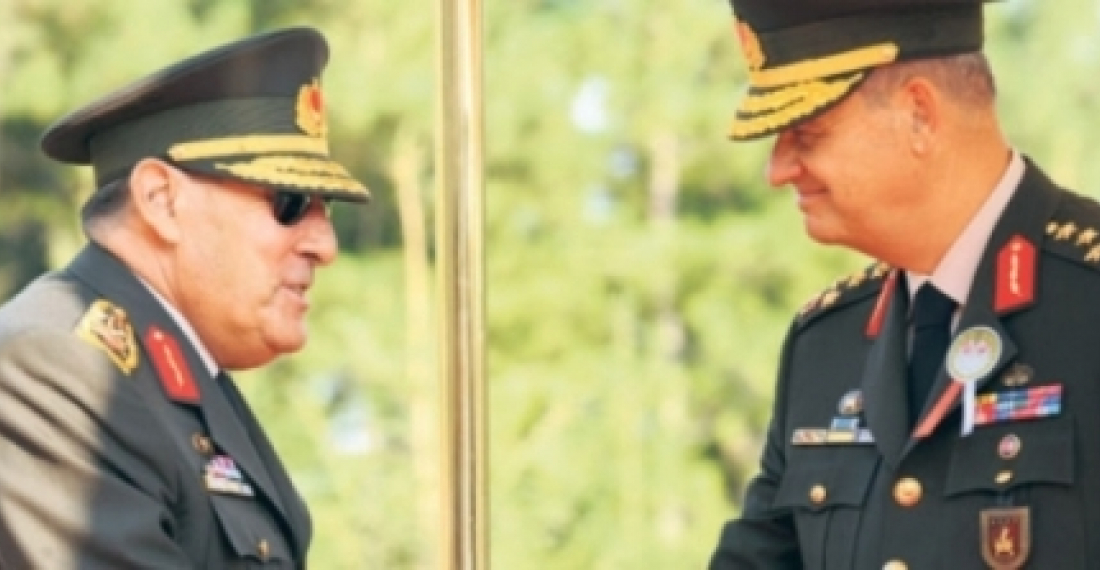
На фотографии:  генералы в отставке Яшар Бююканыт (слева) и Илькер Башбуг, оба - бывшие руководители Вооруженных Сил Турции (снимки любезно предоставлены Today's Zaman)

(c) commonspace.eu

 

Related articles

Editor's choice
News
Women emerge favourite to lead United Nations from next year, after straw-poll of UN Security Council members

Women emerge favourite to lead United Nations from next year, after straw-poll of UN Security Council members

​ Two women have emerged as favourite to lead the United Nations as Secretary-General from 1 January 2027, when the term of the present incumbent, Antonio Gutteres, expires. A straw poll of the members of the UN Security Council, held on Thursday, 30 July showed that of the seven candidates, Rebecca Grynspan of Costa Rica and Carolyn Rodriguez-Birkett of Guyana received ten and nine positive endorsements respectively, by the 15 members UN Security Council Although the poll and its result are supposed to be secret, the result leaked within minutes, and was carried on world media outlets, such as Reuters. The result was as follows   Michelle Bachelet 6 encourage 5  discourage   4 no opinion María Fernanda Espinosa 5 2 8 Rafael Grossi 7 2 6 Rebeca Grynspan 10 1 4 Olara Otunnu 2 5 8 Carolyn Rodrigues-Birkett 9 2 4 Macky Sall 6 7 2   Article 97 of the UN Charter states that the “Secretary-General shall be appointed by the General Assembly upon the recommendation of the Security Council”. Straw polls are informal ballots used to determine the viability of Secretary-General candidates.  The seven current candidates are: Michelle Bachelet Jeria (Chile), who was nominated by Brazil, Chile, and Mexico on 2 February, with Chile withdrawing its nomination on 24 March; María Fernanda Espinosa Garcés (Ecuador), who was nominated by Antigua and Barbuda on 11 May; Rafael Mariano Grossi (Argentina), who was nominated by Argentina on 26 November 2025; Rebeca Grynspan Mayufis (Costa Rica), who was nominated by Costa Rica on 3 March; Olara Otunnu (Uganda), who was nominated by Uganda on 24 July; Carolyn Rodrigues Birkett (Guyana), who was nominated by Guyana on 15 June; and Macky Sall (Senegal), who was nominated by Burundi on 2 March. At Thursday's straw poll, there was no difference between the ballots presented to the five permanent members (P5) and the ten elected members (E10). Council members received one ballot per candidate, containing the candidate’s name followed by three options: “encouraged”, “discouraged”, and “no opinion expressed”.   It is ofcourse early days, and the straw poll is just an informal indication of the mood of the UN Security Council, but the strong showwing by the two womencandidates may be an indication that for the first time, the head of the UN can be a women. (click image to read more) ​

Popular

Editor's choice
Interview
Thursday Interview: Murad Muradov

Thursday Interview: Murad Muradov

Today, commonspace.eu starts a new regular weekly series. THURSDAY INTERVIEW, conducted by Lauri Nikulainen, will host  persons who are thinkers, opinion shapers, and implementors in their countries and spheres. We start the series with an interview with Murad Muradov, a leading person in Azerbaijan's think tank community. He is also the first co-chair of the Action Committee for a new Armenian-Azerbaijani Dialogue. Last September he made history by being the first Azerbaijani civil society activist to visit Armenia after the 44 day war, and the start of the peace process. Speaking about this visit Murad Muradov said: "My experience was largely positive. My negative expectations luckily didn’t play out. The discussions were respectful, the panel format bringing together experts from Armenia, Azerbaijan, and Turkey was particularly valuable during the NATO Rose-Roth Seminar in Yerevan, and media coverage, while varied in tone, remained largely constructive. Some media outlets though attempted to represent me as more of a government mouthpiece than an independent expert, which was totally misleading.  Overall, I see these initiatives as important steps in rebuilding trust and normalising professional engagement. The fact that soon a larger Azerbaijani civil society visits to Armenia followed, reinforces the sense that this process is moving in the right direction." (click the image to read the interview in full)