"ЕС рассматривается в качестве основного партнера в модернизации странами Южного Кавказа" - Ф. Лефорт. Чиновники ЕС вновь заявляют о поддержке мирных инициатив по карабахскому конфликту.

Высшие должностные лица Европейского Союза и члены Европейского парламента подтвердили свою поддержку нагорно-карабахского мирного процесса и выразили готовность к более решительной поддержке этого курса через меры укрепления доверия и усилия в целях содействия примирению.

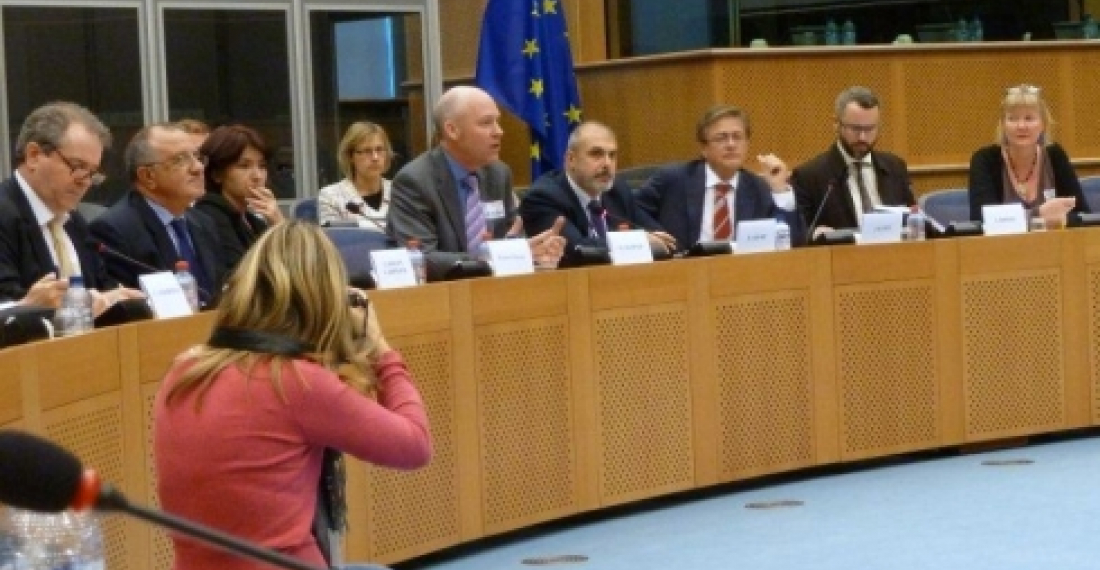
Они выступали на мероприятии в Европейском парламенте в Брюсселе, где были представлены работы европейских организаций гражданского общества, работающих в целях мирного урегулирования карабахского конфликта.

Среди многочисленных гостей были послы Армении и Азербайджана в Европейском Союзе, который приветствовали усилия Европейского Союза и европейского гражданского общества.

В своем вступительном слове, Специальный представитель ЕС на Южном Кавказе, Филипп Лефорт отметил, что Европейский Союз был желанным партнером на Южном Кавказе и воспринимается в качестве основного партнера на пути модернизации во всех трех странах Южного Кавказа. ЕС готова участвовать и положительно откликнуться на требования быть более активным. Посол Лефорт подтвердил поддержку Европейского Союза формата Минского процесса. Он сказал, что стремление к миру в Нагорном Карабахе не только требует политического процесса, но и является одним из принципов примирения между людьми и ЕС готов поделиться своим опытом в этой области.

Говоря на эту же тему Джон Кьяер, начальник отдела Восточного партнерства в Европейской службе внешних операций заявил, что Европейский Союз стремится повысить ценность работы Минской группы и вносит свой вклад в его работу по мерам укрепления доверия и пропагандистской деятельности.
 
Мероприятие в Европейском парламенте было возможностью для европейских организаций гражданского общества, которые являются частью Европейского Партнерство ради мирного урегулирования конфликта вокруг Нагорного Карабаха (EPNK) представить свою деятельность на выставке фотографий и просмотра ряда короткометражных фильмов.

Мероприятие было организовано тремя членами Европейского парламента, Евгением Кириловым, Чарльзом Танноком и Витаутасом Ландсбергисом.


Источник: commonspace.eu

Фото: Европейский парламент
Related articles

Editor's choice
News
The British prime minister says Europe must "stand on its own two feet" when it comes to defence

The British prime minister says Europe must "stand on its own two feet" when it comes to defence

The UK will deploy a carrier strike group, led by the aircraft carrier HMS Prince of Wales to the Arctic and the High North as part of efforts to bolster security against Russian threats. British prime minister, Sir Keir Starmer announced the deployment in a speech on Saturday (14 February) at the Munich Security Conference. Europe must be ready to fight to protect its people, values, and way of life,  Sir Keir told the Conference. Starmer also called for deeper links and cooperation, including economic ties, between the UK and EU. The PM stressed the continent must "stand on its own two feet" when it comes to defence commitments. "We must build our hard power, because that is the currency of the age," he told the conference. (Click image to read the full story).

Popular

Editor's choice
Interview
Thursday Interview: Murad Muradov

Thursday Interview: Murad Muradov

Today, commonspace.eu starts a new regular weekly series. THURSDAY INTERVIEW, conducted by Lauri Nikulainen, will host  persons who are thinkers, opinion shapers, and implementors in their countries and spheres. We start the series with an interview with Murad Muradov, a leading person in Azerbaijan's think tank community. He is also the first co-chair of the Action Committee for a new Armenian-Azerbaijani Dialogue. Last September he made history by being the first Azerbaijani civil society activist to visit Armenia after the 44 day war, and the start of the peace process. Speaking about this visit Murad Muradov said: "My experience was largely positive. My negative expectations luckily didn’t play out. The discussions were respectful, the panel format bringing together experts from Armenia, Azerbaijan, and Turkey was particularly valuable during the NATO Rose-Roth Seminar in Yerevan, and media coverage, while varied in tone, remained largely constructive. Some media outlets though attempted to represent me as more of a government mouthpiece than an independent expert, which was totally misleading.  Overall, I see these initiatives as important steps in rebuilding trust and normalising professional engagement. The fact that soon a larger Azerbaijani civil society visits to Armenia followed, reinforces the sense that this process is moving in the right direction." (click the image to read the interview in full)