


Демократия побеждает в Европе: победа была за демократическими процессами, выбив действующие власти из игры путём голосования.
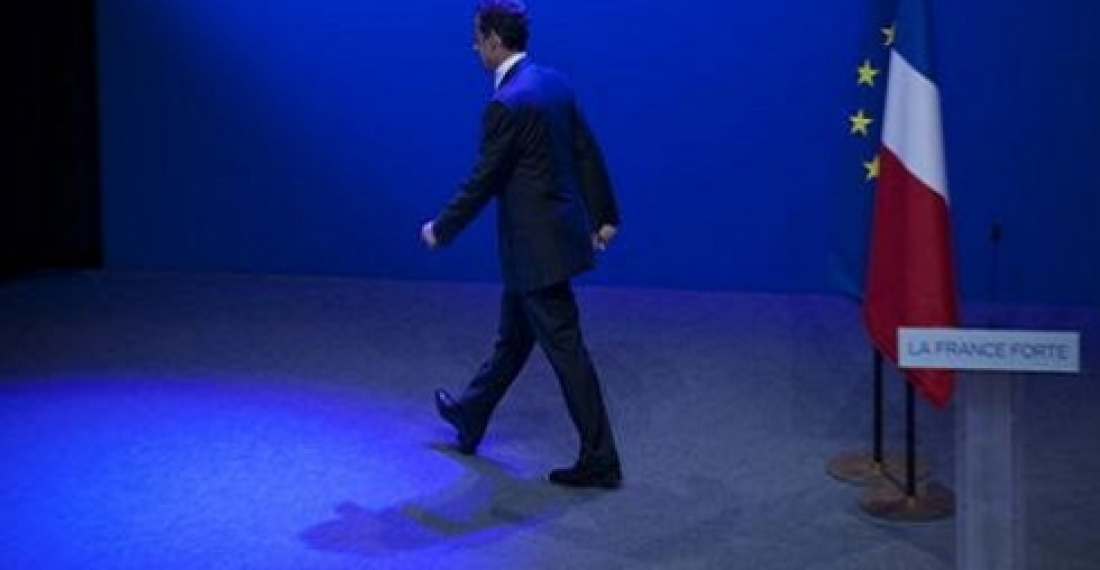

Независимо от результата, нет никаких сомнений, что выборы, проведенные вчера в двух странах Европейского Союза - Франция и Греция, была в первую очередь победой демократического процесса. У обеих стран имеется в своей современной политической истории темные страницы. Но вчерашний день был примером того, как политики, независимо от того, насколько они сильны и важны, должны склонять голову перед волей народа.

Во Франции, одна из стран тяжеловесов Европы, яркий президент Николя Саркози потерпел поражение от своего противника социалиста Франсуа Холланда. Ставки на выборах были очень высоки. Кандидаты проводили кампанию по разным программам в отношении нынешнего экономического кризиса в Европе. Саркози призывал поддержать программу жесткой экономии, Холланд же предлагал поддержать программу развития. Французы дали четкий мандат Холланду. В течение нескольких минут после того, как были объявлены результаты Саркози признал поражение, и любезно поклонился с французской политической сцены - в одно мгновение превратившись из одного самого важного лидера в мире в простого гражданина.

В Греции, две партии, которые доминировали на греческой политической сцене с 1960 года - ПАСОК и Новая Демократия были унижены избирателями, которые отказались от них в массовом порядке. Это может означать больше проблем для Европы и Греции в краткосрочной перспективе, т.к. новой политической системе потребуется время, чтобы консолидироваться, но это воля народа и её нужно уважать.

Европа продолжает демонстрировать, что демократия работает, и является лучшей политической моделью.

Источник: commonspace.eu

Фото: Николаз Саркози, покидая политическую сцену Франции, после того, как вчера уступил на выборах Франсуа Холланду (фото любезно предоставлено Le Monde)

Related articles

Editor's choice
News
Council of Europe launches new International Claims Commission for Ukraine

Council of Europe launches new International Claims Commission for Ukraine

Thirty-four countries and the European Union have signed a new convention establishing an International Claims Commission for Ukraine at a diplomatic conference co-hosted by the 46-nation Council of Europe and the Netherlands in the Hague. The diplomatic conference was attended by leaders and high-level representatives from over 50 states, including the President of Ukraine, Volodymyr Zelenskyy, the President of the Republic of Moldova, Maia Sandu, and the Prime Minister of the Netherlands, Dick Schoof.  “Today marks a major step forward in ensuring accountability for Ukraine. The International Claims Commission represents justice and hope for tens of thousands of victims—our determination that those who have suffered will not be forgotten. I call for quick ratifications so we can get the commission rapidly up and running for the people of Ukraine,” said Council of Europe Secretary General Alain Berset. Ukrainian President Volodymyr Zelenskyy said: “We expect that every mechanism for compensation from the Register of Damage and Claims Commission to the actual payments – will start working and receive strong and sufficient international support, so that people can truly feel that any kind of damage caused by the war can be compensated. This war, and Russia’s responsibility for it, MUST become a clear example – so that others learn not to choose aggression.” “Accountability is about creating the conditions for peace that endures. And therefore, accountability is a condition of security – today and for the future. But accountability is not only about Ukraine. And it is not only about one aggressor and one victim. Accountability is about Europe. About every country in Europe. It is about whether Europe, as a whole, is willing to defend its peace,” said Maia Sandu, President of the Republic of Moldova, which currently holds the Presidency of the Council of Europe’s Committee of Ministers. The Prime Minister of the Netherlands, Dick Schoof, said: “Every day Russia is deliberately bombarding homes, destroying businesses and damaging infrastructure in Ukraine. Russia must compensate Ukraine for the damage caused. That is why we have launched the International Claims Commission for Ukraine and we are honoured to host it.” The International Claims Commission will be the second part of a comprehensive compensation mechanism related to Russia’s war of aggression, building on the existing Register of Damage for Ukraine. The claims commission will be established within the framework of the Council of Europe and will also be open to other countries. The Register of Damage for Ukraine, created in 2023, collects and records compensation claims submitted by individuals, organisations and public bodies in Ukraine. Forty-four states and the European Union have so far joined the Register, which has already received 86,000 claims. The International Claims Commission will review, assess and decide upon claims submitted to the Register of Damage for Ukraine and determine the amount of compensation, if any, which is due in each case. The convention establishing the commission will enter into force once it has been ratified by 25 signatories, as long as sufficient funds have been secured to support its initial work.

Popular


